Why Choose a 22kw DC EV Charger for Faster Charging Solutions?
As the demand for electric vehicles (EVs) surges, the need for efficient charging solutions becomes more critical. A prominent industry expert, Dr. Sarah Thompson, states, "A 22kw DC EV Charger drastically reduces waiting times for electric vehicle owners." This highlights the importance of adopting advanced charging technologies.
The 22kw DC EV Charger stands out in the market due to its rapid power delivery capabilities. It allows EVs to charge significantly faster than traditional chargers. With a growing number of electric vehicles on the road, accessing quick charging stations becomes essential for convenience. However, many users are still hesitant about transitioning to these chargers.
Despite the advantages, some challenges remain. The installation of a 22kw DC EV Charger can be costly, and not all locations are equipped to handle the necessary infrastructure. Additionally, users might worry about the compatibility of their vehicles. Embracing this technology requires addressing these concerns while leveraging its benefits for hassle-free EV ownership.
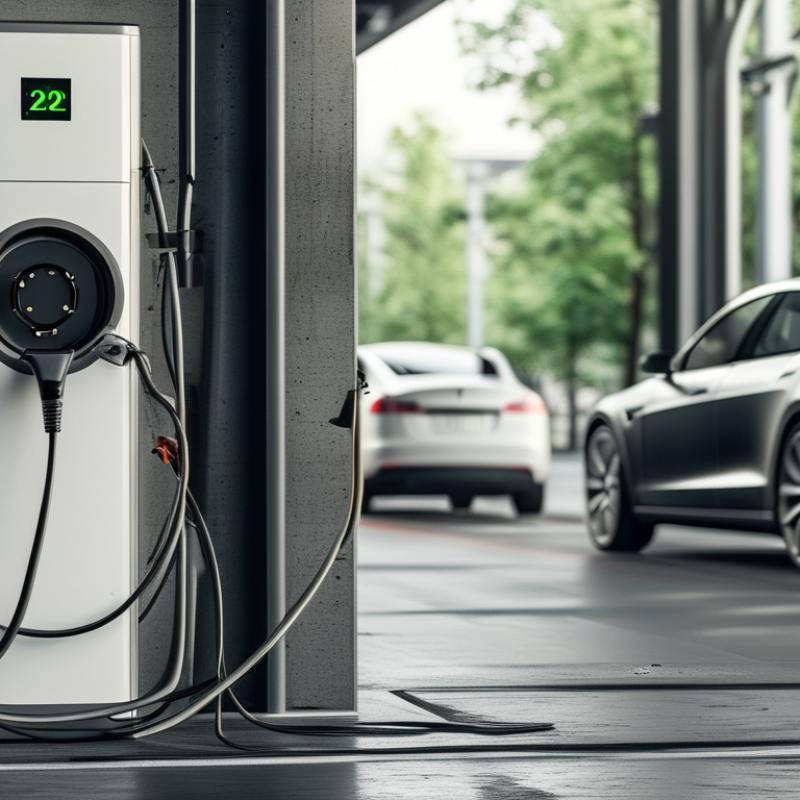
Benefits of 22kW DC EV Chargers for Electric Vehicles
When considering faster charging solutions for electric vehicles, 22kW DC chargers stand out. Their advanced technology significantly reduces charging time, making them ideal for busy locations. With a charging capacity of 22kW, these chargers can deliver a rapid charge to most EVs within an hour, vastly improving efficiency. This speed is particularly beneficial for commercial fleets or high-traffic areas, where every minute counts.
These chargers also provide a higher power output, allowing multiple vehicles to charge simultaneously. This means less waiting time and more satisfied customers. Many drivers appreciate the convenience of a quick top-up during errands or while shopping. The increasing network of 22kW DC chargers enhances overall accessibility, making electric vehicles more user-friendly.
Tips: Ensure your EV is compatible with 22kW DC chargers. Check local installation requirements for electrical capacity. Regular maintenance of chargers is essential for optimal performance and longevity. Remember, it’s vital to monitor usage patterns. Not all locations may need rapid chargers, depending on traffic flow and demand. Evaluating actual needs can lead to better planning and resource allocation.
Comparison of Charging Speeds: AC vs. DC Electric Vehicle Chargers
When considering electric vehicle (EV) chargers, understanding the differences between AC and DC charging is crucial. AC chargers typically provide slower charging speeds, averaging around 7.2 kW to 22 kW. In contrast, DC chargers, like the 22 kW option, offer significantly faster charging capabilities, often exceeding 50 kW. According to the U.S. Department of Energy, DC fast chargers can recharge an EV to 80% in just 30 minutes, making them ideal for busy drivers.
Charging speeds affect the convenience of EV ownership. A recent report from the International Energy Agency highlights that faster chargers are essential for encouraging EV adoption. In urban areas, DC chargers can serve multiple vehicles within a short time frame, increasing overall efficiency. However, the infrastructure for DC chargers is still developing, and installation costs can be high. This creates a dilemma for many businesses considering whether to invest in faster charging technology.
While 22 kW DC chargers have clear benefits, they also come with challenges. Compatibility with various EV models can vary, leading to potential frustration for users. Additionally, the opportunity for grid overload during peak usage hours poses another concern. Balancing these factors is critical for future electric mobility. Investing in charging technology should reflect not only speed but also the overall user experience and sustainable practices in energy consumption.
Key Features to Consider When Choosing a 22kW DC Charger
A 22kW DC EV charger provides a compelling solution for fast charging needs. When selecting a charger, power output is crucial. A 22kW charger can deliver up to 100 kilometers of range in just 30 minutes, offering a significant time advantage for EV users. This feature is particularly valuable in commercial settings, where minimizing downtime translates to business efficiency.
Consider connectivity options. A reliable charger should support various communication protocols, ensuring compatibility with different vehicles. According to industry reports, 85% of EV users prefer chargers that integrate easily with mobile applications. This capability enhances user experience through real-time monitoring and scheduling options.
Another key feature is safety certifications. Ensure the charger complies with international safety standards. This reduces risks associated with electrical faults. Statistics show that improperly certified chargers can double the likelihood of incidents. While speed and compatibility are essential, safety must never be compromised. Balancing these factors can be tricky and require careful thought, but they are vital for optimal performance.
Impact of 22kW DC Chargers on EV Infrastructure Development
The rise of electric vehicles (EVs) necessitates efficient charging infrastructure. A 22kW DC EV charger serves as an ideal solution, significantly impacting EV infrastructure development. According to the International Energy Agency, the number of electric cars on the road surpassed 10 million in 2020 and continues to grow. This growth raises the question: Can current charging infrastructure keep up?
A 22kW DC charger can deliver a rapid charge, cutting downtime for EV owners. In urban environments, where space is limited, the swift charging capability can encourage more drivers to switch to electric. Reports suggest that faster charging solutions can increase EV adoption rates by up to 20%. This is crucial as cities strive to meet emissions reduction targets. However, the deployment of such chargers requires careful planning and investment in grid capacity.
Despite these advancements, challenges remain. Implementation costs can be high, and existing power grids may need upgrades. Some regions face resistance from stakeholders unfamiliar with DC charging technology. Moreover, varying regulations can complicate installation. Balancing these factors is essential for a cohesive EV ecosystem. Recognizing these hurdles will enable more effective integration of 22kW DC chargers into the broader EV landscape.
The Cost-Effectiveness of 22kW DC Charging Solutions for Users
As electric vehicles (EVs) gain popularity, charging infrastructure must keep pace. A 22kW DC EV charger stands out for its efficiency and cost-effectiveness. These chargers provide faster charging compared to AC alternatives, crucial for users with limited time. The ability to charge a vehicle significantly faster means fewer downtime opportunities.
The upfront cost of a 22kW DC charger may seem higher. However, its long-term savings outweigh this initial investment. Businesses can serve more customers, maximizing profits. Users can benefit from reduced energy costs due to faster power delivery. Over time, this solution proves financially attractive, making it a smart choice for many.
While the benefits are clear, challenges exist. Infrastructure upgrades may be necessary. Not all locations can accommodate the power demands. Users must assess their specific needs and capabilities. Understanding these factors is essential before making a decision.
Benefits of 22 kW DC EV Chargers Compared to Other Charging Solutions
This bar chart illustrates the charging times of various electric vehicle charging solutions, highlighting the efficiency of the 22 kW DC charger which significantly reduces the charging time compared to standard AC charging methods and wall outlets.


 Phone
Phone Send Email
 whatsapp
 Facebook
 Youtube