22kw Dc Ev Charger Tips for Efficient Charging and Optimal Performance
In the rapidly evolving world of electric vehicles, the 22kw DC Ev Charger has emerged as a vital tool for efficient and speedy charging. Industry expert Emily Johnson, a well-respected figure in the EV infrastructure sector, once remarked, “Optimizing the charging process is key to enhancing EV adoption.” Her insights are not just words; they embody the necessity of understanding how to utilize these chargers effectively.
To maximize the advantages of a 22kw DC Ev Charger, it's essential to pay attention to specific factors. These include the charger's installation environment, regular maintenance, and the compatibility with various EV models. However, many users overlook these aspects, leading to suboptimal charging performance. A simple oversight, like using an incompatible connector, can hinder efficiency. Proper understanding of the charger settings and features is crucial.
Moreover, users often need to reflect on their charging habits. Are you charging during peak hours? Are you aware of software updates? These small changes can drastically improve performance. Embracing a proactive approach will ensure that the 22kw DC Ev Charger meets your EV charging needs effectively. The focus should not solely be on technology but also on how we adapt to utilizing it.
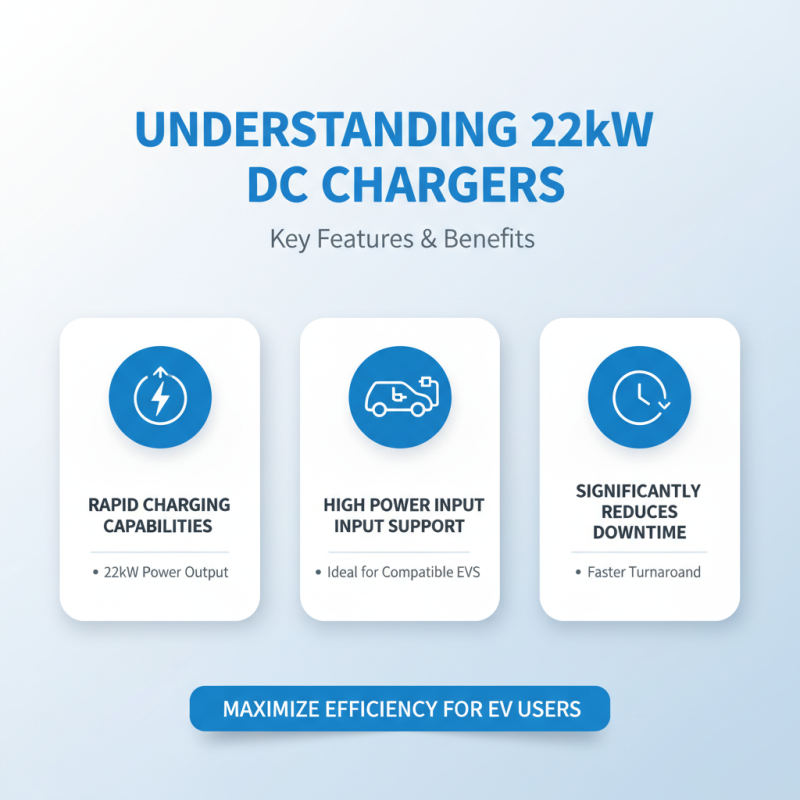
Understanding 22kW DC EV Chargers: Key Features and Benefits
Understanding 22kW DC EV chargers is essential for maximizing efficiency. These chargers provide rapid charging capabilities. They are designed to support electric vehicles that require higher power input. With a charging rate of 22kW, they can significantly reduce downtime for EV users.
One key feature of a 22kW DC EV charger is its high output. It allows for faster charging compared to standard AC chargers. When using this type of charger, drivers can enjoy a quick top-up during breaks. However, remember that not all EVs can utilize this power. Always check your vehicle's compatibility.
Here are some tips for efficient charging. Ensure a clean and dry charging port. This avoids connection issues. Regularly check the charger’s firmware. Updates can improve performance. And always monitor charging sessions for errors. Noticing inconsistencies early can prevent future problems. These small steps can lead to a more reliable charging experience.
Factors Affecting Charging Efficiency in 22kW DC EV Chargers
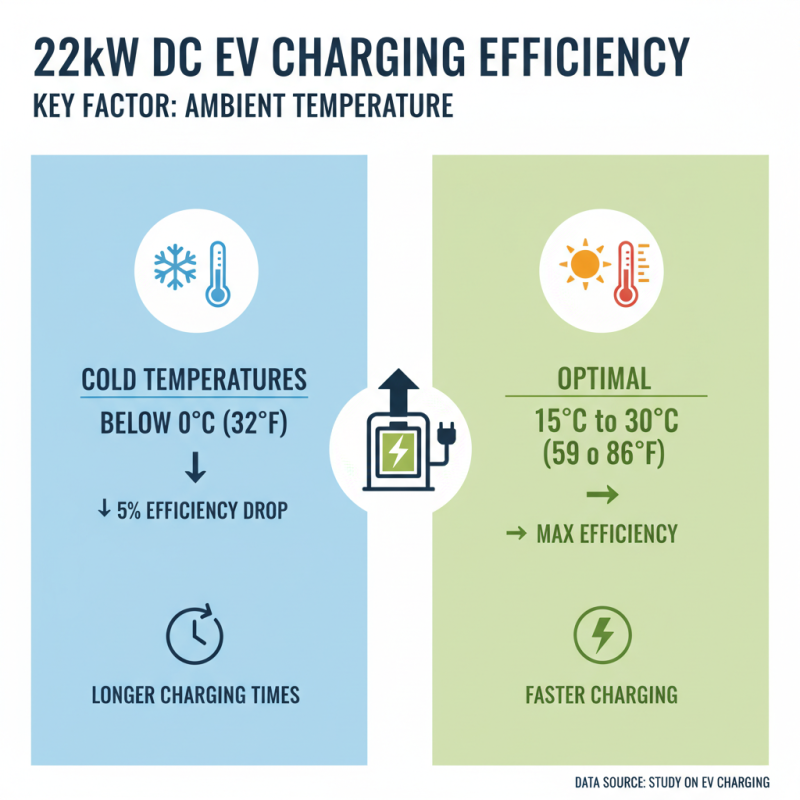
Charging efficiency in 22kW DC EV chargers is influenced by several key factors. One significant factor is the ambient temperature. Optimal charging typically occurs between 15°C and 30°C. Temperatures outside this range can lead to decreased efficiency. For instance, a study shows that charging efficiency drops by about 5% at temperatures below 0°C. This drop can result in longer wait times for drivers.
Another critical factor is the state of the battery. The battery's state of charge (SoC) significantly impacts how efficiently it can absorb power. When the SoC is low, the charger operates at peak efficiency. However, as the battery approaches full charge, the charging current decreases. This effect can slow down charging by 15% or more when nearing completion. Regular maintenance of the charger and the battery can mitigate these efficiency losses.
Lastly, the quality of the charging infrastructure matters. Reliable connections and updated technology improve conversion rates. A study by the International Energy Agency indicates that up to 30% of energy can be lost due to outdated connectors or cables. Ensuring that equipment is well-maintained can dramatically improve overall performance. Reflecting on these factors can help users maximize their charging experience.
Best Practices for Optimal Performance of 22kW DC EV Chargers
When it comes to the efficient use of 22kW DC EV chargers, following best practices can greatly enhance performance. A recent report from the International Energy Agency (IEA) highlights that optimal charging conditions can improve energy conversion efficiency by up to 20%. This means understanding your charging environment is crucial. For instance, keeping the charger cool and free of dust can help maintain its effectiveness. Regularly monitoring the charger’s operating temperature and using ventilation systems can prevent overheating.
Charging time can vary significantly based on numerous factors, such as the vehicle's battery capacity and state of charge. Data from the Electric Vehicle World Congress indicates that utilizing the charger during off-peak hours can maximize efficiency. This not only reduces the strain on the grid but also ensures that your charger operates at peak performance. Also, optimizing the cable length can minimize energy loss during the charging process, further enhancing efficiency.
It's essential not to overlook maintenance. A study from the U.S. Department of Energy suggests that routine inspections can extend charger lifespan by identifying issues early. While many users assume less maintenance is needed, many chargers experience degradation over time. Investing time in regular check-ups can save costs and boost reliability. Prioritizing these practices helps maintain a high-performance environment for your 22kW DC EV charger.
22kW DC EV Charger Tips for Efficient Charging and Optimal Performance
| Tip |
Description |
Frequency |
Expected Benefit |
| Regular Maintenance |
Conduct routine checks for wear and tear |
Every 6 Months |
Ensures reliable performance |
| Optimal Installation Location |
Choose a location with minimal obstructions |
Once |
Maximizes accessibility |
| Load Management |
Implement smart charging to balance loads |
Ongoing |
Improves grid efficiency |
| User Training |
Educate users on proper usage |
Annually |
Reduces misuse |
| Firmware Updates |
Keep software up-to-date for better performance |
Quarterly |
Enhances security and features |
Maintenance Tips for Long-lasting 22kW DC EV Chargers
Maintaining a 22kW DC EV charger is vital for its longevity and performance. Regularly inspecting the unit for wear can prevent costly repairs. According to industry data, chargers can lose up to 15% efficiency without proper upkeep. Checking cables and connectors prevents voltage drops. Loose connections may lead to overheating or failure.
Cleaning the charger is essential. Dust and debris can accumulate, causing overheating. Reports indicate that chargers operating in dusty environments should be cleaned monthly. Additionally, ensure that the software is updated. Firmware updates can enhance functionality and security features. Ignoring updates may expose the system to vulnerabilities.
Monitoring charging cycles contributes to optimal performance. Industry standards suggest limiting charging cycles to extend battery life. Overuse can lead to decreased efficiency, impacting the overall charging ecosystem. Adopting a proactive maintenance schedule is crucial for maximizing the life and performance of EV chargers. Regular assessments can prevent small issues from becoming larger problems.
Safety Considerations When Using 22kW DC EV Chargers
When using a 22kW DC EV charger, safety is paramount. High charging speeds can generate heat.
Ensure the charger is properly ventilated to prevent overheating. Check for any signs of wear on cables and connections.
Damaged parts can pose serious risks.
Regular inspections help maintain safety during use.
It’s essential to monitor the charging environment. Avoid using the charger in wet conditions.
Water and electricity can be a dangerous combination.
Grounding and proper installation is crucial. If unsure, consult a professional to assess your setup.
Your safety should never be compromised for speed.
Understanding the limits of your vehicle’s charging capabilities also matters.
Overloading can damage the battery or the charger.
Stay informed about your EV and its requirements.
Knowledge helps you make smarter choices while charging.
Regular training and resources are beneficial. Stay updated on safety practices as technology evolves.



 Phone
 Send Email
 whatsapp
 Facebook
 Youtube