Top 10 Benefits of 22kw DC EV Charger for Global Buyers?
In the evolving landscape of electric vehicles (EVs), the 22kw DC EV charger stands out for its significant benefits. As global buyers increasingly shift towards greener alternatives, understanding the advantages of this technology becomes essential. This charger not only allows for faster charging times but also enhances the overall efficiency of EV operations.
Rapid charging is a game-changer for users and businesses alike. The 22kw DC EV charger can reduce downtime, making it a preferred choice for fleet operators. This charger is designed to accommodate various EV models, improving accessibility for all users. Moreover, the high power output can minimize the grid's strain during peak hours, a pressing concern for urban areas.
However, potential buyers should reflect on their specific needs. While the 22kw DC EV charger offers many advantages, considerations like installation costs and location are crucial. Exploring these aspects allows buyers to make informed decisions, ultimately benefiting their investment in the growing EV market.
Understanding the 22kw DC EV Charger: Key Features and Specifications
The 22kw DC EV Charger is making waves in the electric vehicle market. It stands out due to its rapid charging capabilities. This model can recharge most EVs within an hour, enhancing user convenience. High power output is a key feature, enabling multiple vehicles to charge simultaneously in busy areas. The compact design allows easy installation in various locations, from parking lots to shopping centers.
Beyond speed, the charger is equipped with advanced safety features. Overcharge protection and automatic cut-off help prevent battery damage. User-friendly interfaces make it accessible for all. Compatibility with different vehicle brands is another advantage. Yet, the high initial investment can be a hurdle for some buyers. Maintenance costs may also accumulate over time, which is worth considering.
Quality matters when selecting a charger. Opting for reliable specifications ensures long-term performance. A detailed user guide can aid in understanding complex features. However, potential buyers should research thoroughly. Each location may have unique power requirements and regulations. Balancing features against costs may present challenges. Evaluating whether the benefits align with specific needs is essential for informed decision-making.
Rapid Charging Capabilities: Advantages for Electric Vehicle Owners
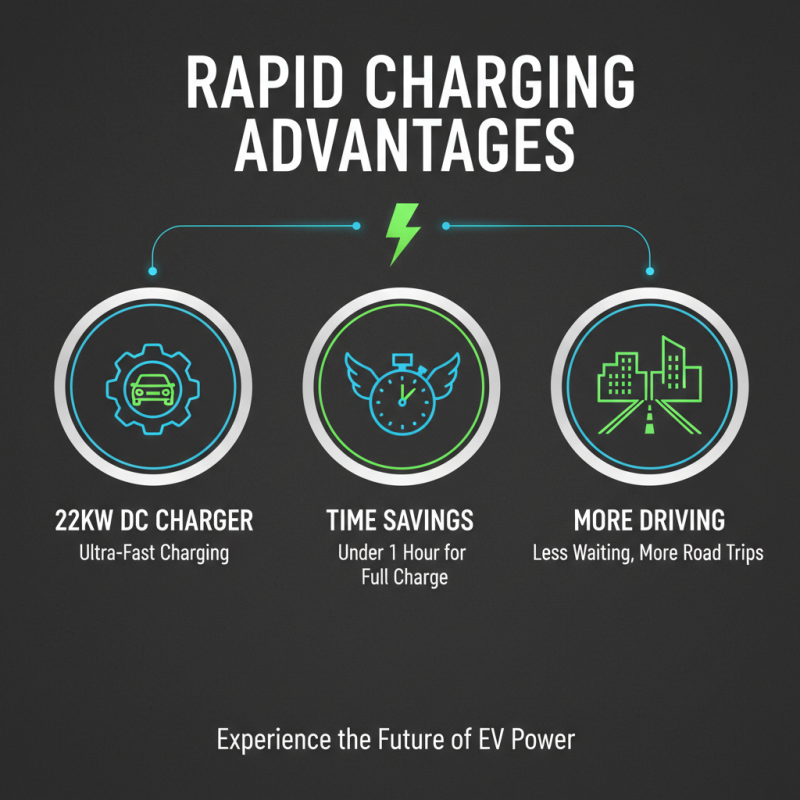
The rise of electric vehicles (EVs) has accelerated the need for efficient charging solutions. A 22kW DC EV charger offers rapid charging capabilities, making it an appealing choice for EV owners. This type of charger can significantly reduce charging time, allowing drivers to hit the road faster. With charging speeds that can replenish a battery in under an hour, long waits become a thing of the past.
The user experience with 22kW DC chargers is generally more convenient. Fast charging stations can be found in strategic locations, such as shopping centers and highways. Drivers can quickly charge while running errands or taking a break on a long journey. However, availability still varies, and some regions may lag in infrastructure. This presents challenges for adoption and may require planning around charging stops.
Moreover, rapid charging is not without its drawbacks. Some charging stations may decrease in power output as they approach full capacity. This can lead to longer-than-expected wait times. Drivers should also consider the wear on battery health over repeated use of fast charging. Understanding these nuances can help users make informed decisions. A balance between rapid charging and battery longevity is essential for a successful EV experience.
Cost-Effectiveness of 22kw DC Chargers for Businesses and Consumers
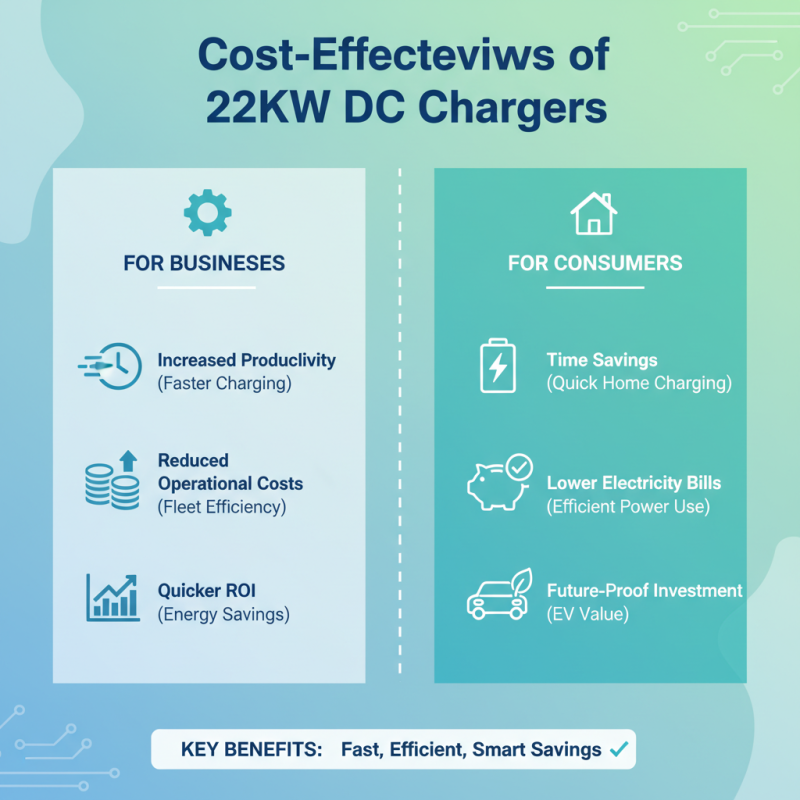
The cost-effectiveness of 22kw DC EV chargers is significant for businesses and consumers alike. These chargers provide fast, efficient power, reducing the time electric vehicles spend charging. This advantage translates to increased productivity, especially for businesses relying on a fleet of EVs. Moreover, the upfront investment in a 22kw DC charger often pays off within a few years due to savings on electricity costs and reduced downtime.
On the consumer side, 22kw DC chargers enable quicker access to charging stations. This convenience can lead to higher customer satisfaction. Additionally, they are suitable for locations with high traffic, ensuring minimal wait times. However, the initial installation can be costly. Businesses must weigh potential returns against installation expenses.
In a rapidly changing market, these chargers cater to an evolving landscape of electric vehicle adoption. While their advantages are clear, challenges may arise. Integration with existing infrastructure and ongoing maintenance can affect overall affordability. Balancing these factors is crucial for maximizing the benefits of 22kw DC chargers.
Global Market Trends: The Rising Demand for Fast Charging Solutions
The global market for electric vehicles (EVs) is experiencing explosive growth. This surge is driving demand for fast charging solutions like the 22kw DC EV charger. Many buyers are eager for efficient options that support quicker charging times. This need is evident in urban areas, where charging speed can significantly reduce downtime for drivers.
Fast charging stations are becoming critical infrastructure as more consumers transition to EVs. Fast chargers can replenish battery capacities in a short amount of time. This trend is boosting the overall appeal of electric vehicles. However, the installation of such chargers can be complex and costly. Communities must consider factors such as accessibility and user experience. Collaboration among stakeholders is necessary but can be challenging to achieve.
Furthermore, buyers are increasingly aware of environmental impacts. They seek products that align with sustainability goals. However, supporting this market requires ongoing development and innovation. As technologies evolve, products must continually improve to meet buyer expectations. It's essential for manufacturers to address these challenges. Balancing speed, cost, and environmental stewardship remains a crucial focus.
Environmental Impact: How 22kw DC Chargers Support Sustainability Goals
The environmental impact of 22kW DC EV chargers is significant. These chargers support sustainability goals by reducing carbon emissions and promoting clean energy use. A report from the International Energy Agency (IEA) indicates that electric vehicles (EVs) could reduce global CO2 emissions by 1.5 gigatons annually by 2030. With the rise in charging infrastructure, users are more likely to transition to electric vehicles.
22kW DC chargers facilitate faster charging times, enabling EVs to be charged during short breaks. This efficiency encourages more people to choose electric vehicles, thus decreasing reliance on fossil fuels. According to a study by the World Economic Forum, enhancing EV charging networks could potentially reduce urban air pollution by up to 30%.
Tips: Consider installing 22kW DC chargers in strategic locations. This will maximize accessibility and promote usage. Also, monitor the energy sources of the charging stations. Using renewable energy can amplify the environmental benefits. Remember, while these chargers are effective, the transition to a sustainable future requires collective effort and continuous improvement. Evaluate the impact regularly and adapt to emerging technologies in the charging landscape.
Top 10 Benefits of 22kw DC EV Charger for Global Buyers
The bar chart above illustrates the top 10 benefits of 22kw DC EV chargers for global buyers, highlighting their significant impact on sustainability goals and overall user experience. Each benefit is rated on an impact scale of 1 to 10, showcasing the importance of these chargers in the current EV landscape.


 Phone
 Send Email
 whatsapp
 Facebook
 Youtube