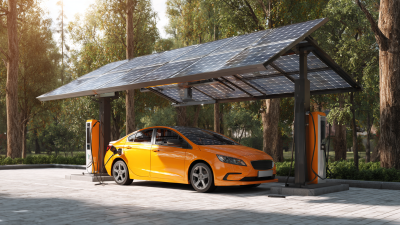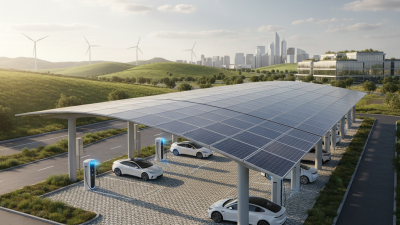
The rise of Solar Powered EV Charging Stations marks a pivotal shift in sustainable transportation. Experts like Dr. Emily Carter, a leader in renewable energy innovations, emphasize, “Harnessing solar energy for EVs is a game-changer.” This powerful statement underscores the potential of integrating clean energy with electric vehicle infrastructure.
Solar Powered EV Charging Stations provide a multitude of benefits. They reduce carbon footprints significantly while offering a sustainable energy source. This technology can help lower electricity costs for users and promote energy independence. Many communities are transforming unused spaces into charging hubs, which benefits local economies.
However, we still face challenges. Initial installation costs can detour potential investments. Not every location receives optimal sunlight, limiting effectiveness. There is a need for ongoing research and adaptation in this evolving industry. By addressing these imperfections and exploring innovative solutions, we can ensure a robust future for Solar Powered EV Charging Stations.
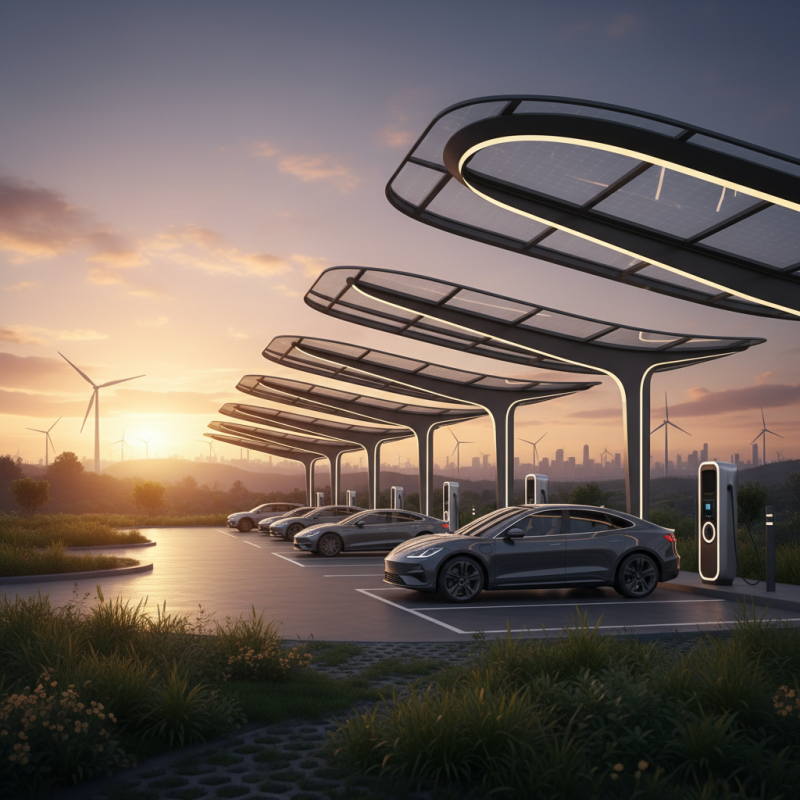
Solar-powered EV charging stations offer significant environmental benefits. They harness clean, renewable energy from the sun. This reduces the reliance on fossil fuels. Every solar station can produce energy without generating harmful emissions. This helps in the fight against climate change. Fewer greenhouse gases mean a healthier planet.
Installing these stations can create green spaces. Solar panels can be integrated into urban designs. They can shade parking lots while generating energy. These installations not only charge vehicles but also beautify areas. Local ecosystems can benefit from reduced pollution levels. However, the initial costs and space requirements can pose challenges.
As communities adopt solar charging stations, awareness increases. People start to understand the importance of sustainable practices. With increased usage, the technology may expand. Yet, it's essential to consider energy storage for night use. The push for solar energy must balance with practicality. Not every location receives ample sunlight year-round. This presents room for improvement and innovation.
| Benefit | Description | Environmental Impact |
|---|---|---|
| Renewable Energy Source | Solar powered charging stations utilize the sun's energy, reducing reliance on fossil fuels. | Lowers greenhouse gas emissions contributing to cleaner air. |
| Cost Savings | Lower electricity costs over time and potential savings from subsidies. | Reduces overall carbon footprint by minimizing traditional electricity use. |
| Increased Accessibility | Encourages the use of electric vehicles by providing more charging options. | Supports the transition to electric vehicles, aiding in pollution reduction. |
| Grid Independence | Less strain on local grids, especially during peak demand. | Decreases reliance on non-renewable energy sources. |
| Low Maintenance | Solar panels require minimal maintenance, leading to fewer resource expenditures. | Less waste generated from maintenance and replacement activities. |
| Job Creation | Installation and maintenance of solar charging stations create new jobs. | Stimulates local economies and strengthens green job markets. |
| Enhanced Property Values | Properties with EV charging stations are often more attractive to buyers. | Encourages sustainable living practices in neighborhoods. |
| Energy Storage Options | Solar charging stations can be paired with energy storage systems for better efficiency. | Helps balance supply and demand for electricity sustainably. |
| Innovation and Technology Advancement | Promotes advancements in solar technology and EV infrastructure. | Encourages a shift toward smarter, cleaner energy systems. |
| Community Engagement | Involves local communities in sustainability initiatives. | Fosters environmental consciousness and collective action towards sustainability. |
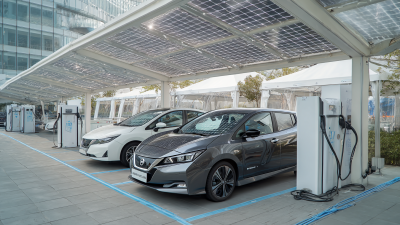
Solar-powered EV charging stations offer significant cost savings for both individuals and businesses. By utilizing solar energy, users can reduce or eliminate electricity costs. This energy source is free after installation. Over time, the initial investment in solar panels can pay off, making charging much cheaper.
Businesses can attract more customers by offering solar EV charging. This eco-friendly approach can enhance their brand image while also lowering operational costs. The savings on electricity bills can be redirected towards other improvements. However, the initial setup might feel overwhelming for some businesses. It requires careful planning and research.
**Tip:** Consider partnering with local solar providers for installation. They can offer competitive rates and maintenance services.
Homeowners can also benefit significantly from solar-powered EV charging. Imagine charging your vehicle using sunlight. It reduces reliance on traditional energy sources. However, not all homes are suited for solar panels. Assessing your roof's exposure is critical.
**Tip:** Check for any local incentives or rebates on solar installation. This can make the investment much more appealing.
Solar-powered EV charging stations present a great opportunity for enhancing energy independence. By utilizing the sun's energy, these stations reduce reliance on conventional energy sources. This shift not only lowers utility costs but also contributes to a more sustainable future. Imagine charging electric vehicles while enjoying clean, renewable energy.
However, installation can be tricky. Check local regulations before setting up a solar station. Not all areas have the same regulations on installations. It's crucial to ensure everything is compliant. Also, consider the initial investment. While long-term savings are evident, upfront costs can be a barrier.
Maximize your solar investment by choosing efficient solar panels. They capture more sunlight, even on cloudy days. Consider integrating battery storage. This allows energy to be stored for nighttime charging. It enhances energy efficiency and can provide power during outages. A backup power source could be invaluable if the grid goes down. These practical approaches will boost your energy independence while charging your vehicle sustainably.
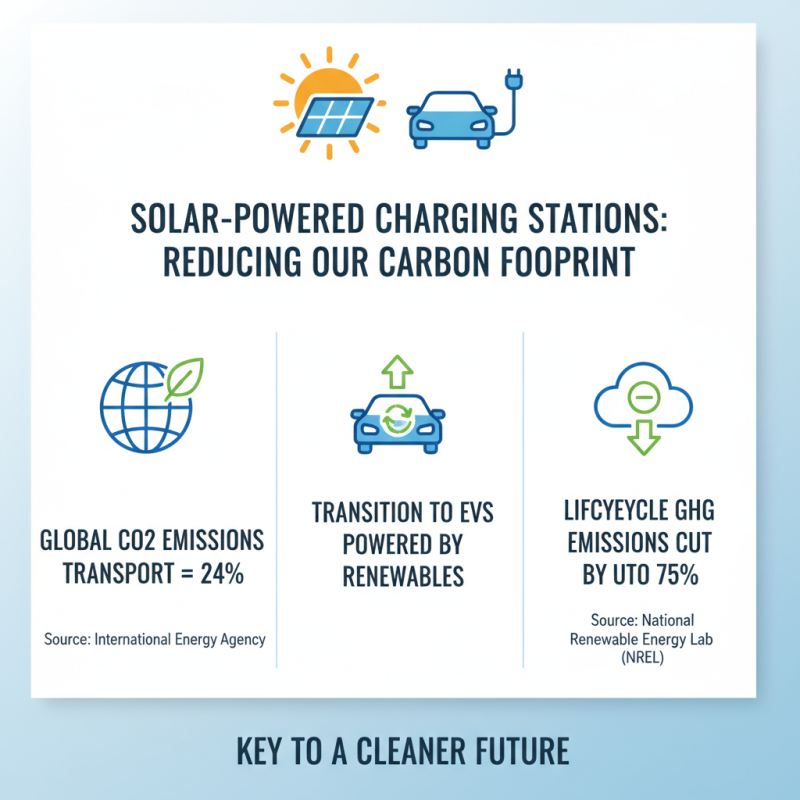
Solar-powered charging stations are vital in reducing our carbon footprint. According to the International Energy Agency, transportation accounts for approximately 24% of global CO2 emissions. Transitioning to electric vehicles (EVs) powered by renewable sources significantly decreases these emissions. A study by the National Renewable Energy Laboratory indicates that solar-powered EV charging can cut lifecycle greenhouse gas emissions by up to 75%.
These charging stations offer sustainable energy solutions that not only power vehicles but also align with local grid demands. They utilize solar panels to harness sunlight, converting it into clean electricity. A single station can reduce annual carbon emissions by over 2,000 pounds. This not only benefits the environment but also enhances access to green energy. However, the availability of solar charging infrastructure remains uneven, raising concerns about accessibility and equity in energy distribution.
Moreover, integrating solar technology into EV charging can be costly. Some communities may struggle to justify the initial investment. Still, as solar technology improves and becomes more affordable, the long-term benefits can outweigh the upfront costs. Challenges like energy storage and supply-demand mismatches require attention. The goal is to create a robust network of charging stations that are truly sustainable, supporting a wider adoption of EVs for a cleaner future.
The future of solar-powered EV charging technology is bright yet complex. Recent studies suggest that these systems can reduce carbon emissions by 70% compared to conventional charging methods. However, challenges remain. A reliable grid connection is still essential for backup during cloudy days. That reliance may limit the system's autonomy.
The advances in solar technology are promising. Researchers report that the efficiency of solar panels is increasing, with some reaching over 22% efficiency. This improvement means that charging stations can generate more power in less space. Nonetheless, many facilities still face high installation costs, which can deter investment. Local incentives and subsidies play a crucial role here, but they vary widely by region.
Battery storage technology is also evolving. New lithium-ion batteries can store and release energy more efficiently. Reports indicate that these systems can improve energy resilience for EV users. However, the lifespan of batteries remains a concern. Early models showed significant capacity loss after just a few years. Continuous research is necessary to ensure these technologies are sustainable and can meet growing demands.