Top 10 Benefits of Using DC Fast Charger Stations for Electric Vehicles?
The rise of electric vehicles (EVs) has brought various innovations, including the emergence of DC Fast Charger stations. These stations significantly reduce charging times, making EVs more convenient for daily use. Dr. Emily Lawson, an industry expert at GreenTech Solutions, states, "DC Fast Charger stations are game-changers for EV adoption." This technology allows drivers to charge their vehicles in just 30 minutes, rather than several hours with standard chargers.
Adopting DC Fast Charger stations benefits urban areas greatly. They improve accessibility and encourage EV use, thus contributing to reduced emissions. However, the infrastructure still has challenges. In some regions, the availability of DC Fast Charger stations is limited. This can deter potential EV buyers who need charging convenience. The dependence on these stations can also lead to a false sense of security; charging should be planned strategically.
Nonetheless, the advantages of DC Fast Charger stations cannot be overlooked. Faster charging times mean less downtime for drivers. As cities expand charging networks, the hope is to create a more sustainable transportation ecosystem. There remains a need for ongoing improvements and investment in these technologies to ensure broader accessibility and efficiency.
Advantages of Faster Charging Times with DC Fast Chargers
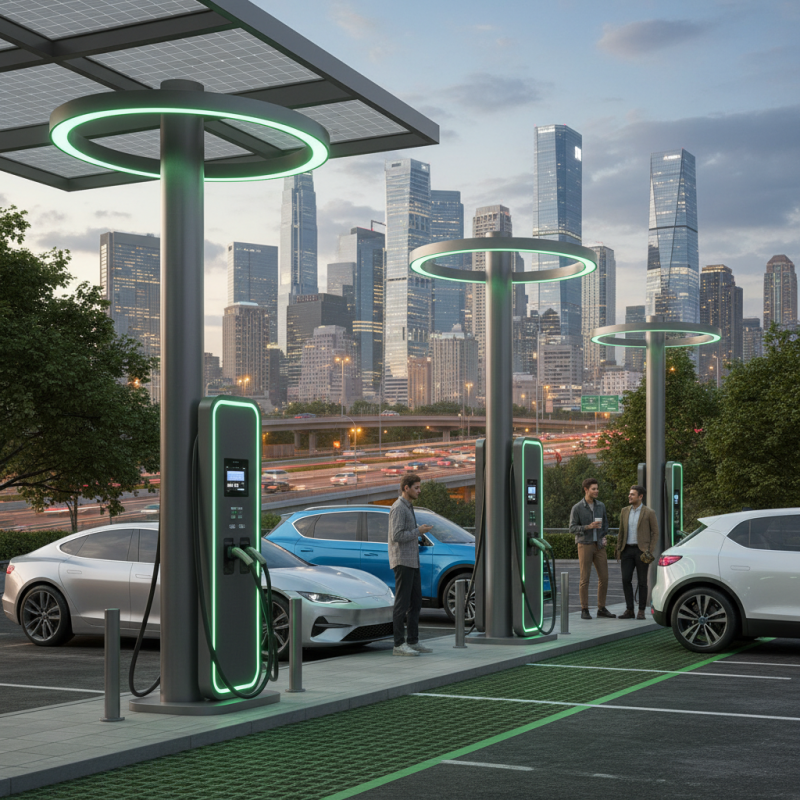
DC fast chargers are revolutionizing the electric vehicle landscape. These stations significantly reduce charging times, transforming long waits into quick stops. A full charge may take only 30 minutes, allowing drivers to continue their journeys efficiently. This speed offers convenience, especially during long trips or busy days.
Faster charging means less downtime. EV owners can grab a coffee, check messages, or stretch their legs while their vehicle charges. It encourages more people to switch to electric. However, charging infrastructure is still developing. In some areas, finding a DC fast charger can be difficult. Not every location is equipped with these advanced stations.
While the benefits are clear, access can be a challenge. A faster charge doesn’t always mean a reliable station. Drivers may encounter outdated equipment or high usage during peak times. As the market grows, improvements are necessary. More investment in infrastructure is essential to meet increasing demand and ensure convenience for all electric vehicle users.
Enhanced Convenience for Electric Vehicle Users
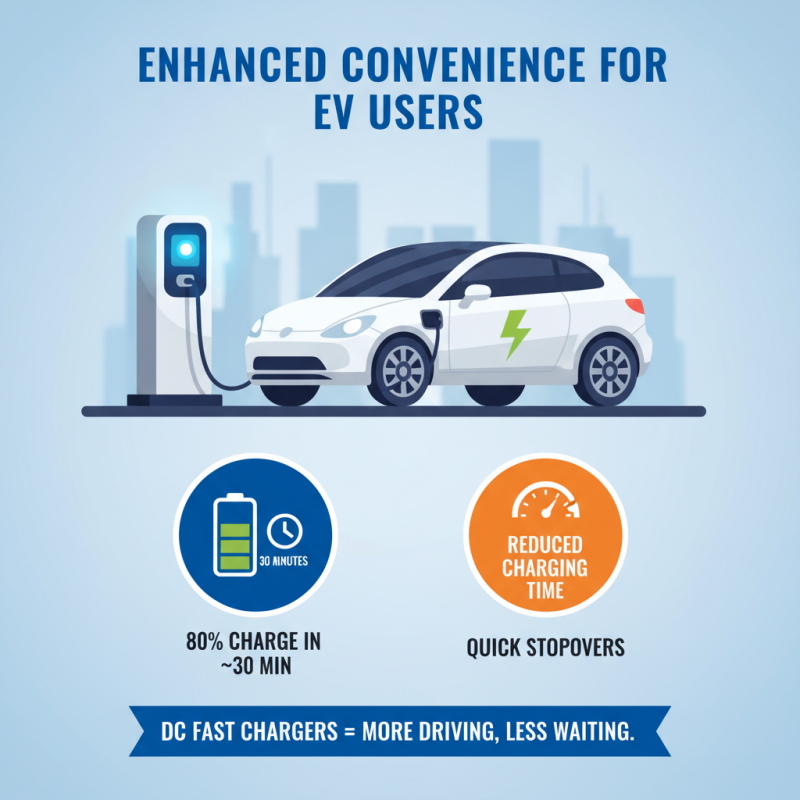
DC fast charger stations significantly enhance convenience for electric vehicle (EV) users. According to the International Energy Agency, fast chargers can supply up to 80% battery charge in just 30 minutes. This efficiency allows drivers to quickly refuel during short breaks. As a result, the total time spent charging is drastically reduced.
Moreover, the growing network of fast charger stations provides access to more locations. The U.S. Department of Energy reported that there are over 20,000 DC fast charging points in the country. This makes long-distance travel more feasible for EV owners. They don’t need to plan their journeys around lengthy charging times. However, while the infrastructure is expanding, some rural areas still lack sufficient charging options. This discrepancy highlights a need for improvement.
Additionally, convenience doesn't just come from speed. The ability to charge quickly means EVs can be integrated into busy lifestyles. Many users appreciate the flexibility of charging while running errands. Yet, it’s essential to address potential issues such as charger compatibility and payment methods. These factors can detract from the overall user experience. Despite these challenges, the benefits are becoming clearer. Fast chargers are paving the way for wider EV adoption.
Support for Long-Distance Travel and Route Planning
DC fast chargers are a game changer for electric vehicle (EV) owners. They enable long-distance travel with ease. Imagine planning a road trip across states. With fast chargers, you can travel farther and stress less. The convenience of these stations helps you map out your journey better.
While many highways have charging stations, few are consistently reliable. Sometimes, chargers are out of service or crowded. This can lead to longer wait times or interruptions in your trip. It's important for EV drivers to stay informed about charging locations before heading out. Having a backup plan, like knowing nearby cafes or charging spots, can ease travel anxiety.
DC fast chargers can boost your battery in under an hour. This is ideal for quick stops. However, not all EVs can use them equally. Some cars might take longer to charge, affecting travel plans. Knowing your vehicle’s capabilities is crucial. Balancing range and charging speed is part of the adventure with electric vehicles.
Top 10 Benefits of Using DC Fast Charger Stations for Electric Vehicles
| Benefit |
Description |
Impact on Travel |
| Fast Charging |
Charges EVs to 80% in 30 minutes or less. |
Significantly reduces downtime during long trips. |
| Route Planning |
Helps plan routes based on charging locations. |
Enhances travel efficiency and reduces range anxiety. |
| Accessibility |
Widely available at strategic locations. |
Eases access for long-distance travelers. |
| Cost-Effective |
Lower charging costs compared to gas. |
Affordable travel over long distances. |
| Environmentally Friendly |
Reduces carbon footprint compared to gasoline. |
Sustainable travel option for eco-conscious users. |
| Reliability |
Consistent performance across various climates. |
Reliable charging during all seasons enhances travel confidence. |
| Time Efficiency |
Minimizes wait times for charging. |
Allows more time for other travel activities. |
| User-Friendly |
Easy to locate charging spots via apps. |
Enhances user experience when traveling. |
| Boosts EV Adoption |
Encourages more people to switch to electric vehicles. |
Increases the overall number of EV travelers. |
| Enhanced Innovation |
Pushes advancements in EV technology. |
Promotes better performance over distances. |
Reduced Carbon Footprint and Environmental Impact
Electric vehicles (EVs) are a pivotal solution for reducing our carbon footprint. DC fast charger stations play a crucial role in this transition. These chargers can provide significant power in a short time, often charging an EV to 80% in less than 30 minutes. This efficiency encourages more drivers to switch to electric, ultimately reducing greenhouse gas emissions.
According to a report by the International Energy Agency, shifting from gas vehicles to EVs can lead to a 30% drop in emissions by 2030. However, the actual benefits depend heavily on the energy sources used for charging. If the electricity comes from renewable sources, the impact on reducing the overall carbon footprint becomes even more pronounced. Yet, some areas still rely on fossil fuels, presenting a challenge in maximizing the environmental benefits of EVs.
Public charging infrastructure, like DC fast chargers, also promotes the use of electric transport. Recent studies suggest that increased access to fast charging leads to higher EV adoption rates. Still, issues such as charger availability and grid reliability need addressing. Without robust infrastructure, the goal of minimizing environmental impact may remain out of reach. There is a pressing need for continued investment and innovation in this vital area.
Integration with Renewable Energy Sources for Sustainable Charging
The integration of DC fast chargers with renewable energy sources presents a compelling opportunity for sustainable electric vehicle (EV) charging. According to a 2022 report from the International Energy Agency, renewable energy accounted for nearly 30% of global electricity generation. This statistic highlights the potential of harnessing clean energy for powering charging stations, reducing carbon footprints while enhancing energy efficiency.
Utilizing solar or wind power can significantly lower operational costs. In sunny regions, solar panels can generate enough electricity to operate fast chargers. The U.S. Department of Energy notes that solar can reduce charging costs by up to 80%. However, the inconsistency of weather patterns presents a challenge. When the sun isn’t shining or the wind isn’t blowing, reliance on traditional grid power may negate the benefits of renewables.
Moreover, integrating battery storage with DC fast chargers enables energy usage flexibility. Energy storage systems capture surplus renewable energy, storing it for later use. A study by BloombergNEF indicated that energy storage could increase the reliability of renewable-powered chargers by 40%. Nonetheless, high initial investment costs could deter widespread adoption. As technology advances, prices may decrease, creating a more sustainable future for EV charging infrastructure.


 Phone
Phone Send Email
 whatsapp
 Facebook
 Youtube