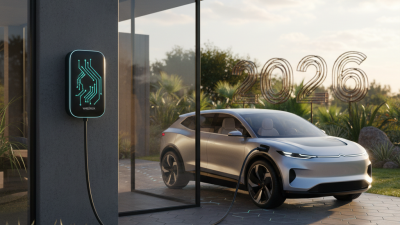
2026 Best Home Vehicle Charging Station Options for You?
As electric vehicles gain popularity, choosing the right Home Vehicle Charging Station becomes vital. "The right charging station can make all the difference in a seamless EV experience," says John Maxwell, a noted industry expert in sustainable transportation solutions. His insight reflects a growing trend among homeowners looking for efficiency and convenience.
Home Vehicle Charging Stations vary widely in features and costs. It's essential to consider not only the charging speed but also the compatibility with your vehicle. Some stations may promise faster charging, but the installation process can be complex. Homeowners need to navigate these challenges with care.
Investing in a Home Vehicle Charging Station isn’t just about convenience. It’s about future-proofing your home and making sustainable choices. While many options exist, not all are equal. Research is crucial. The right choice requires thoughtfulness and awareness of your specific needs and local infrastructure.
2026 Market Trends in Home Vehicle Charging Stations: Key Insights
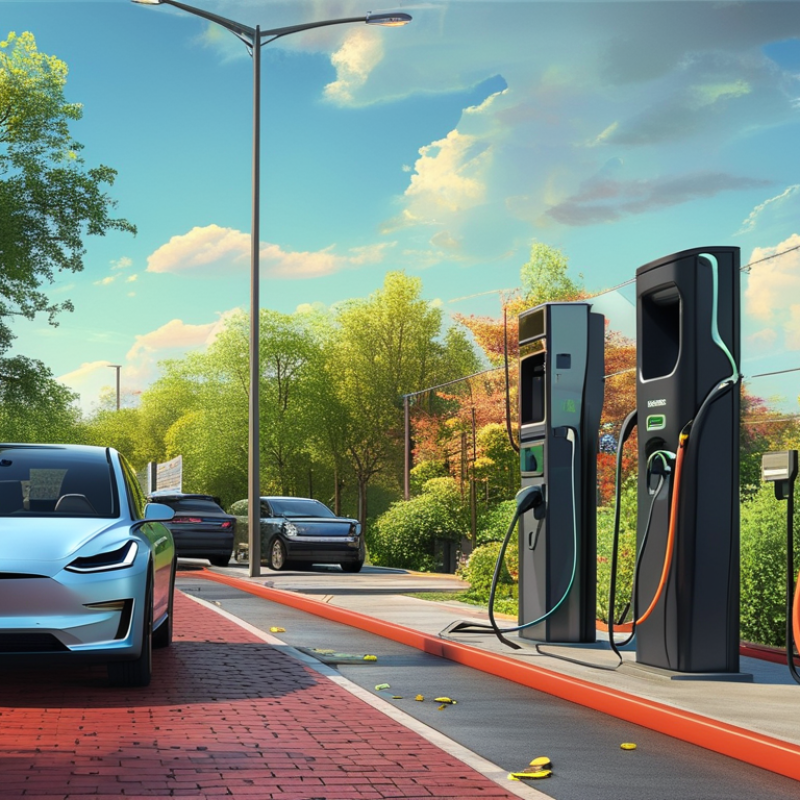
As the demand for electric vehicles increases, so does the need for efficient home vehicle charging stations. In 2026, the market is expected to grow significantly, with predicted revenues soaring to over $10 billion. This shift reflects the wider adoption of electric vehicles, driven by environmental concerns and advances in battery technology. Consumers are now looking for charging solutions that fit their lifestyles.
In a recent report, it was noted that 70% of EV owners prefer home charging stations for their convenience. These stations offer a variety of power outputs, ranging from Level 1 chargers to faster Level 2 units. While faster charging options reduce charging time, they also require a higher initial investment and potentially more complex installation. This balance between cost and convenience is something many homeowners contemplate.
However, challenges remain. Not all homes are equipped for high-capacity installations. Upgrading electrical systems can involve significant expenses. Additionally, there is a noticeable lack of standardization among charging station interfaces. This may lead consumers to second-guess their choices. Thus, while the market shows great potential, consumers must navigate these complexities carefully.
Comparative Analysis of Level 1, Level 2, and DC Fast Charging Solutions
When considering a home vehicle charging station, understanding the types of charging solutions is vital. Level 1 charging utilizes a standard 120V outlet, providing a slow charge of about 4-5 miles per hour. This method is convenient for overnight charging, but it may not meet the needs of bustling households with multiple electric vehicles.
Level 2 chargers operate on a 240V connection and can deliver approximately 25-30 miles of range per hour. This option is more suitable for daily use, especially for those with longer commutes. However, installation costs can be higher than expected, so it's wise to assess your electrical setup before committing.
DC Fast Charging is the swiftest option, offering up to 80% charge in just 30 minutes. While this is excellent for quick stops on long trips, it's often impractical for home installation due to expense and power requirements. Consider if fast charging aligns with your lifestyle and charging frequency.
Tips: Always check your local electrical codes before installation. Consulting an electrician can prevent unexpected costs. Additionally, think about potential upgrades to your electrical panel if you plan on adding a Level 2 or DC Fast Charger in the future.
2026 Best Home Vehicle Charging Station Options
Top 5 Features to Look for in a Home EV Charger: A Data-Driven Guide
When selecting a home EV charger, the features can greatly influence your experience. Consider compatibility first. Ensure that the charger works with your vehicle model. This is crucial for seamless charging. Many people overlook this, leading to frustration later.
Next, look for smart charging capabilities. These can optimally charge your vehicle based on your usage patterns. This feature can save time and energy. Imagine returning home to a fully charged car without any hassle.
Safety is non-negotiable. Check for features like overcurrent protection and weather resistance. Not all chargers offer the same level of safety. You want to avoid any potential dangers. Reliability matters in your investment. A charger that malfunctions can create more headaches than convenience.
Tip: Regular maintenance can enhance the durability of your charger. Inspect cables for wear and tear. Safety check your installation regularly.
Tip: Choose an installer with good credentials. A poorly installed charger can lead to issues. Check reviews to ensure credibility.
Cost-Benefit Analysis: Pricing, Installation, and Energy Savings of EV Chargers
Considering an EV charger for your home? Evaluating the cost is essential. The initial expense can vary widely. Typical installation costs range from $500 to $2,500. This includes the unit's price and installation labor. It’s a significant upfront investment, yet one that many find worthwhile over time.
Beyond installation, ongoing energy savings are a key factor. Electric vehicles typically have lower fueling costs than gasoline cars. Charging at home often means lower rates, especially during off-peak hours. Homeowners can track real savings through their utility bills. Some rebate programs can further lower the burden.
However, it’s vital to weigh your usage patterns. If your vehicle is a sporadic necessity, the return on investment may take longer. Proper planning and usage analysis are crucial. Reflecting on these factors can help you make an informed choice. Investing in a home charging station should align with personal driving habits and financial capacity.
Future Innovations in Home Charging Technology: What's on the Horizon?
As we look toward the future, home vehicle charging technology is poised for significant advancements. The global electric vehicle (EV) market is projected to reach 26 million units by 2030, according to a recent industry report. This growth emphasizes the need for more efficient and user-friendly charging solutions at home. With innovations such as bidirectional chargers and smart charging systems, homeowners will have new options to manage energy consumption more effectively.
Bidirectional charging, for instance, enables vehicles to send electricity back to the grid or power home appliances. This technology could help balance energy loads and optimize electricity costs. However, there are challenges to consider. Not all homes are equipped to handle such systems yet. Upgrading electrical infrastructure can be costly and complicated for many homeowners. Additionally, while smart charging can maximize energy efficiency, the technology is still developing, raising questions about its reliability.
Wireless charging is another area of interest. Research indicates that these systems could eliminate cable clutter and improve convenience. However, efficiency losses during the transfer process remain a concern. Further studies are needed to improve performance. As homeowners strategies adapt, the importance of staying informed about these developments cannot be overstated. Understanding these trends will be crucial when selecting the best home vehicle charging station.


 Phone
Phone Send Email
 whatsapp
 Facebook
 Youtube