How to Choose the Best Portable EV Charging Station for Your Electric Vehicle Needs in 2023
In the rapidly evolving landscape of electric vehicles (EVs), the importance of a reliable charging solution cannot be overstated. As of 2023, the global electric vehicle market is projected to reach 26 million units, with portable EV charging stations becoming increasingly vital for both urban and rural drivers. According to a recent report by BloombergNEF, the transition to electric mobility is expected to accelerate, with portable charging solutions fulfilling the need for flexibility and convenience. This technology allows EV owners to charge their vehicles anywhere, reducing range anxiety and promoting the use of electric vehicles across diverse demographics.

The market for portable EV charging stations is not only growing but also innovating to meet the diverse needs of users. A study by Research and Markets indicates that the portable EV charging station market is expected to witness significant growth, driven by increased adoption of electric vehicles and advancements in charging technology. As more consumers transition to electric vehicles, understanding how to choose the best portable EV charging station becomes critical. Factors such as charging speed, compatibility with various EV models, and ease of use will play pivotal roles in the decision-making process. With this information, consumers can effectively navigate the expanding options available in the market, ensuring they select a charging solution that aligns with their lifestyle and EV requirements.
Understanding Different Types of Portable EV Charging Stations Available in 2023
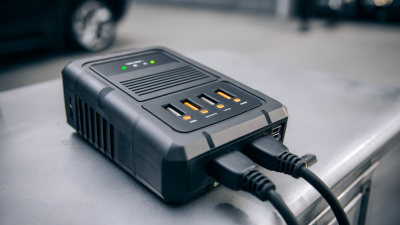
When selecting a portable EV charging station in 2023, understanding the different types available is crucial. The primary categories include
Level 1,
Level 2, and
Level 3 chargers, each offering distinct power outputs and charging speeds.
Level 1 chargers provide a slow charging rate, suitable for overnight charging at home, while
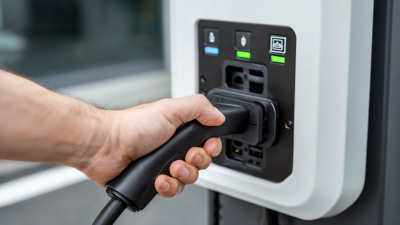
Level 2 chargers are more powerful and can significantly reduce charging time, making them ideal for both home and public use.
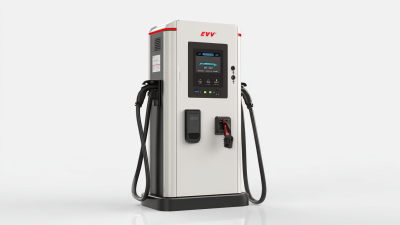
On the other hand, Level 3 chargers, or
DC fast chargers, offer the quickest charging solution, perfect for long trips where time efficiency is key.
As electric vehicle adoption increases, so do the innovations in portable charging solutions. Features such as
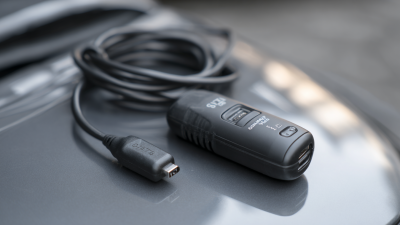
compact designs, user-friendly interfaces, and compatibility with various EV models enhance their appeal.
Additionally, understanding the power output is essential as it directly affects the charging speed and the overall efficiency of your charging experience.
Considering your specific needs, such as travel habits and vehicle requirements, can guide you toward the best portable charger choice, ensuring you stay powered up wherever your journey takes you.
Key Features to Look for in a Portable EV Charger: Efficiency and Compatibility
When selecting a portable EV charging station for your electric vehicle, two of the most critical features to consider are efficiency and compatibility. Efficiency refers to how quickly the charger can deliver power to your vehicle. Look for chargers with higher wattage ratings, as they can provide faster charging times. Additionally, consider the charger’s ability to operate under various environmental conditions, ensuring it maintains performance even in extreme weather.

Compatibility is equally important, as not all chargers are designed to work with every electric vehicle model. Ensure that the portable charger you choose is compatible with your specific electric vehicle's charging port—whether it's a Type 1, Type 2, or CCS. Moreover, it’s advantageous to select a charger that supports multiple charging standards to future-proof your investment, allowing flexibility for potential future vehicle upgrades. By focusing on these key features, you can choose a portable EV charger that meets your needs and enhances your driving experience.
Assessing Power Output: Choosing the Right Charging Speed for Your EV
When selecting a portable EV charging station, assessing power output is crucial to meet your electric vehicle's charging speed requirements. Typically, EV chargers come in various power outputs measured in kilowatts (kW), with Level 1 chargers providing about 1.2 kW and Level 2 chargers ranging up to 22 kW. For instance, a study by the U.S. Department of Energy indicates that most home charging installations favor Level 2 chargers for their efficiency, enabling a full charge in approximately 4-8 hours, compared to the over 24 hours required by Level 1 chargers.

Choosing the right charging speed involves understanding your driving habits and daily range. According to a report by the International Energy Agency (IEA), 80% of EV owners charge their vehicles at home, highlighting the importance of having a fast charging solution readily available. For those who regularly drive long distances or use their EVs for commuting, a portable charger with higher kW ratings is essential to minimize downtime. Additionally, considering compatibility with your specific EV model and the local electrical infrastructure can further enhance your charging experience, ensuring you’re equipped to handle any travel constraints efficiently.
Budget Considerations: Finding a Portable Charger that Meets Your Needs
When choosing a portable EV charging station, budget considerations are paramount. It's essential to define how much you're willing to spend without compromising on quality and features. Portable chargers can range from under $200 to over $1000, depending on the charging speed, portability, and additional features such as smart technology or weather resistance. Assessing your driving habits will help you determine the level of investment needed; for example, if you often take long trips, a higher capacity charger may be worth the extra cost.
**Tips:** Always check for compatibility with your specific electric vehicle model before making a purchase. Additionally, look for options that come with warranties or customer support to ensure you're covered in case of issues. Don't overlook the potential savings from installing a home charging station if you frequently travel; this can significantly lower your charging costs in the long run.
Another key aspect is to focus on the charging speed that fits your lifestyle. While faster charging stations are typically more expensive, they can save you valuable time on the road. Compare different models to find one that strikes the right balance between affordability and performance for your electric vehicle needs.
Safety Features: Ensuring Reliable and Secure Charging for Your Electric Vehicle
When selecting a portable EV charging station, prioritizing safety features is crucial to ensure reliable and secure charging for your electric vehicle. According to a recent report by the National Renewable Energy Laboratory, over 60% of EV owners express concerns about charging safety, highlighting the importance of robust safety mechanisms in charging solutions. A quality portable charging station should include features such as overcurrent protection, short-circuit prevention, and thermal management systems to mitigate risks associated with overheating or electrical faults.
Furthermore, many modern charging stations are equipped with smart technology that enhances safety and efficiency. For instance, devices with integrated ground fault detection significantly reduce the risk of electric shock, making them safer for home and outdoor use. Additionally, features like surge protection safeguard against voltage spikes that could potentially damage your EV’s onboard charger. The Electric Power Research Institute (EPRI) estimates that incorporating advanced safety features can reduce charging-related incidents by 30%, making it imperative to choose a charging station that not only meets but exceeds industry safety standards.


 Phone
Phone Send Email
 whatsapp
 Facebook
 Youtube