What are the Best Wallbox Charge Solutions for Your Electric Vehicle?
In the rapidly evolving world of electric vehicles, Wallbox Charge solutions have become crucial for a seamless driving experience. Experts like Thomas Ransom, a leading figure at Wallbox, emphasize, “Investing in efficient charging infrastructure is essential for the future of mobility.” This insight underlines the importance of selecting the right charging options for your electric vehicle.
Many consumers face challenges in choosing the best Wallbox Charge solutions that suit their needs. With numerous products available, it can be overwhelming. Features like charging speed, compatibility with various models, and installation requirements are critical to consider. It’s not just about convenience; it’s about ensuring your charging solution aligns with your lifestyle and driving habits.
Additionally, the market for Wallbox Charge solutions is not without its flaws. Some products may lack the durability or customer support that users expect. It is critical to conduct thorough research before investing. Engaging with user reviews and expert opinions can help in making informed decisions. Prioritizing quality and reliability will ultimately lead to a more satisfying ownership experience.
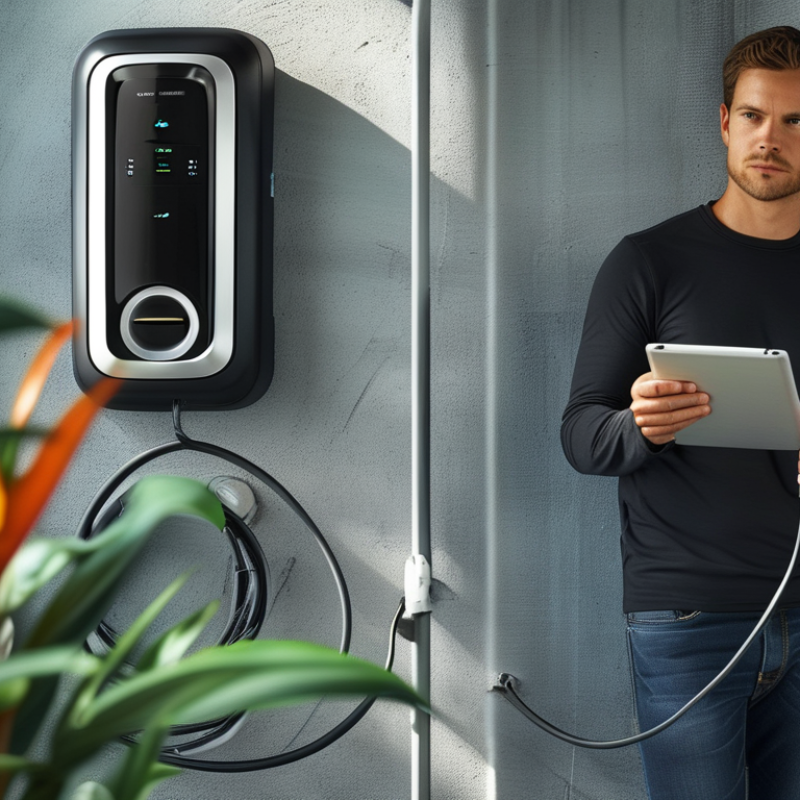
Overview of Wallbox Charging Solutions for Electric Vehicles
As electric vehicle adoption continues to rise, understanding wallbox charging solutions becomes essential for EV owners. Research indicates that over 10 million electric vehicles were sold worldwide in 2022, highlighting the growing demand for efficient home charging systems. Wallbox chargers offer a convenient and effective means to power electric vehicles. They typically provide faster charging compared to standard outlets, significantly reducing downtime.
When considering a wallbox charging solution, it's vital to assess installation requirements. Many chargers require a dedicated circuit and may need a qualified electrician for setup. Some users report challenges in securing the necessary permits, leading to delays. It's essential to investigate local regulations and available incentives. A detailed report from the International Energy Agency suggests that proper planning can accelerate the transition to electric mobility.
Tip: Consider using a smart wallbox charger. These chargers allow remote monitoring, scheduling, and energy management, potentially lowering electricity costs during peak hours. It’s important not to overlook compatibility with your specific electric vehicle model.
Battery safety is another vital factor. Different wallbox solutions come with varying safety features. Some users experience issues related to overheating or circuit failures, emphasizing the need for robust technology. Regular maintenance and monitoring can prevent potential hazards and enhance the longevity of your charging station. Keeping abreast of new technologies in charging solutions can help you choose wisely.
Types of Wallbox Chargers: Level 1, Level 2, and DC Fast Charging
When choosing a wallbox charger for your electric vehicle, understanding the types available is essential. Level 1 chargers are the basic option. They use a standard household outlet. This makes them convenient, but they charge slowly. Typically, a full charge can take up to 20 hours. This may not fit everyone's lifestyle. Charging overnight may work for some, but it's not ideal for those who drive daily.
Level 2 chargers offer enhanced performance. They require a dedicated 240V circuit. Charging time significantly decreases, often taking only a few hours. This option suits most electric vehicle owners well. The investment in a Level 2 charger often pays off through saved time. However, installation costs may deter potential buyers. Careful planning is crucial before making this decision.
DC fast charging is the best for those on the go. This technology can provide an 80% charge in about 30 minutes. However, it’s usually only available in public charging stations. Costing more per session makes it less appealing for home use. It’s essential to weigh your charging needs against the available options. The right choice reflects your lifestyle and driving habits.
Key Features to Consider When Choosing a Wallbox Charger
When selecting a Wallbox charger for your electric vehicle, several key features merit careful consideration. Power output is crucial. The average home charging station offers between 3.7 kW and 22 kW. Choosing one at the higher end can reduce charging time significantly. For example, Level 2 chargers, typically around 7.2 kW, can refill most EV batteries overnight. A recent industry study indicates that almost 70% of EV owners prefer chargers that can deliver a full charge in less than eight hours.
Connectivity features are increasingly important. Many Wallbox chargers now come equipped with smart technology. This allows for remote monitoring and scheduling via mobile apps. Such features can optimize energy use, especially in homes with solar technology. Research shows that users who utilize smart features can save up to 20% on energy costs. However, not all models support advanced connectivity. This can lead to inefficiencies for the user who may not fully utilize the charger’s potential.
Safety is paramount. Look for chargers with built-in overcurrent and surge protection. These features help prevent electrical fires and equipment damage. Statistics indicate that the risk of malfunction increases with cheaper, unverified models. Investing in a reliable unit can provide peace of mind. While advanced features may tempt buyers, the most effective solutions balance technology with safety and reliability.
What are the Best Wallbox Charge Solutions for Your Electric Vehicle? - Key Features to Consider When Choosing a Wallbox Charger
| Feature |
Description |
Importance |
| Charging Speed |
The rate at which the charger can charge the vehicle, measured in kW. |
Higher speeds save time during charging. |
| Compatibility |
Ability to work with different electric vehicle models. |
Ensures that the charger can be used for various vehicles. |
| Connectivity |
Features like Wi-Fi, Bluetooth, and app integration for monitoring and control. |
Enhanced user experience and remote management. |
| Smart Features |
Ability to schedule charging, load balancing, etc. |
Helps in optimizing charging costs and efficiency. |
| Safety Features |
Overcurrent protection, surge protection, and temperature monitoring. |
Ensures safe charging practices and minimizes risks. |
| Design |
Aesthetic appeal and size of the charger. |
Affects installation options and overall visual impact. |
Top Brands and Models of Wallbox Chargers on the Market
When choosing the best wallbox charger for your electric vehicle, you'll encounter many options.
Features like charging speed, connectivity, and design play vital roles in the decision-making process.
Some models focus on fast charging capabilities, allowing for a full charge in a matter of hours.
Others prioritize smart technology, integrating with home energy systems for optimal efficiency.
Popular models often boast sleek designs that complement modern homes.
Many users appreciate compact chargers due to their space-saving design.
However, not every wallbox will suit every user. Some may find certain chargers less user-friendly or lacking in features they consider essential.
It's crucial to evaluate your personal needs.
In the long run, choosing a wallbox charger is an individual journey.
Relying on expert reviews can help illuminate the best options.
Yet, personal experiences can vary significantly.
A charger that works wonders for one person may be less effective for another.
Balancing expert advice with your own requirements leads to a more satisfactory choice.
Installation and Maintenance Tips for Wallbox Charging Solutions
When considering wallbox charging solutions for electric vehicles, proper installation and maintenance are crucial. Choose a location that is both convenient and safe. It’s essential to assess your home’s electrical capacity beforehand. A professional electrician can help gauge whether your wiring can handle the additional load. Ensure that the charger is mounted at the right height for easy access and visibility.
Maintenance is often overlooked, yet it directly affects performance. Regularly inspect the charging unit for any signs of wear and tear. Clean the connectors to maintain efficient charging. It’s also important to ensure that the area around the charger is clear of debris and obstacles. Seasonal checks can help detect any issues that arise due to temperature fluctuations. Document any irregularities for future reference; this could simplify troubleshooting.
Wallbox Charging Solutions Comparison
This chart compares the charging speeds of different wallbox charger types. Level 1 chargers provide the slowest charging speed at 1.4 kW, while Level 2 chargers offer a moderate speed of 7.2 kW. DC Fast Chargers deliver the highest speed at 50 kW, making them suitable for rapid charging needs.


 Phone
Phone Send Email
 whatsapp
 Facebook
 Youtube