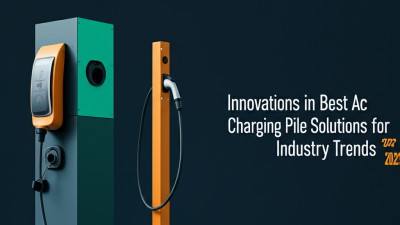
China Best AC Charging Pile Options for Electric Vehicle Owners?
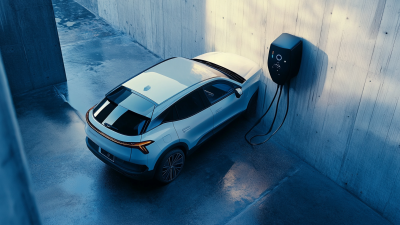
As electric vehicles (EVs) gain popularity, the need for efficient charging solutions grows. One essential component in this landscape is the AC charging pile. These charging stations offer convenience and accessibility for EV owners. In China, various options are available that cater to different needs and preferences.
The market offers advanced AC charging piles featuring fast charging capabilities and smart technology. Some models are designed for home use, while others suit public spaces. Users must consider factors such as charging speed, compatibility, and installation requirements when selecting an option. However, not all charging piles are created equally.
While many options appear appealing, it is important to explore user reviews and expert opinions. Not every product lives up to its promises. This research ensures that you choose a reliable AC charging pile. In this examination, we will explore leading brands and their features to help EV owners make informed decisions.
Overview of AC Charging Piles for Electric Vehicles in China
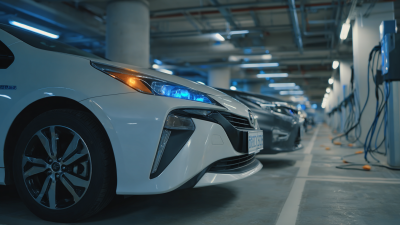
Electric Vehicle (EV) charging in China is evolving. AC charging piles are essential for daily use, providing a convenient solution for urban drivers. According to the China Electric Vehicle Charging Infrastructure Promotion Alliance, as of mid-2023, there are over 1.8 million public charging points in China. A significant portion of these points consists of AC charging piles, which are popular due to their affordability and ease of installation.
The key advantage of AC charging piles lies in their compatibility with a wide range of electric vehicles. They support various charging standards, allowing more EVs to access them without compatibility issues. In urban areas, where space is limited, the installation of compact AC units is often preferred. However, users often face long charging times, as these systems typically deliver lower power than their DC counterparts. This can be a challenge for drivers who require quick top-ups during busy schedules.
Despite the growth, several areas need attention. The reliability of some charging networks can be inconsistent, causing frustration for users. Maintenance is often overlooked, leading to outages and downtime. Additionally, not all locations offer convenient access to charging facilities, particularly in rural zones. As EV adoption continues, these challenges must be addressed to create a more robust and user-friendly charging infrastructure in China.
China Best AC Charging Pile Options for Electric Vehicle Owners
| Charging Power (kW) |
Charging Type |
Number of Ports |
Smart Features |
Installation Cost (USD) |
| 7 |
AC Charging |
1 |
App Integration, Remote Monitoring |
500 |
| 11 |
AC Charging |
2 |
Smart Load Balancing |
750 |
| 22 |
AC Charging |
1 |
Real-Time Energy Usage |
1200 |
| 7 |
AC Charging |
3 |
Scheduled Charging |
600 |
| 22 |
AC Charging |
2 |
Payment Integration |
1500 |
Types of AC Charging Piles Available for EV Owners
Electric vehicle (EV) charging infrastructure is growing rapidly in China. One key component is the AC charging pile. These piles vary in types and features, catering to different needs of EV owners. According to a recent industry report, nearly 70% of EV users prefer AC charging for its efficiency and convenience.
AC charging piles typically fall into several categories.
Level 1 chargers work on standard 110-volt outlets, ideal for home charging. They are slow but useful for overnight charging.
Level 2 chargers, which operate on 220-volt systems, are more common and can charge vehicles significantly faster.
Fast AC chargers are becoming popular in commercial settings. They can fully charge an EV in a few hours.
Tips: Always check the power output before installation. Higher power ratings mean shorter charging times. Ensure the pile is compatible with your vehicle to avoid issues.
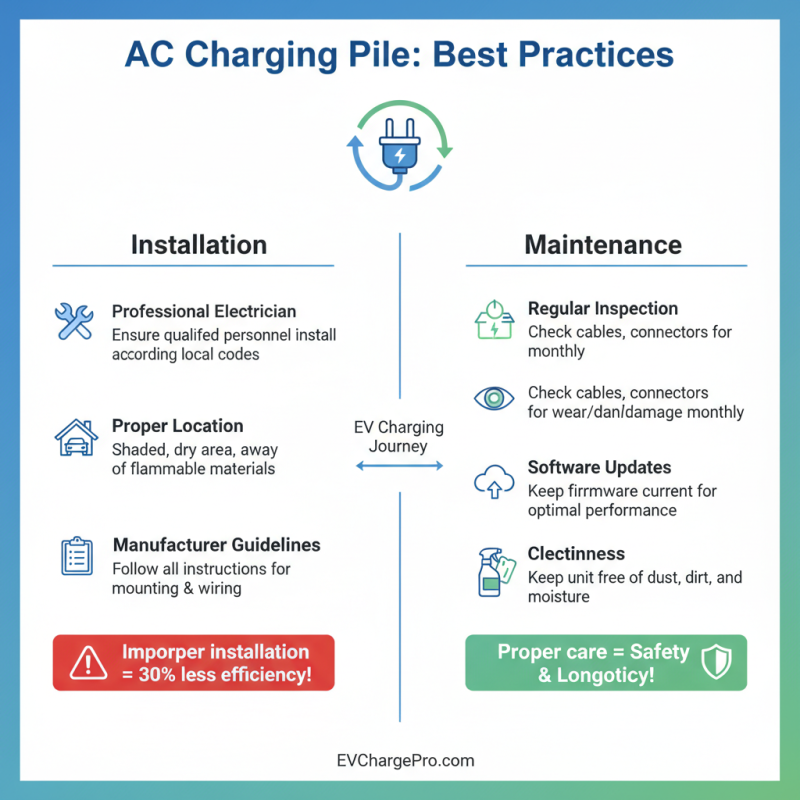
Another important aspect is durability and safety. An EV charging pile should withstand various weather conditions. Look for models with IP ratings indicating protection against dust and water. Regular maintenance checks can prevent unexpected malfunctions. This is crucial, as an idle charging station can be frustrating for users, impacting overall EV adoption rates.
Key Features to Consider When Choosing an AC Charging Pile
When selecting an AC charging pile for electric vehicles, key features are critical. One should consider charging power, compatibility, and ease of use. Reports indicate that the average home charging power in China ranges from 3.6 kW to 22 kW. Higher power translates to faster charging, crucial for busy EV owners.
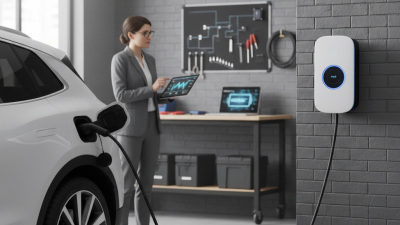
User experience is vital. Look for intuitive interfaces and connectivity features. A recent study shows that 75% of users favor chargers with smart functions. These allow remote monitoring and scheduling, enhancing convenience. However, some models lack clarity in their app usability. This can lead to frustration during installation or use.
Durability is another essential feature. The lifespan of charging piles can vary significantly. Many manufacturers claim their products last up to 10 years, but real-world usage can differ. Environmental factors affect longevity. Buyers should research local conditions before purchasing. This decision can have long-term implications for both cost and performance. Always weigh these factors carefully to ensure the best choice for your needs.
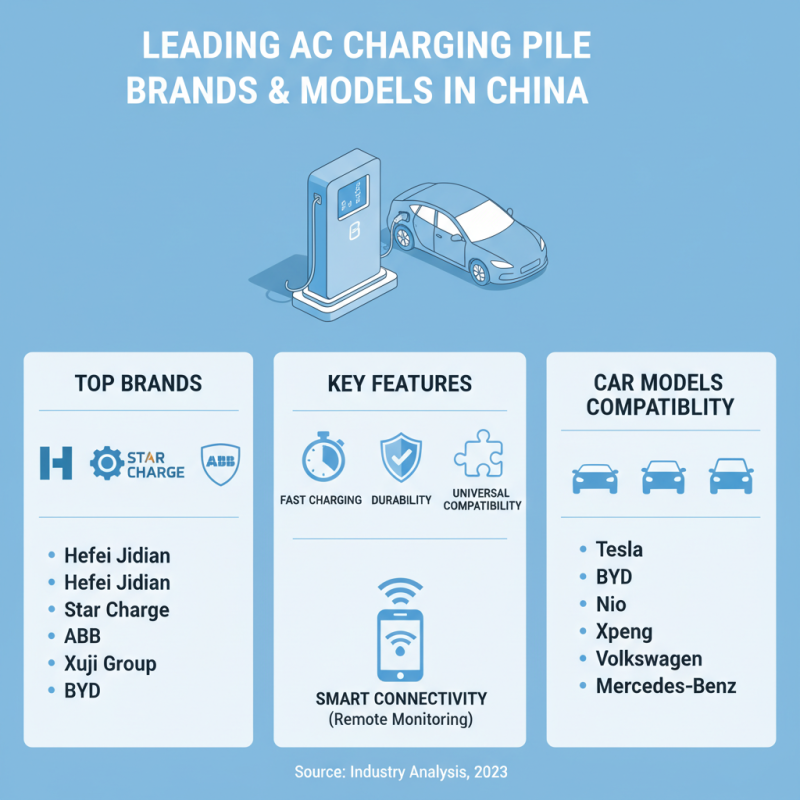
Leading Brands and Models of AC Charging Piles in China
When considering AC charging piles in China, several leading brands stand out. These options cater to a variety of electric vehicle (EV) owners. Features such as charging speed, durability, and compatibility with different car models play crucial roles. Many offer smart connectivity, allowing users to monitor their charging status remotely. This adds a layer of convenience.
Some models are designed for home installations, while others serve public charging stations. The differences in power output can greatly affect charging time. A higher power output means faster charging. However, the installation process may be more complex for stronger models. Additionally, price points vary widely, impacting accessibility for different users.
Infrastructure also impacts the effectiveness of these charging solutions. Urban areas often have more options available than rural regions. As EV popularity grows, manufacturers are expanding offerings. This development prompts a need for continual evaluation. Owners should consider local support and service availability when choosing a charging pile. This decision can influence their overall experience with electric vehicles.


 Phone
Phone Send Email
 whatsapp
 Facebook
 Youtube