Why You Should Choose a DC Fast Charger Station for Your Electric Vehicle Needs
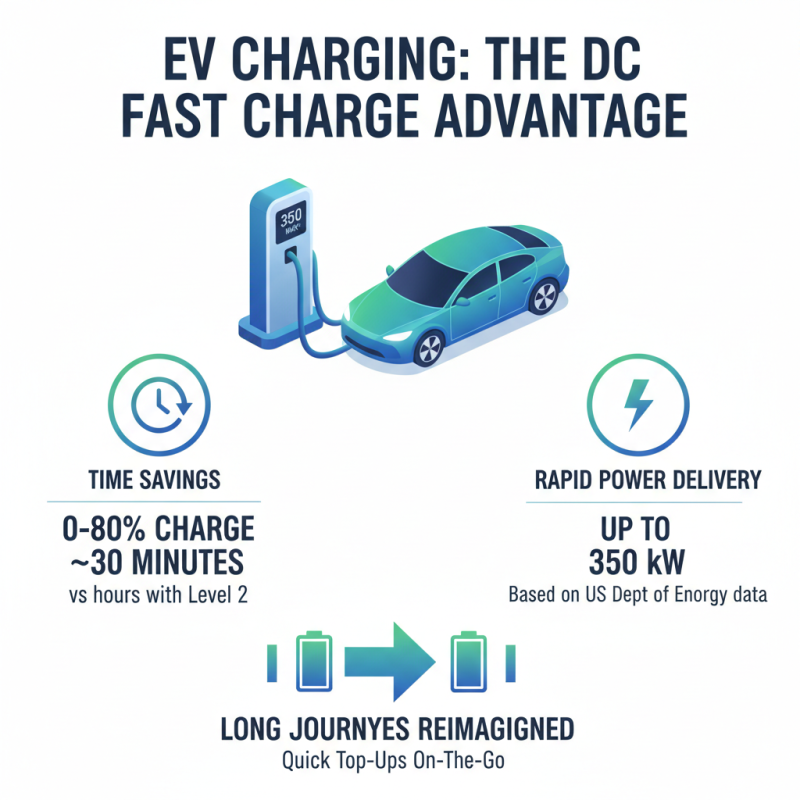
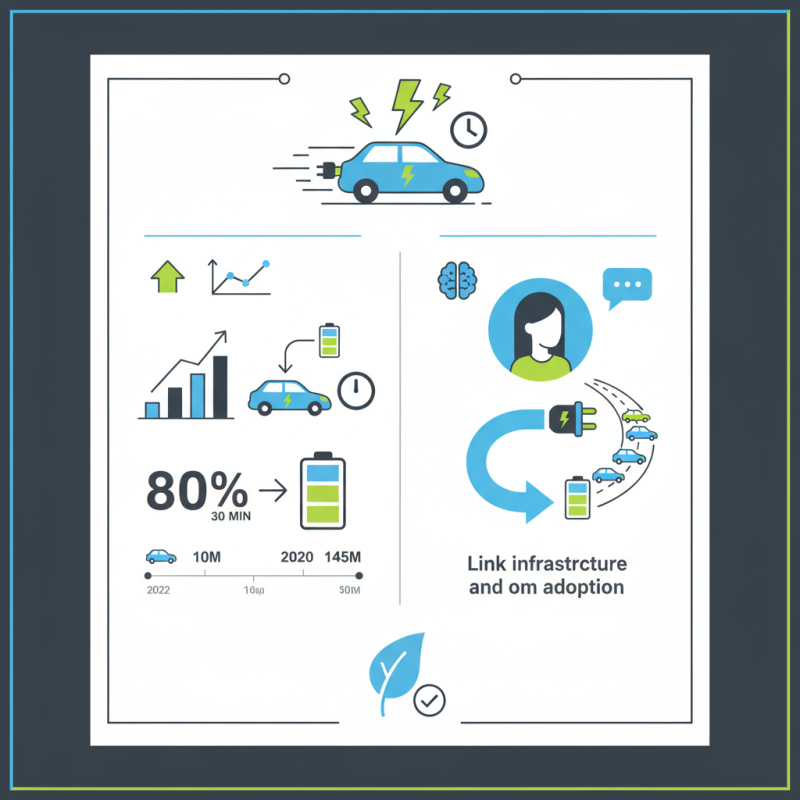
As the electric vehicle (EV) market continues to expand, the demand for efficient and rapid charging solutions has become increasingly critical. Recent reports from the International Energy Agency indicate that the number of electric vehicles on the road reached over 10 million in 2022, with projections suggesting this number could rise to 145 million by 2030. In this context, the significance of DC Fast Charger stations grows, offering the ability to charge an EV to 80% in as little as 30 minutes. This capability not only enhances the user experience but also addresses the growing concerns surrounding range anxiety.
According to Dr. Emily Carter, a prominent expert in electric vehicle technology, “The deployment of DC Fast Charger stations is vital for the future of electric mobility, as it directly influences the adoption rates of EVs.” Her insight underscores the importance of investing in robust charging infrastructure to support the burgeoning electric vehicle ecosystem. By choosing a DC Fast Charger station, EV owners can ensure they are equipped with a reliable and efficient means to power their vehicles, ultimately contributing to a more sustainable and convenient future of transportation.
Advantages of DC Fast Charging Over Level 2 Charging Stations
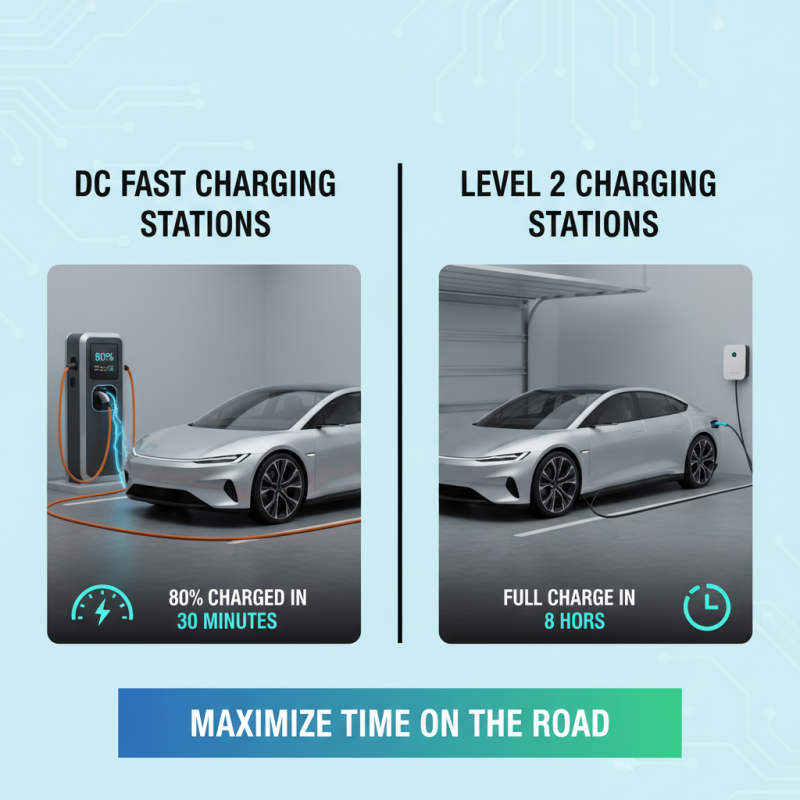
DC fast charging stations provide significant advantages over Level 2 charging stations, making them an essential consideration for electric vehicle (EV) owners. One of the primary benefits is the rapid charging capability of DC fast chargers. While Level 2 chargers can take several hours to fully charge an EV, DC fast chargers can deliver an 80% charge in as little as 30 minutes, greatly reducing downtime during long trips or busy days. This speed is particularly advantageous for drivers who need to maximize their time on the road.
Additionally, DC fast chargers are designed to support the growing demand for electric vehicle infrastructure. As more people transition to EVs, the need for efficient and accessible charging solutions becomes paramount. DC fast chargers typically have higher power outputs, enabling them to accommodate a wider variety of electric vehicles and their charging requirements. This versatility not only ensures that drivers can find suitable charging options but also supports the continued growth of the electric vehicle market, promoting sustainability and reducing reliance on fossil fuels.
Impact on Charging Time: 80% Charge in 30 Minutes or Less
With the growing popularity of electric vehicles (EVs), the need for efficient charging solutions has become paramount. One significant advantage of using a DC fast charger station is its ability to drastically reduce charging times. According to the U.S. Department of Energy, DC fast chargers can deliver electricity at rates up to 350 kW, allowing EVs to charge up to 80% in approximately 30 minutes or less. This rapid charging capability presents a game-changer for EV owners who rely on quick top-ups during longer journeys.
Industry reports indicate that the proliferation of DC fast charging infrastructure is crucial to enhancing the overall utility of electric vehicles. A study by the International Council on Clean Transportation highlights that a well-distributed network of DC fast chargers can increase the adoption of EVs by addressing range anxiety, a common concern among potential buyers. Moreover, the convenience of charging within a mere half-hour makes EVs more competitive with traditional gasoline vehicles, ultimately supporting the transition to a more sustainable transportation future. By opting for DC fast charging stations, users can maximize their time efficiency and enjoy the benefits of electric mobility without the longer wait times associated with conventional charging options.
EV Range Anxiety: How Fast Chargers Enhance Driving Flexibility
Driving an electric vehicle (EV) can offer a myriad of advantages, but range anxiety remains a significant concern for many drivers. The fear of running out of battery power before reaching a destination can detract from the overall enjoyment of an electric driving experience. This is where DC fast chargers become essential, serving as a solution that alleviates such worries and enhances driving flexibility.
DC fast chargers can significantly reduce charging time, enabling drivers to regain a substantial amount of battery life within a short period. Unlike standard chargers, which may take several hours, fast chargers can provide an 80% charge in as little as 30 minutes. This rapid turnaround allows drivers to make longer trips with confidence, knowing they can quickly recharge during breaks. Moreover, the growing network of fast-charging stations enhances the convenience of EV ownership, making it easier to plan long-distance journeys without the constant fear of hitting a dead end.
The strategic placement of DC fast chargers in accessible locations ensures that EV owners have minimal downtime. With more charging options available, drivers can freely explore new routes and remote destinations, ultimately transforming their travel experience. Fast charging technology thus not only improves the practicality of owning an electric vehicle but also contributes to the broader adoption of sustainable transportation, fostering a future where range anxiety becomes a relic of the past.
Why You Should Choose a DC Fast Charger Station for Your Electric Vehicle Needs - EV Range Anxiety: How Fast Chargers Enhance Driving Flexibility
| Feature |
DC Fast Charger |
Level 2 Charger |
| Charging Speed |
Up to 80% in 30 minutes |
Full charge in 4-8 hours |
| Compatibility |
Broad compatibility with most EVs |
Common in residential settings |
| Location Convenience |
Available at major highways & urban areas |
Typically installed at homes & workplaces |
| Cost of Installation |
Higher installation costs |
Lower installation costs |
| User Experience |
Quick charging reduces wait time |
Long wait time for full charge |
Cost-Effectiveness: Analyzing the Long-Term Savings of Fast Charging
When considering electric vehicle (EV) charging options,
cost-effectiveness plays a critical role in the decision-making process.
DC fast chargers, although initially higher in price
compared to traditional charging stations, offer significant long-term savings that can
outweigh the upfront investment. Unlike Level 2 chargers, which may take hours to fully charge
an EV, DC fast chargers can replenish an electric vehicle’s battery in a fraction of the time,
enabling drivers to spend less time waiting and more time on the road. This efficiency can
translate to decreased downtime for commercial fleets, enhancing productivity and reducing potential
revenue loss.
Moreover, the overall cost benefits extend beyond mere charging time. Fast chargers can lead to
reduced electricity costs per kilowatt-hour, especially in areas where demand charges are lower during off-peak hours.
Fast charging is also conducive to enabling a broader charging infrastructure, including public and workplace
charging solutions, attracting more EV owners to utilize these facilities. As overall EV adoption grows, the
economic advantages of faster charging will become increasingly apparent, encouraging users to make the switch
and experience firsthand the financial benefits of reduced energy costs and increased convenience associated
with DC fast charging stations.
Infrastructure Growth: The Rise of DC Fast Charging Stations Nationwide
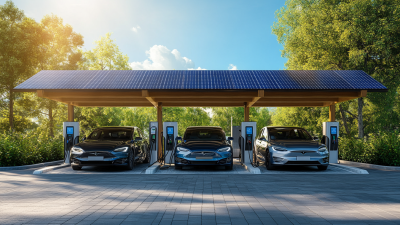
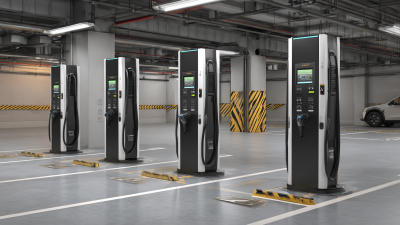
The rise of DC fast charging stations across the country reflects a significant shift in the electric vehicle (EV) infrastructure, addressing the growing demand for more efficient charging solutions. As electric vehicle adoption continues to increase, the need for a robust fast charging network becomes essential for easing range anxiety among users. DC fast chargers provide high-powered charging compatible with most EV models, allowing drivers to replenish their vehicle's battery in a matter of minutes rather than hours. This expansion supports not only urban commuters but also those traveling longer distances, making EVs a more viable option for all.
When considering the installation of a fast charging station, users should keep a few tips in mind. First, assess the location—installing a charging station near popular destinations can attract more users and create a valuable service for the community. Additionally, consider offering multiple charging ports to accommodate various vehicles simultaneously, thereby improving the efficiency of your service. Finally, stay informed about the advancements in charging technology. As the industry evolves, integrating future-ready systems can extend the lifespan and usability of your charging station.
As DC fast charging infrastructure continues to grow, it paves the way for a sustainable future in transportation. Cities and communities that invest in these charging solutions will not only enhance their mobility options but also contribute to reducing carbon footprints, fostering a cleaner environment for everyone. The increasing availability of fast chargers is a testament to the commitment towards a greener future, promoting electric vehicle use as a practical choice for consumers.
Growth of DC Fast Charging Stations in the U.S. (2018-2023)


 Phone
Phone Send Email
 whatsapp
 Facebook
 Youtube