How to Choose the Best 22kw DC EV Charger for Your Needs?
Choosing the right 22kw DC EV charger can be daunting. Many factors come into play. According to industry expert John Smith, “A good charger should fit your specific needs.” This highlights the importance of understanding what you truly require.
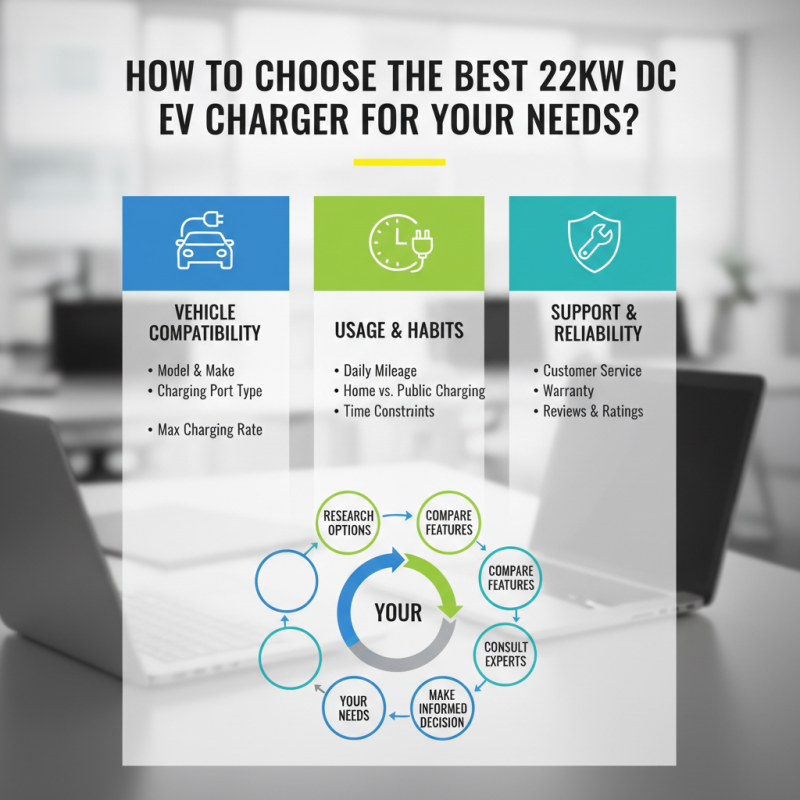
When selecting a 22kw DC EV charger, consider your vehicle's compatibility. Not all chargers are created equal. Some models offer faster charging, while others might lack essential features. Think about your daily usage and charging habits. What suits one driver may not work for another.
Also, remember the importance of reliable customer support. If something goes wrong, you’ll want assistance readily available. Be aware that even top models may have their flaws. Each charger presents unique advantages and potential downsides. Reflect on your choices to ensure you make an informed decision.
Understanding the Basics of 22kW DC EV Chargers
When choosing a 22kW DC EV charger, understanding the basics is crucial. These chargers deliver a powerful output, allowing electric vehicles to charge quickly. A 22kW charger can replenish an EV’s battery in 1-2 hours. This is significantly faster than standard AC chargers, which may take several hours for a complete charge.
It's important to note that the actual charging speed can vary. Factors such as the vehicle's battery capacity and state can affect the process. A report from the International Energy Agency shows that more than 10 million electric vehicles were sold globally in 2022. As the demand for fast charging grows, 22kW DC chargers are becoming more essential in public and private charging networks.
Charging infrastructure is not just about speed; compatibility is another key area to consider. Many newer models support 22kW charging, but older vehicles might not. Additionally, installation costs and required electrical upgrades can complicate decisions. According to the EV Charging Infrastructure Survey, 48% of respondents identified installation costs as a primary concern when choosing a charger. Thus, it’s vital to weigh both charging speed and compatibility against your specific needs.
Key Features to Consider When Selecting a 22kW DC Charger
When selecting a 22kW DC EV charger, consider power output. Chargers vary in their charging times and capabilities. Ensure the charger meets your vehicle's requirements. Some models may overheat or underperform. Investigate the maximum output to avoid limitations.
Durability is also critical. Look for chargers built for outdoor use. They should withstand weather conditions. A rugged design can prevent frequent repairs. Additionally, check if the charger has a robust warranty. Limited coverage might raise concerns.
Connectivity options might seem secondary, but they matter. Ensure the charger supports your network preferences. Wi-Fi and Ethernet can offer better monitoring. Meanwhile, look out for user-friendly interfaces. Complex setups can lead to frustration. Reflect on your long-term needs for upgrades.
Evaluating Installation Requirements for 22kW DC EV Chargers
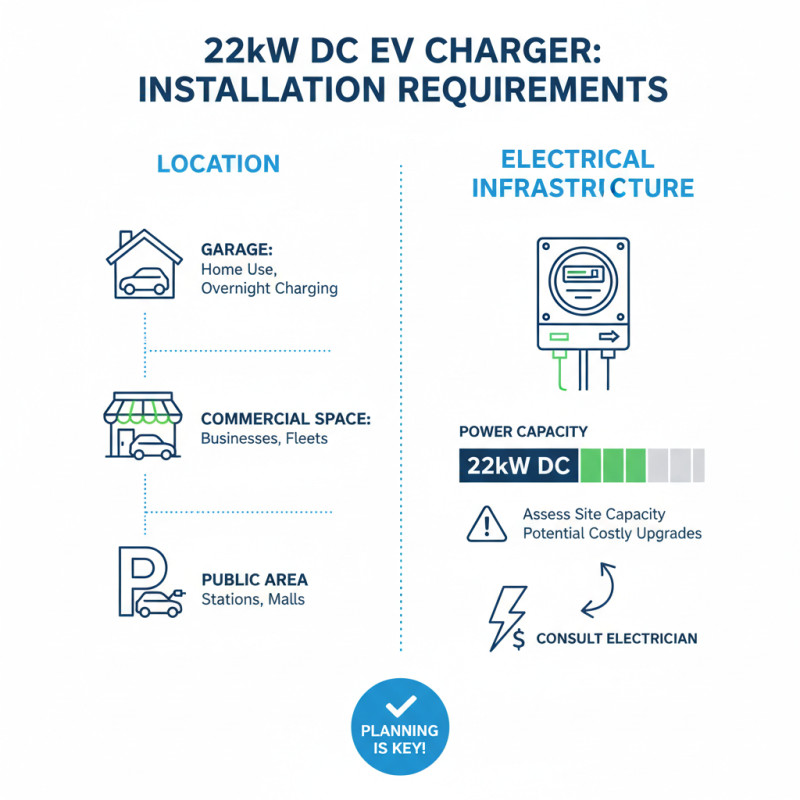
When evaluating the installation requirements for a 22kW DC EV charger, several factors come into play. Start by considering the location. Is it for a garage, a commercial space, or a public area? Each environment has unique needs. Next, assess the electrical infrastructure. Does your site have sufficient capacity to handle a 22kW charger? Upgrading electrical systems can be costly and time-consuming.
Once the site is determined, think about accessibility. Positioning the charger within reach of parked vehicles is crucial. The charging station should be easy to access for all users, especially for those with mobility challenges. Another aspect to consider is the distance to the main power supply. More distance can mean additional wiring costs and installation complexity, which can add up quickly.
Lastly, local regulations can impact your installation. Some areas may have specific codes governing EV charger setups. Check those requirements before proceeding. Installations can also face unexpected challenges, such as the need for trenching or permits. Taking time to evaluate installation requirements carefully can lead to a smoother setup and long-term user satisfaction.
Comparing Cost and Efficiency Among Different Charger Brands
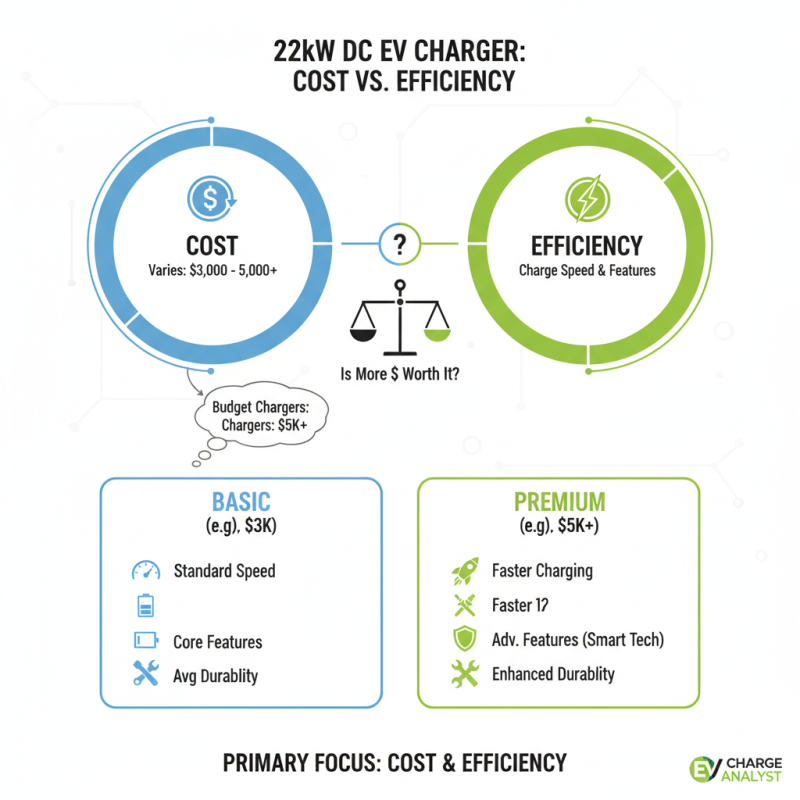
When choosing a 22kw DC EV charger, cost and efficiency should be the primary focus. Recent industry reports indicate that prices vary significantly across brands. Some chargers may cost about $5,000, while others are available for as low as $3,000. It’s crucial to consider the charging speed and availability of features. More expensive options might offer faster charging or better durability, but is it truly worth the additional expense?
Efficiency ratings can also differ. Some chargers boast an impressive 95% efficiency rate, while others remain as low as 85%. This means you could be wasting energy and money with a less efficient charger. Additionally, installation costs can add another layer of financial complexity. Reports show that installation can account for up to 30% of the total investment.
Understand your usage patterns. If you plan to charge frequently or operate a fleet of vehicles, it might justify a higher upfront cost. Reflect on your long-term needs. A lower initial investment could lead to higher operational costs later. Balancing the initial price against the efficiency and future expenses is essential to make a well-informed choice.
Assessing Compatibility with Your Electric Vehicle Model
Choosing the right 22kw DC EV charger begins with understanding your electric vehicle's requirements. Not all chargers are compatible with every EV model. According to a 2023 industry report, nearly 25% of EV owners experience compatibility issues when selecting a charger. This can lead to frustration and wasted resources. Ensure that the charger you consider supports your vehicle's charging standards.
Different electric vehicles use various protocols, such as CCS, CHAdeMO, and Tesla’s proprietary system. Each has unique specifications and benefits. For example, CCS is compatible with most European and American models. Meanwhile, CHAdeMO is preferred for Japanese cars. If your EV isn't compatible, you may need an adapter. However, not all adapters ensure efficient charging.
It's also essential to assess the charger’s features. Look for smart functions, like remote monitoring and scheduling. These allow for better energy management. Some chargers may seem attractive due to their cost, but they might offer limited functionalities. Be cautious; the cheapest option may not be the most effective. Compatibility isn’t just about connection; it’s about optimizing your EV’s performance and longevity.



 Phone
Phone Send Email
 whatsapp
 Facebook
 Youtube