How to Choose the Best EV Charging Equipment Manufacturers for Your Needs
When navigating the rapidly evolving landscape of electric vehicle (EV) charging, selecting the right charging equipment is critical for both individual users and businesses. As the demand for EVs continues to grow, the market is flooded with various options from numerous manufacturers. According to Andrew Smith, an expert in the EV industry and a consultant specializing in charging infrastructure, “Choosing the right EV charging equipment manufacturers is essential to ensure compatibility, efficiency, and long-term reliability of your charging solutions.” This statement emphasizes the importance of making informed decisions when evaluating your charging needs.
In this context, understanding the key factors that distinguish leading EV charging equipment manufacturers becomes crucial. Elements such as product quality, technological innovation, after-sales support, and customer reviews can significantly influence your choice. As we explore the landscape of EV charging solutions, we will delve into best practices for assessing these manufacturers, ensuring that you find the perfect balance of performance and value for your specific requirements. With the right guidance, you can develop a robust charging strategy that meets your current needs and supports future growth in the EV sector.

Understanding Your EV Charging Needs and Requirements
When selecting the best EV charging equipment manufacturers, understanding your specific charging needs and requirements is crucial. According to a recent report from the International Energy Agency (IEA), the global electric vehicle (EV) stock hit 10 million in 2020, and this number is projected to increase significantly. This surge in EV adoption necessitates various types of charging infrastructure tailored to different users, whether for residential, commercial, or public charging purposes. Knowing whether you require Level 1, Level 2, or DC fast charging options can help narrow down your choices and ensure that you select equipment that aligns with your daily driving habits and vehicle capabilities.
Another critical aspect to consider is power capacity and charging speed. A study published by BloombergNEF indicates that over 60% of EV owners prefer charging at home, where Level 2 chargers can provide a convenient and efficient solution. However, for public or commercial charging needs, you might want to invest in DC fast chargers, which can deliver up to 350 kW, allowing for rapid turnaround times. Additionally, consider factors such as the availability of smart charging features that optimize energy consumption and integrate with renewable energy sources. By carefully assessing your charging requirements, you can choose manufacturers whose offerings best match your needs, ensuring a seamless EV charging experience.
Evaluating the Reputation and Experience of Manufacturers
When selecting EV charging equipment manufacturers, evaluating their reputation and experience is crucial. A manufacturer’s reputation in the market often reflects the quality and reliability of their products. Researching customer reviews, industry ratings, and testimonials can provide insights into how well their equipment performs in real-world scenarios. A company with a strong reputation is more likely to have a proven track record of delivering efficient, durable products that meet the needs of various consumers.
Experience is another key factor to consider. Manufacturers with years of industry experience tend to have a deeper understanding of the technology and challenges involved in EV charging solutions. They likely have refined their designs and production processes over time, leading to greater innovation and improved performance. Additionally, experienced manufacturers are more adept at navigating regulatory requirements and ensuring that their products comply with safety standards. By focusing on those with a solid foundation and extensive experience, buyers can make informed decisions that enhance their EV charging investments.
Comparison of EV Charging Equipment Manufacturers
Comparing Features and Specifications of Charging Equipment
When selecting an electric vehicle (EV) charging station, understanding the features and specifications of different equipment is crucial in making an informed choice. A key consideration is charging speed, typically measured in kilowatts (kW). Level 2 chargers, for instance, can provide up to 19.2 kW, allowing for significant charging within a short period. According to the International Energy Agency (IEA), faster charging stations can reduce EV downtime and improve user convenience, which is particularly vital for commercial operations where time is money.
Another important specification to examine is the compatibility with various EV models. Most current charging stations support both Type 1 and Type 2 connectors, catering to a wide variety of vehicles. Additionally, features such as smart technology integration, which allows for remote monitoring and energy management, have become increasingly popular. A report by BloombergNEF highlights that smart chargers can optimize charging times based on electricity rates, contributing to overall cost savings for users.
Moreover, durability and weather resistance are essential aspects, especially for stations intended for outdoor installation. According to a recent report from the EV Infrastructure Coalition, equipment with higher IP ratings ensures a longer lifespan and consistent performance in harsh conditions. Therefore, analyzing these features not only enhances user experience but also aligns with the broader goal of promoting EV adoption and reducing carbon emissions.
How to Choose the Best EV Charging Equipment Manufacturers for Your Needs
| Feature |
Option A |
Option B |
Option C |
| Charging Speed (kW) |
7.2 |
11 |
22 |
| Connector Type |
Type 1 |
Type 2 |
CCS |
| Smart Features |
No |
Yes |
Yes |
| Wi-Fi Enabled |
No |
Yes |
Yes |
| Mobile App Support |
No |
Yes |
Yes |
| Warranty Period (Years) |
1 |
2 |
3 |
Analyzing Price Models and Total Cost of Ownership
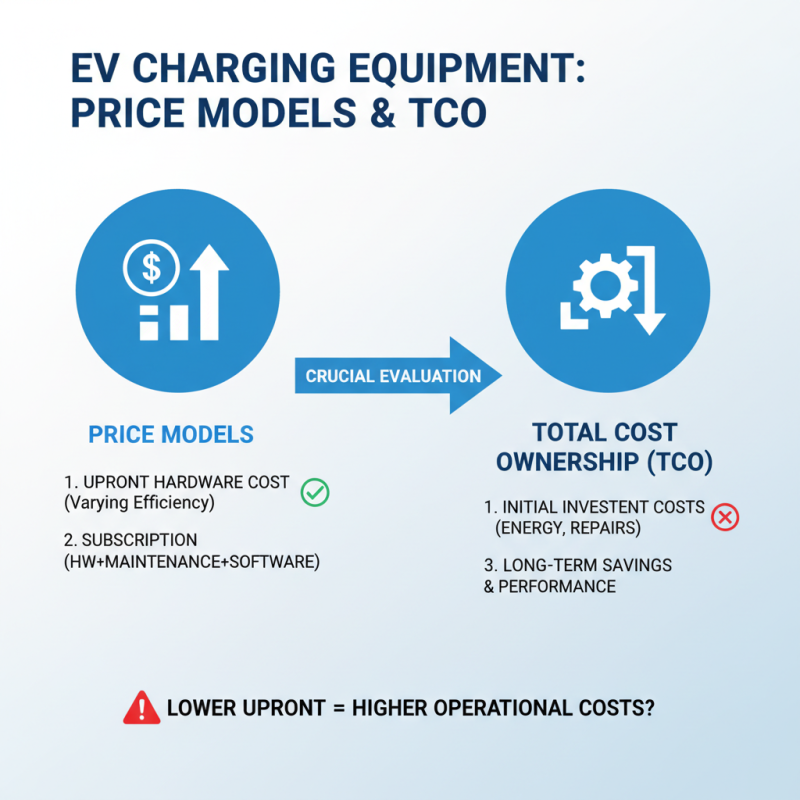
When evaluating EV charging equipment manufacturers, understanding their price models and total cost of ownership (TCO) is crucial for making an informed decision. Price models can vary significantly among manufacturers, with options ranging from upfront costs for the hardware to subscription-based services that include maintenance and software updates. It's essential to analyze whether the initial investment aligns with long-term savings and performance. Some manufacturers may offer lower upfront prices but could incur higher operational costs due to less efficient technology or higher energy consumption.
Total cost of ownership encompasses not just the initial purchase price but also installation costs, operational expenses, maintenance, and potential downtime. Factors such as ease of installation and compatibility with existing infrastructure can influence the overall TCO significantly. For instance, a more expensive charging solution upfront may lead to lower electricity bills and reduced maintenance costs over time, highlighting the importance of calculating the long-term implications of your choice. A thorough analysis of these elements will ensure that the selected EV charging equipment meets not only immediate needs but also offers sustainable financial benefits in the long run.
Assessing Customer Support and Warranty Services Offered
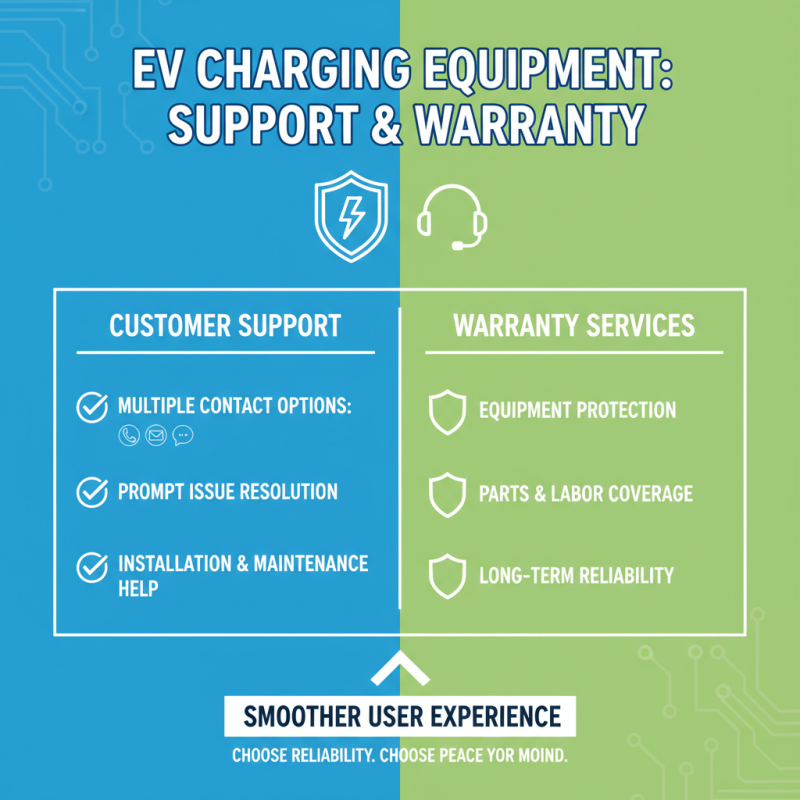
When selecting an EV charging equipment manufacturer, understanding the level of customer support and warranty services they offer is crucial. A robust support system can significantly enhance your experience, especially when issues arise or when you need help with installation and maintenance. Look for manufacturers that provide comprehensive customer service with multiple contact options, including phone, email, and online chat. Prompt and efficient customer support not only resolves problems swiftly but also contributes to a smoother overall user experience.
Tips: Before making a decision, consider reaching out to the manufacturer’s support team with questions. This interaction can give you insight into their responsiveness and willingness to assist. Additionally, assess the warranty services provided. A strong warranty not only offers peace of mind but also reflects the manufacturer’s confidence in their product quality. Review the warranty terms carefully, noting the length of coverage and specific components included, as this can save you money and hassle in the long run.
While evaluating different manufacturers, don’t forget to read customer reviews about their support experiences. Real-life feedback can highlight potential issues with service consistency and reliability. A manufacturer with positive customer testimonials is more likely to stand by their products and ensure customer satisfaction throughout your EV charging journey.



 Phone
Phone Send Email
 whatsapp
 Facebook
 Youtube