How to Choose the Best EV Charging Equipment Manufacturers for Your Needs?
Choosing the right EV charging equipment manufacturers is crucial. This decision impacts your electric vehicle experience significantly. With many options available, it can feel overwhelming.
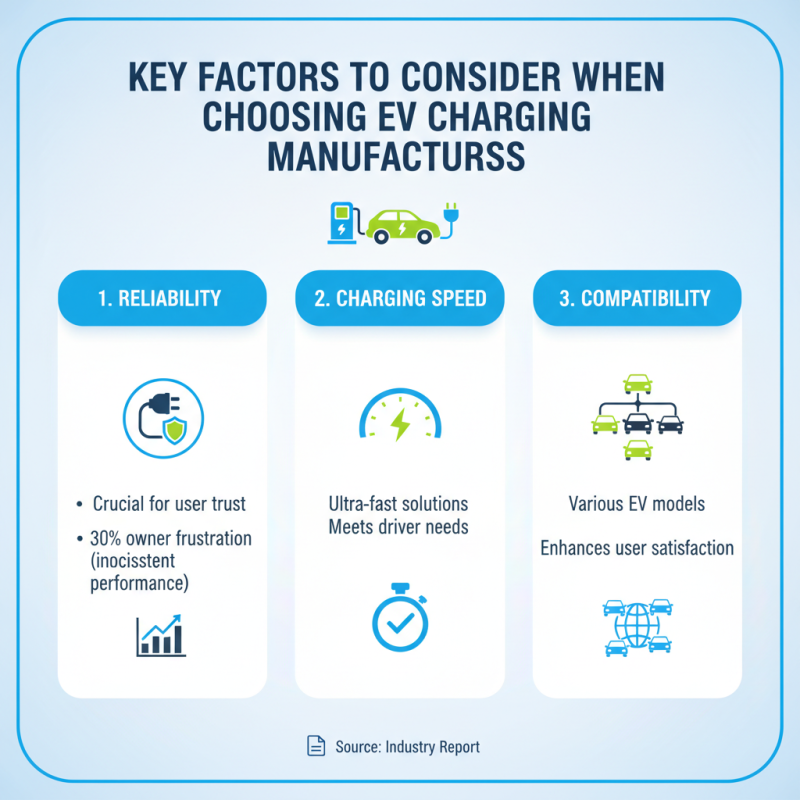
Consider what you need. Do you prioritize speed, cost, or reliability? Each manufacturer offers unique features. Some focus on fast charging; others emphasize durability. Understanding these nuances is essential to finding the right fit.
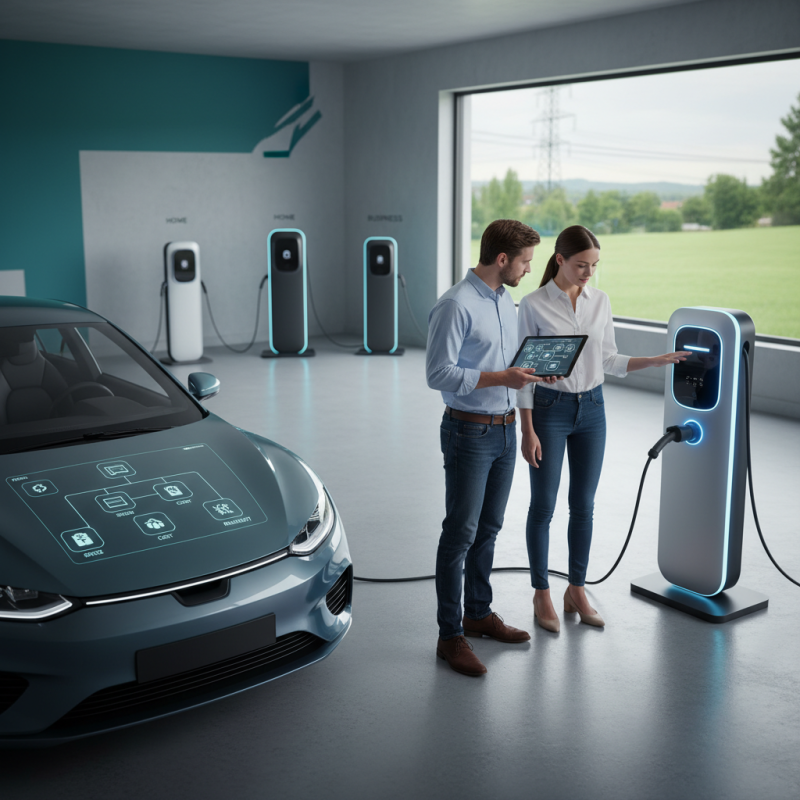
It’s also important to reflect on your long-term goals. Are you planning for a home system or a business setup? Different needs will guide you to different manufacturers. Be aware that not every brand will meet your expectations. Research thoroughly to avoid potential regrets.
Understanding Different Types of EV Charging Equipment Available
When selecting EV charging equipment, it’s crucial to understand the various types available.
Level 1 chargers are the simplest. They use a standard home outlet and typically provide 4-5 miles of range per hour. Ideal for overnight charging, these are perfect for low-mileage drivers.
Level 2 chargers are more robust. These units require a dedicated 240-volt circuit and can deliver about 25 miles of range in the same hour.
Data from industry reports reveal that Level 2 chargers are rapidly gaining traction. Their installation is prevalent in commercial settings, especially where high turnover is common.
Fast charging stations, known as DC fast chargers, are worth considering for businesses. They can deliver 60-80 miles of range in just 20 minutes. It's vital to consider your user base's needs. You might over-invest in infrastructure that isn't needed.
Tip: Assess charging speed against your typical needs. If your vehicles are often parked for longer periods, Level 2 may suffice. However, for a bustling fleet, fast chargers could maximize uptime.
Tip: Keep an eye on installation costs. While the types of chargers may cater to specific needs, finding an economical installation without sacrificing quality is essential. Balancing cost and efficiency is key.
Evaluating Manufacturer Reputation and Customer Feedback
When selecting EV charging equipment, reputation matters. A manufacturer’s track record reflects reliability. Look for companies with proven experience. Customer feedback can reveal important insights about performance and support.
Tips: Read online reviews. Focus on recent experiences. A series of unresolved issues can indicate deeper problems. Combine this with professional ratings to get a clearer picture.
It's essential to weigh both positive and negative feedback. A few complaints might be normal, but consistent patterns should raise alarms. Sometimes, manufacturers with high ratings may lack customer service, which is crucial after the sale.
Tips: Seek out user forums. Engage with current users about their experiences. Their practical insights can guide your decision. Trust the community to highlight strengths and weaknesses.
Assessing Technical Support and Warranty Options
When selecting EV charging equipment, evaluating technical support and warranty options is crucial. Reports indicate that 30% of users experience issues within the first year. This highlights the importance of reliable customer support. A strong support system ensures quick resolutions, keeping operations smooth.
Tips for assessing support options: Check for 24/7 availability. Read user reviews to gauge satisfaction levels. Also, consider if they offer remote assistance. This can save time and reduce downtime.
Warranty coverage is another key factor. Many manufacturers offer only one year. Consider those with extended warranties. A longer warranty can signify confidence in product durability. Some reports show that 70% of charging issues stem from installation errors. Ensure manufacturer support includes installation advice. It’s an overlooked aspect that can save future headaches.
EV Charging Equipment Manufacturers Comparison
Analyzing Cost and Installation Requirements for Charging Solutions
When exploring EV charging solutions, cost and installation requirements are critical factors. Choose equipment that fits your budget while meeting your needs. Prices can vary widely. Installation costs can also add up. Higher-end models might offer advanced features but could lead to higher installation fees.
Consider the electrical infrastructure of your location. Some homes require upgrades to support new charging stations. This can increase initial costs significantly. It's essential to evaluate local permits and regulations as well. These steps might feel overwhelming. The right approach combines research and planning.
Reflect on your long-term needs as well. Will your charging demand increase in the future? Your choice today must accommodate upgrades later. It's easy to overlook this aspect. However, it's vital to choose a system that is scalable. Look for features that can adapt as technology changes. Balancing cost and future-proofing is a challenge, but it’s essential for a successful EV charging setup.




 Phone
Phone Send Email
 whatsapp
 Facebook
 Youtube