How to Choose the Best Ev Wallbox for Your Home?
As electric vehicles (EVs) gain popularity, choosing the right EV Wallbox for home charging becomes crucial. According to industry reports, the global EV market is projected to grow at a compound annual growth rate (CAGR) of 22.6% from 2021 to 2030. With this rapid growth, effective home charging solutions are essential for EV owners.
When considering an EV Wallbox, several factors come into play, including charging speed, compatibility, and installation costs. Research indicates that a Level 2 charger can deliver 10 to 60 miles of range per hour, making it a significant upgrade over basic outlets. However, many homeowners overlook the nuances of installation requirements and electrical capacity. Hence, it's vital to evaluate your home's electrical system before purchase.
Not all EV Wallboxes are created equal. Some may promise quick charging but fail to meet user needs. It's important to research various models, read reviews, and consult with professionals to ensure that your chosen charging station aligns with your lifestyle. In the journey of adapting to EVs, reflecting on personal charging habits can help you make a more informed choice.
Understanding Your Electric Vehicle Charging Needs
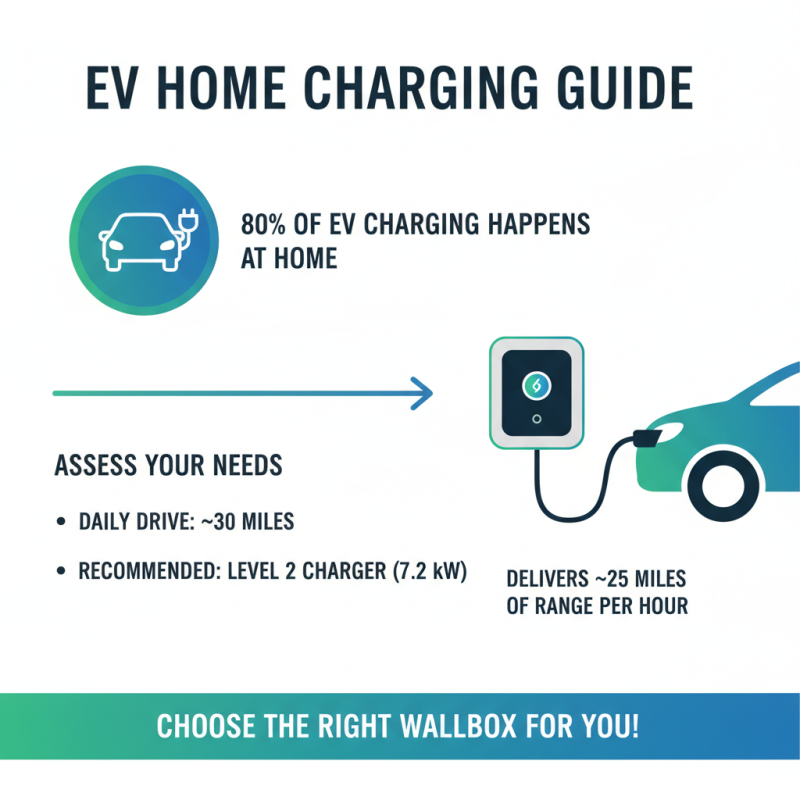
Understanding your electric vehicle (EV) charging needs is crucial for choosing the best EV wallbox. Data shows that about 80% of EV charging occurs at home. Therefore, assessing your daily driving habits is vital. If you drive an average of 30 miles daily, a Level 2 charger with a capacity of 7.2 kW may suffice. This charger can deliver about 25 miles of range per hour.
Consider your vehicle's battery size as well. For instance, a 60 kWh battery typically requires around 8 to 10 hours to fully charge from a standard outlet. If your situation demands faster charging, you might need a higher capacity wallbox. However, only 40% of homes are equipped with the necessary electrical infrastructure to support these high-capacity chargers. Reflecting on electrical upgrades may be necessary.
Also, think about future needs. Trends indicate that the EV market will grow significantly, with projections estimating over 30 million EVs on the road by 2030. This growth means your charging needs can evolve. A flexible wallbox with adjustable amperage may serve you better over time. Balancing current requirements with future potential is a challenge but essential for a smart investment.
Evaluating Different Types of EV Wallbox Chargers
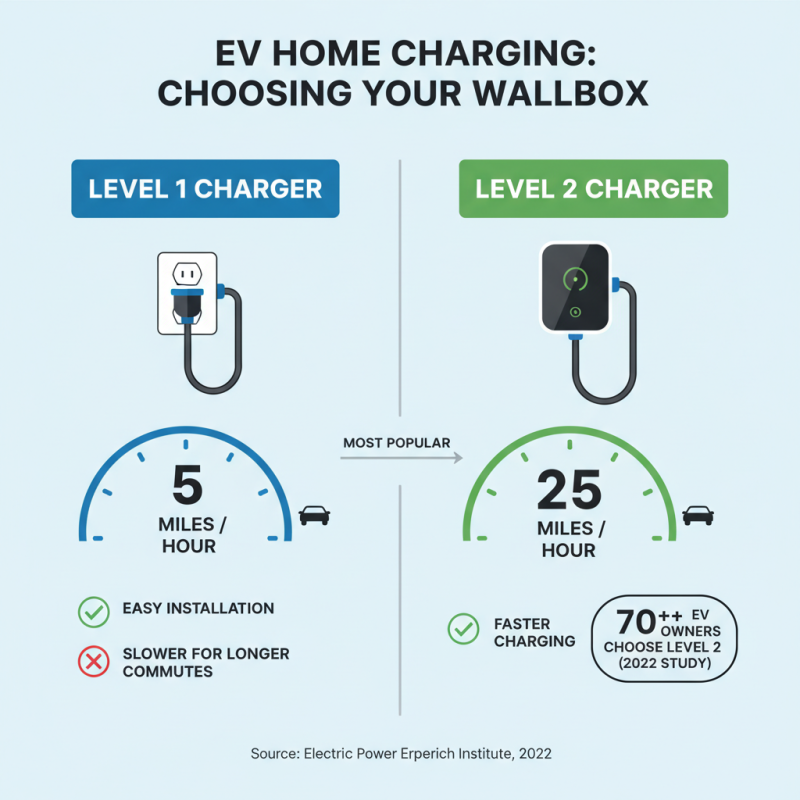
When selecting an EV wallbox for home charging, it’s essential to evaluate different types of chargers available in the market. Level 1 chargers offer a modest charging speed, typically providing about 5 miles of range per hour. While they are easy to install, they may not meet the needs of all users, especially those with longer commutes. On the other hand, Level 2 chargers are more efficient, delivering around 25 miles of range per hour. This versatility makes them a preferred choice for most EV owners. In fact, according to a 2022 study by the Electric Power Research Institute, over 70% of EV owners opt for Level 2 solutions for home use.
Moreover, DC fast chargers stand out by providing rapid charging, often replenishing an EV’s battery to 80% in just 30 minutes. However, they require more substantial electrical setups and are less common for home use. A survey by the International Energy Agency found that only 15% of homeowners consider installing DC fast chargers due to installation complexity and costs. Evaluating the power supply and installation requirements is crucial, as neglecting them can lead to underutilization of the charger.
Homeowners' needs vary widely based on driving habits. Not all users require fast charging. Some may benefit from slower rates if they charge overnight. It’s vital that potential buyers reflect on their actual usage patterns. A Wallbox can be an investment that pays off, but it requires thoughtful consideration of personal and practical factors.
Key Features to Look for in an EV Wallbox
When selecting an EV wallbox, several key features matter significantly. Charging speed is crucial. Many wallboxes offer varying power levels, ranging from 3.7 kW to 22 kW. A study by the Department of Energy found that a 7.2 kW wallbox can reduce charging time by more than half compared to standard outlets. This could easily mean the difference between an overnight charge and needing additional time.
Smart capabilities enhance convenience. Look for Wi-Fi or Bluetooth connectivity. This allows you to monitor your charging remotely. The latest reports indicate that homes equipped with smart chargers see a 30% reduction in overall charging costs. Additionally, consider energy management features. A wallbox that integrates with home solar systems can optimize energy use. This may result in even lower energy bills.
Safety features cannot be overlooked. Protecting your investment is vital. Many models include overcurrent protection and thermal management systems. According to industry research, chargers with advanced safety features can prevent up to 90% of malfunction incidents. Reflect on your home's electrical capacity as well. An inadequate system might limit your wallbox's performance.
Installation Requirements and Considerations for Home Use
When choosing an ev wallbox for home use, installation requirements are crucial. Many homeowners overlook this aspect, which can lead to complications. Proper wiring is essential. According to the U.S. Department of Energy, a dedicated 240-volt circuit is often recommended. This ensures that the wallbox can handle the charging load efficiently.
Space is another concern. The wallbox should be installed close to the vehicle's parking spot. This minimizes cable length, reducing potential hazards. It's important to consider local codes and regulations as well. Some areas require permits for electrical work. Ignoring these can lead to fines or unsafe conditions.
Moreover, the location should be sheltered from the elements. Extreme temperatures can affect the wallbox's performance. A shaded spot is ideal, reducing strain on the device. Homeowners often forget to calculate the available amperage. Many homes lack sufficient capacity to support high-power chargers. This detail can lead to wasted investments and frustration.
Installation Requirements and Considerations for Home Use
Comparing Costs and Warranty Options for EV Wallboxes
When choosing an EV wallbox for your home, costs and warranty options can significantly influence your decision. A recent industry report from the International Energy Agency (IEA) states that the average price of a home charging station ranges from $300 to $1,200. This price varies based on features like charging speed and installation complexity. Expect to pay up to $500 for professional installation.
Tips: Consider local incentives. Some areas offer rebates that can lower your initial costs. Research local electricians for installation estimates. A good installation can save future headaches.
Warranty options are another critical factor. Most wallboxes come with warranties ranging from 1 to 3 years. However, some manufacturers offer extended warranties, which may cover parts, labor, or both. According to a 2022 EV Report, consumers often overlook warranty terms.
Tips: Always read warranty details. Know what it covers. Understand the procedure for claims. It pays off to be informed. Focus on reliability rather than the lowest price alone. A wallbox is an investment, and its longevity hinges on thorough analysis and planning.





 Phone
Phone Send Email
 whatsapp
 Facebook
 Youtube