How to Choose the Best Home Vehicle Charging Station?
Choosing the right Home Vehicle Charging Station is crucial for electric vehicle owners. John Smith, an industry expert, once stated, "A proper charging station makes all the difference in your EV experience." With many options available, finding the ideal station can feel overwhelming.
Home Vehicle Charging Stations vary significantly in features, pricing, and installation. It's essential to consider factors like charge speed and compatibility with your vehicle. Some stations offer advanced smart features, while others focus on basic efficiency. It’s easy to overlook these details, leading to regrets later.
Additionally, the logistics of installation matter. Poor placement can result in inconvenient use. Experts often emphasize the importance of wall placement and accessibility. The decision process can be daunting. Reflecting on your daily routine can lead to stronger choices. After all, the goal is to enhance your EV experience, not complicate it.
Understanding Your Electric Vehicle Charging Needs
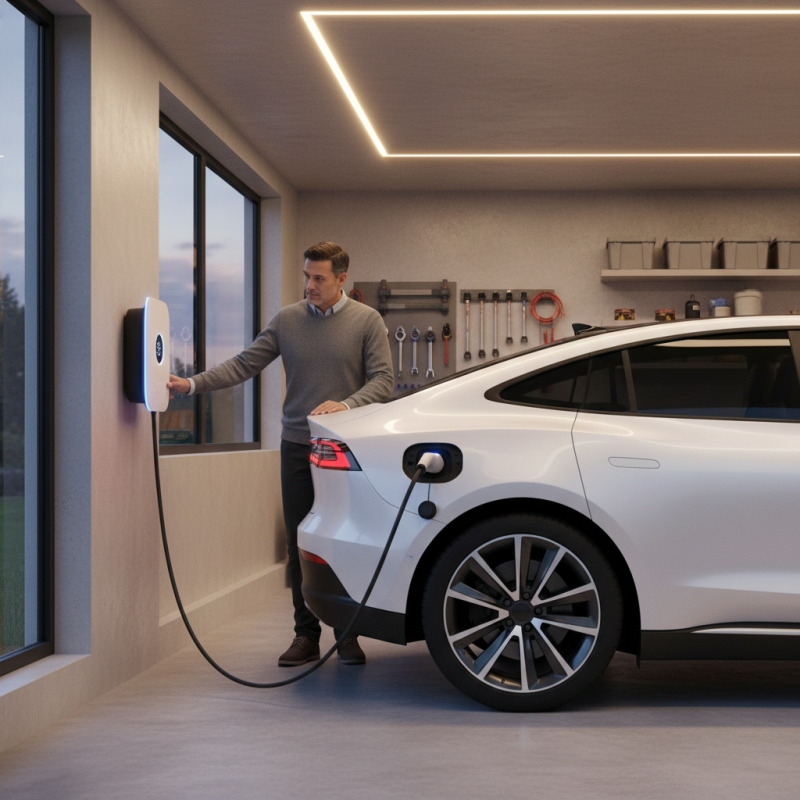
Understanding your electric vehicle (EV) charging needs is crucial when selecting a home charging station. Data shows that the average EV driver charges their vehicle overnight, with a typical charging time of 7-8 hours for most models. This highlights the importance of having a compatible home charger that can handle the battery capacity of your EV.
Consider your daily driving habits. If you drive 30 miles a day, a Level 2 charger, providing up to 10-60 miles of range per hour, may suit you. On the other hand, if you frequently travel longer distances, a faster charger is necessary. Reports suggest that homes with Level 2 chargers see a significant drop in reliance on public charging stations, making ownership more convenient.
Tip: Assess your electrical system's capacity before installation. A home with older wiring might require upgrades to support a Level 2 charger.
Another factor to consider is the charging location. Is it easily accessible? Are there suitable spots in your garage or driveway? A survey noted that 63% of EV owners prefer chargers near their front door or garage, emphasizing convenience.
Tip: Ensure the charger has safety features like surge protection. This can protect your electric vehicle and home from potential electrical surges.
Choosing the right charging station involves careful thought. It’s not just about speed; it’s about fitting seamlessly into your lifestyle.
Electric Vehicle Charging Station Preferences
Types of Home Charging Stations Available
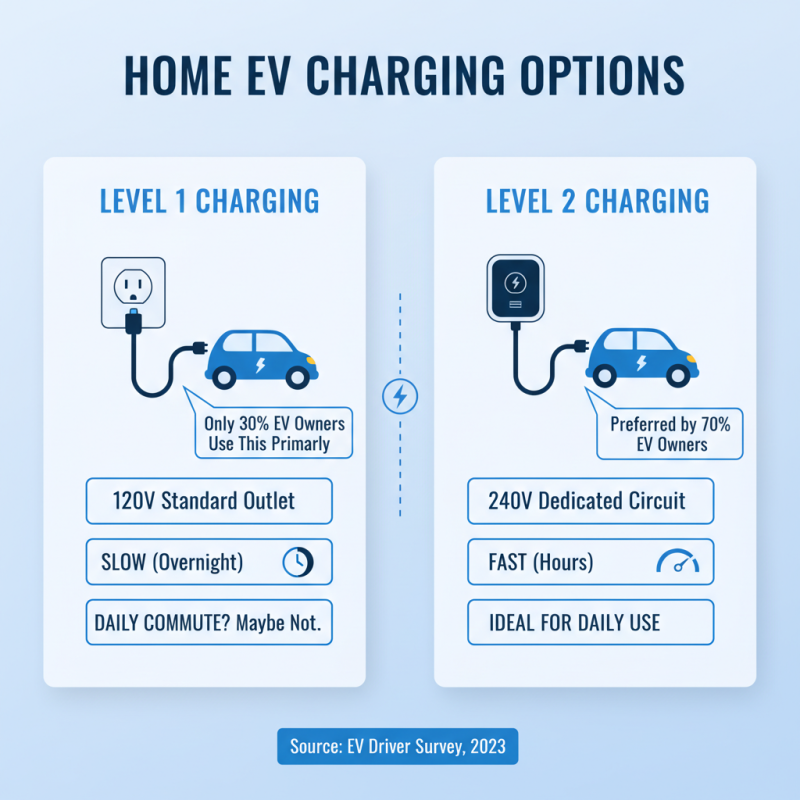
When considering the types of home charging stations available, it's essential to understand their features and functionalities. Level 1 chargers use a standard 120-volt outlet. They are slow and suitable for overnight charging. However, they may not meet the needs of daily commuters. Studies show that 70% of electric vehicle (EV) owners prefer faster charging solutions.
Level 2 chargers are a popular choice. They operate on a 240-volt outlet, offering quicker charging times. These can recharge a vehicle in about 4-8 hours. According to industry analysis, homes with Level 2 chargers increase property value by up to 5%. This is a significant factor for future home buyers.
Tips: Consider your daily driving distance. If you travel over 30 miles daily, a Level 2 station is likely beneficial. Installation might require additional electrical work. This could add to overall costs. Evaluate your budget carefully. Understand that some regions offer incentives for installing home charging stations. This could lead to substantial savings. Reflect on your future plans too. Will you keep your current vehicle? Or will you expand your electric fleet? Making the right choice now can save you time and money later.
Key Features to Consider When Choosing a Charger
Choosing the right home vehicle charging station requires careful thought. Several key features can make a significant difference. One essential aspect is the charging speed. Look for a charger that matches your vehicle's capabilities for faster charging. A Level 2 charger typically offers a quicker charge than Level 1. Make sure to consider your daily driving habits when selecting speed.
Another crucial feature is the ease of installation. Some chargers require professional installation, while others can be set up easily at home. Check for compatibility with your electrical system. Sometimes, upgrades might be needed, which can increase costs.
Tips: Always ensure the charger is compatible with your vehicle. Think about future needs as well. Will you upgrade your vehicle soon? Plan for that. Also, consider smart charging options. They offer convenience and energy management.
Finally, safety features cannot be overlooked. Look for chargers that come with built-in safety mechanisms. Overcurrent protection and temperature control are important. This will give you peace of mind during use. Remember, a well-chosen charging station is an investment in your vehicle and home.
How to Choose the Best Home Vehicle Charging Station? - Key Features to Consider When Choosing a Charger
| Feature |
Importance |
Details |
| Charging Speed |
High |
Measured in kW, affects how quickly your vehicle can charge. |
| Connector Type |
High |
Ensure compatibility with your vehicle. |
| Smart Features |
Medium |
Remote monitoring, scheduling, and usage tracking. |
| Installation Requirements |
High |
Electrical requirements and installation fees may vary. |
| Safety Features |
High |
Overcurrent protection, temperature monitoring, etc. |
| Warranty & Support |
Medium |
Look for good warranty terms and customer support options. |
| Price |
High |
Reflects features and capabilities; consider value. |
Installation Requirements and Considerations
When installing a home vehicle charging station, several requirements must be considered.
First, check the electrical capacity of your home. You may need to upgrade your electrical panel to handle the added load. This can get costly, so budget accordingly. Also, ensure your wiring can support the charger’s power levels. Inspect circuit breakers for compatibility as well.
Location is equally crucial. Place the station within reach of your parking space. Consider the convenience of connecting your vehicle without hassle. Avoid spots that may obstruct pathways or pose safety concerns. Outdoor stations need weatherproof enclosures if you'll be using them outside.
You might also want to think about permits. Some areas require permits for installation. Research local regulations to prevent future headaches. It's worth asking a professional electrician for guidance here. Their expertise can help avoid mistakes that could lead to delays or damage. Planning this out can save time and stress later on.
Cost and Incentives for Home Charging Stations
When selecting a home vehicle charging station, understanding costs and available incentives is crucial. The average cost of a home charging station ranges from $300 to $1,500. Installation costs may add another $1,000, depending on electrical requirements. A study by the U.S. Department of Energy indicates that federal tax credits can cover up to 30% of the installation costs.
Many states offer additional incentives. Some provide rebates or tax credits, which can significantly reduce upfront expenses. For example, California offers incentives up to $1,000. It’s essential to research local incentives before making a purchase.
Tips: Check for incentive programs in your area. Contact local utilities for additional discounts. Keep in mind, there may be hidden fees during installation. Ensure your contractor provides a detailed quote.
Before finalizing your decision, consider your long-term savings. Charging at home can lower fuel costs by up to 60%. It's vital to assess your daily driving needs. Using an EV eases fuel expenses but requires proper planning. Understanding these financial factors can enhance your home charging experience.




 Phone
Phone Send Email
 whatsapp
 Facebook
 Youtube