How to Choose the Right Business Electric Vehicle Charging Solution?
Choosing the right Business Electric Vehicle Charging solution can greatly impact your operations. As more companies transition to electric vehicles, the demand for reliable charging options has grown. Selecting the appropriate charging solution is crucial for efficiency and cost-effectiveness.
Business Electric Vehicle Charging options vary greatly. Different environments, from small offices to large fleets, require tailored approaches. It's essential to analyze specific needs, such as charging speed and availability. Not every solution fits every business. Understanding infrastructure limitations, budget constraints, and user expectations is vital.
Consider future scalability when choosing a charging solution. Businesses may start with few electric vehicles but could expand rapidly. The right charging infrastructure should support this growth. As we navigate this evolving landscape, it’s essential to reflect on both immediate needs and long-term goals. Balancing these factors can help create a sustainable business model.
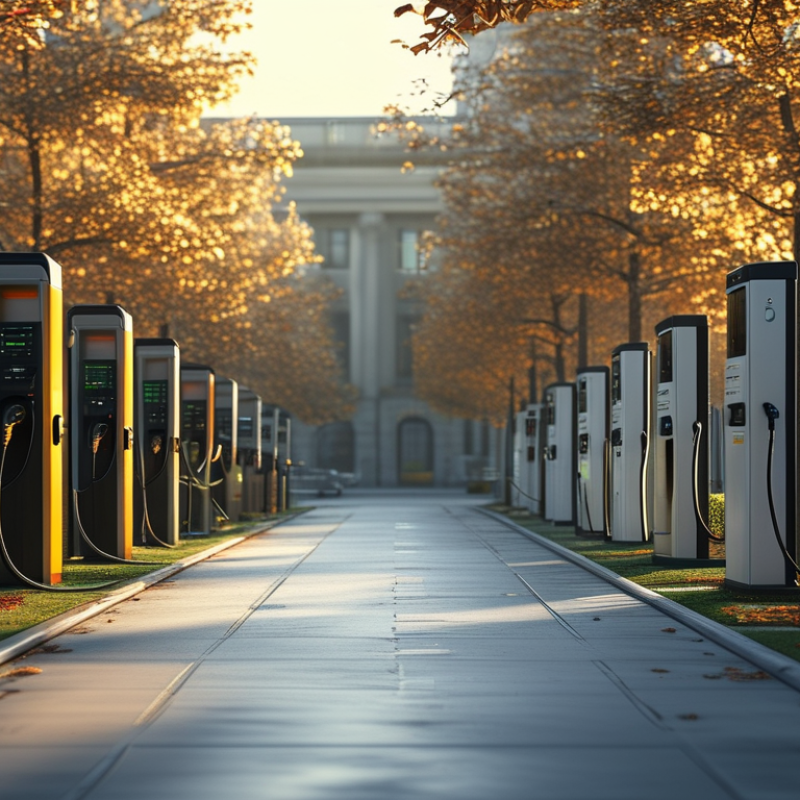
Understanding the Importance of Electric Vehicle Charging Solutions for Businesses
Electric vehicle (EV) charging solutions play a crucial role in the modern business landscape. With the push for sustainability, having a reliable charging option can enhance a company's image. It demonstrates a commitment to green energy. Many businesses overlook this need until it becomes critical. Ignoring your charging infrastructure could hurt your operational efficiency.
Choosing the right charging solution is not just about installation costs. Understanding the energy requirements is vital. Different vehicles have various charging needs. A business must assess its fleet composition to make informed choices. Additionally, location matters. Placing charging stations in strategic spots can improve accessibility for employees and clients. However, not all locations are ideal. Evaluating traffic patterns can help in decision-making.
Furthermore, businesses face challenges in integrating charging technology. Compatibility issues can arise with new EVs. Keeping up with advancements in charging technologies is essential. Some solutions may become outdated quickly. Decision-makers must stay informed about evolving standards and practices. Embracing change can lead to better efficiency and user satisfaction. Yet, this also raises questions about the adaptability of existing infrastructure. Balancing innovation with practicality is a constant challenge.
Assessing Your Business Needs and Electric Vehicle Usage Patterns
Assessing your business needs is essential when selecting an electric vehicle charging solution. Start by evaluating your fleet size and the types of vehicles in operation. Are they primarily used for short deliveries or longer trips? Understanding these patterns will help clarify the charging requirements. For instance, businesses with electric vans making local deliveries may need fewer high-speed chargers compared to those with larger fleets covering vast distances.
Consider the daily usage patterns of your vehicles. Are they parked at your facility overnight, or do they have varying schedules throughout the day? If the majority of charging occurs during off-peak hours, investing in smart charging solutions could optimize energy costs. Track how often vehicles are on the road and return to the base. Such insights assist in determining charger locations and the number of chargers needed.
It’s important to recognize gaps in your current charging setup. Perhaps there isn't enough capacity to support your growing fleet. This could lead to downtime and decreased productivity. Regularly reviewing usage and seeking feedback from your drivers may reveal additional charging needs. These reflections will ensure your business stays ahead in the electric vehicle transition.
Electric Vehicle Charging Solutions Usage Patterns
Evaluating Different Types of Charging Stations Available in the Market
When considering the various electric vehicle (EV) charging solutions available today, businesses must evaluate several types of charging stations. Level 1 chargers are easy to install and require just a standard 120-volt outlet. These chargers are best for overnight charging, making them ideal for small businesses or fleets parked overnight. However, they are slower and may not meet the needs of high-traffic environments.
Level 2 chargers present a more robust option, as they operate on 240 volts. These chargers can significantly reduce charging times, making them suitable for locations with higher turnover. Many businesses recognize the value in these systems, particularly with their ability to support multiple vehicles simultaneously. However, installation costs and electrical upgrades can pose challenges for some organizations.
DC fast chargers are the most powerful, offering speed that can fully charge a vehicle in under an hour. While they may be necessary for public charging stations or busy fleet operations, they come with a high price tag. The availability of space and electrical capacity becomes a critical consideration. Each type has its unique set of benefits and challenges, which requires careful reflection on specific business needs and budgetary constraints.
Considering Charge Time, Cost, and Installation Options for Your Location
Choosing the right business electric vehicle charging solution involves careful consideration of charge time, cost, and installation options. Charge time is crucial. Different vehicles have varying charging speeds. Quick chargers save time but can be more expensive. Slower chargers might be cheaper but can lead to delays in operations. Assess your fleet's usage patterns to determine the best fit for your business needs.
Cost is another significant factor. Initial installation can be hefty, but businesses must also consider ongoing expenses. Electricity rates fluctuate, and incentives might be available for greener solutions. Additionally, the location of your charging stations affects installation costs. Urban areas might face higher expenses due to infrastructure challenges. Rural locations could present fewer obstacles but may require longer cable runs, impacting installation efficiency.
Installation options can vary widely based on your location and specific needs. Some areas offer extensive support for installations, while others may lack sufficient infrastructure. Understanding local regulations is vital as well. These factors may lead to unexpected challenges, such as delays or additional costs. It's essential to engage with professionals who can guide you through this complex landscape, ensuring a reliable and sustainable charging solution.
How to Choose the Right Business Electric Vehicle Charging Solution?
| Charging Solution |
Charge Time (Hours) |
Cost per Installation ($) |
Location Suitability |
Maintenance Requirement |
| Level 1 Charger |
8-12 |
300 |
Home/Small Business |
Low |
| Level 2 Charger |
4-6 |
500-2000 |
Commercial/Industrial |
Medium |
| DC Fast Charger |
0.5-1 |
15,000-40,000 |
High Traffic Areas |
High |
| Solar Charging Station |
Variable |
10,000-25,000 |
Eco-Friendly Locations |
Medium |
Identifying Future-Proof Solutions for Growing Electric Vehicle Fleets
As electric vehicle (EV) adoption surges, selecting the right charging solution has become crucial for businesses. Industry reports indicate that the global EV market is expected to surpass 23 million units by 2030. This rapid growth necessitates future-proof charging solutions that can adapt to increasing fleet sizes.
Beyond just quantity, understanding charging infrastructure is vital. Many businesses rely on Level 2 chargers for their fleets, which provide a balance of charging speed and cost-effectiveness. However, installing DC fast chargers may prove beneficial for larger fleets that require quicker turnaround times. A survey from the International Energy Agency revealed that 60% of companies are considering upgrading their charging infrastructure within the next five years.
Investing in cloud-connected chargers can pave the way for efficient fleet management. These systems can provide real-time data on charging status and energy consumption. This data can help identify patterns, optimize energy use, and reduce costs.
Consider the placement of chargers. Accessibility for employees is important. Ensure that chargers are strategically positioned to maximize usage and convenience. Regular assessments of charging patterns can help in making informed decisions about future needs.






 Phone
Phone Send Email
 whatsapp
 Facebook
 Youtube