How to Choose the Best Ev Wallbox for Your Home?
As electric vehicles (EVs) continue to gain popularity, the need for effective EV Wallbox solutions has surged. According to recent industry reports, the global EV charging market is projected to reach $56 billion by 2026, emphasizing the importance of choosing the right home charging system. An EV Wallbox not only simplifies charging at home, but it also enhances convenience and efficiency for daily commuters.
Expert Mark Johnson, a well-known figure in the EV industry, stated, "Selecting the right EV Wallbox can significantly reduce charging times and improve the overall user experience." This highlights the critical role of understanding your specific charging needs before making a decision. Factors like charging speed, installation requirements, and compatibility with your vehicle should be considered.
However, many homeowners overlook these details. A suboptimal choice can lead to frustration and inefficiency. It’s crucial to reflect on your lifestyle and vehicle usage patterns. Analyze how often you charge and the speed you require. An informed choice maximizes your investment and enhances your EV experience.
Understanding the Basics of EV Wallboxes
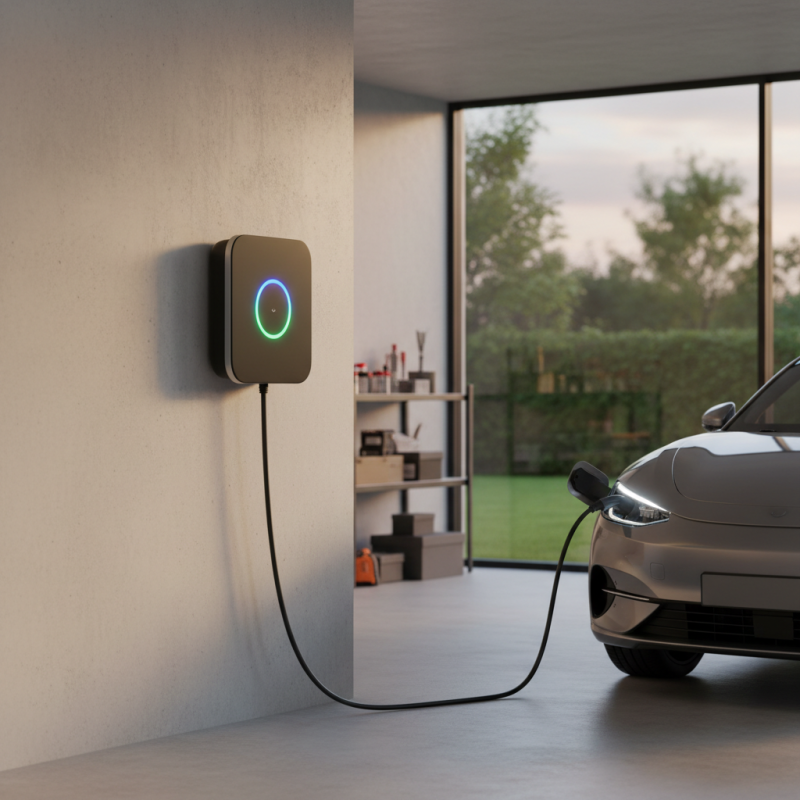
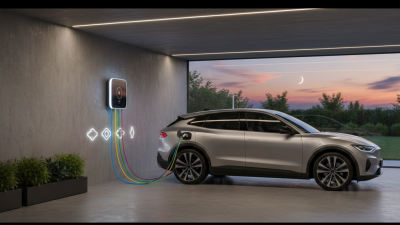
When considering an EV wallbox, it's essential to grasp the basics. An EV wallbox is not just a charger; it's a home charging station. It connects your electric vehicle to your home's power supply. This connection allows for faster and more efficient charging than standard outlets.
Location matters significantly. You should consider where you park your car. Is it a garage or outside? The distance from your electrical panel is crucial too. Longer distances could mean higher installation costs. Plus, you must think about the power supply. Some wallboxes require a 240-volt outlet, while others can work with standard 120-volts. This detail can make a big difference in charging speed.
Another important aspect is the installation process. It's not always straightforward. Some homes may need electrical upgrades, which can complicate things. You might have to hire a professional for a safe setup. It's essential to factor in these considerations to avoid unexpected issues later on. Making an informed decision helps ensure a seamless charging experience at home.
Charging Speed of Different EV Wallboxes
This chart illustrates the charging speed of various types of EV wallboxes available for home use. As shown, DC Fast Chargers provide significantly higher charging speeds compared to Level 1 and Level 2 chargers.
Evaluating Charging Speed and Power Output
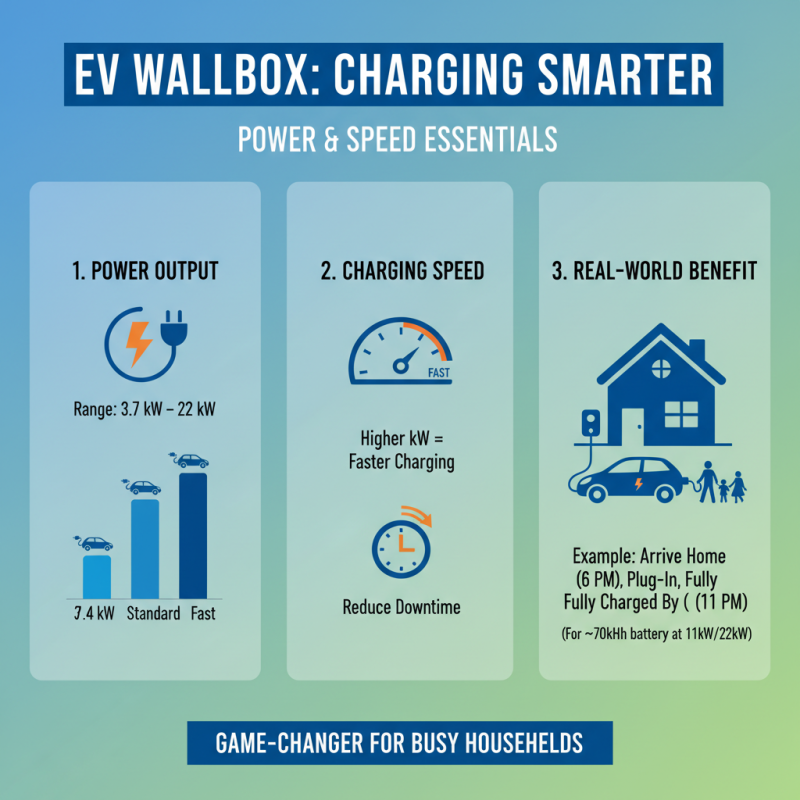
When selecting an EV wallbox, evaluating charging speed and power output is essential. The charging speed often depends on the power rating of the wallbox. Typical ratings range from 3.7 kW to 22 kW. Higher kW ratings allow for faster charging, which can significantly reduce downtime. Imagine coming home from work, plugging in, and your vehicle charges in just a few hours. This convenience can be game-changing for busy households.
However, not every home can support high power outputs. It's important to assess your electrical system's capacity. Some homes may require upgrades to accommodate a wallbox with a higher rating. This can lead to unexpected costs and inconveniences. Understanding your current setup can prevent future headaches. Additionally, consider your driving habits. Do you drive short distances daily or long road trips? Your charging speed needs will differ based on your lifestyle, which might require some reflection.
Moreover, charging speed isn't everything. One should also evaluate efficiency and practicality. A wallbox with a high output may not be worth it if you seldom charge at home. Finding the right balance between power output, installation costs, and personal usage can lead to smarter decisions. It’s a process that requires thought and might lead to some second-guessing. It’s vital to get it right the first time around.
Assessing Compatibility with Your Electric Vehicle
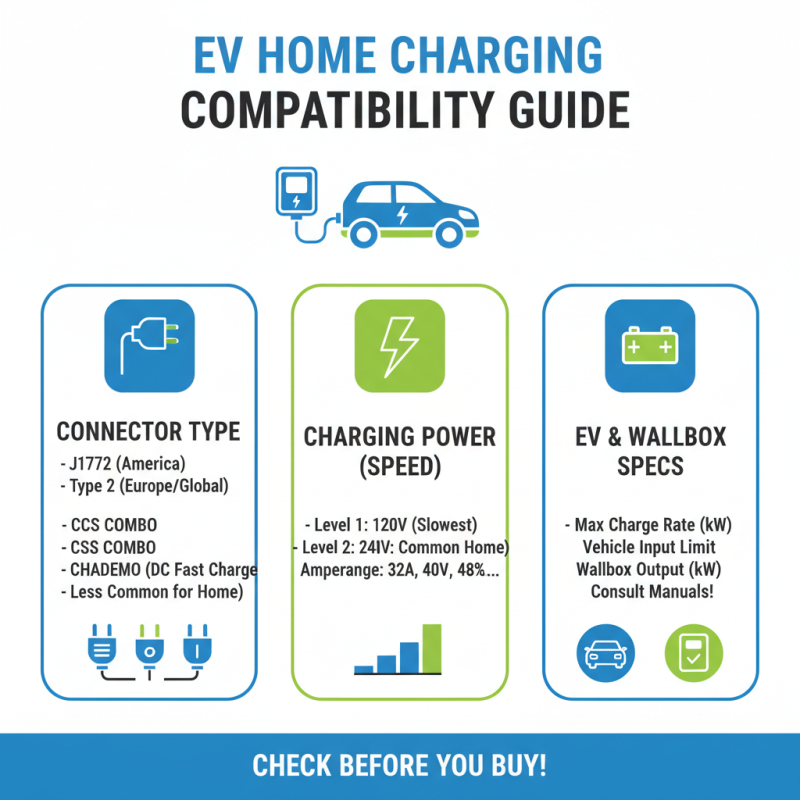
When selecting an EV wallbox for your home, compatibility with your electric vehicle is crucial. Different models support various charging standards. Check the specifications of your EV and any limits on charging speeds. Make sure the wallbox you choose can deliver the appropriate power and connector type for your vehicle.
Consider your home's electrical systems, too. You may need an electrician for upgrades or to ensure safe installation. Some EVs charge better with higher voltage systems. If your wallbox can’t meet this, you might face long charging times. Do your research and read user reviews about performance in real-world scenarios.
It’s essential to think about future needs. If you plan to buy another EV, ensure your wallbox can adapt. Not all models are easy to upgrade. Sometimes, compromises are inevitable. For example, you might find a budget-friendly option that lacks certain features. Reflect on your choices and prioritize your long-term requirements to make the best decision.
Exploring Installation Options and Requirements
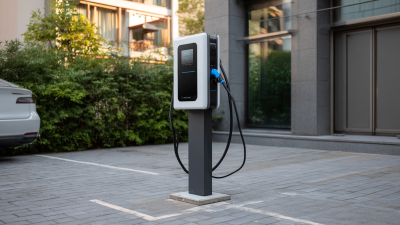
When considering the installation of an EV wallbox, it's crucial to explore your options carefully. Different homes have different needs. The right wallbox will depend on your electrical system and the available space. Some homes may have a suitable garage, while others might need a solution for outdoor installation. Assess the location for convenience and accessibility to your vehicle. Look for proximity to your electrical panel.
Next, you'll need to check the electrical condition of your home. The existing wiring may require upgrades. This can be a significant factor in determining the installation cost. In some cases, you might need to consult an electrician for an assessment. The outlet type and capacity are also essential. Not all homes can support a high-power charging system without modifications.
Another consideration is safety requirements. Local codes may dictate installation regulations. It's wise to familiarize yourself with these rules to ensure compliance. Some installations require a ground fault circuit interrupter (GFCI) for added safety. Ignoring these details could lead to issues down the line. Think about your long-term use too; you don’t want to outgrow your wallbox too soon.
How to Choose the Best Ev Wallbox for Your Home? - Exploring Installation Options and Requirements
| Dimension |
Details |
| Charging Speed |
Level 1: 4-5 miles per hour, Level 2: 25-30 miles per hour |
| Power Output |
3.7 kW to 22 kW options available |
| Connectivity |
Wi-Fi, Bluetooth, Ethernet |
| Smart Features |
App control, scheduling, energy monitoring |
| Installation Options |
Wall-mounted, pedestal-mounted, indoor, outdoor |
| Compliance Standards |
UL listed, IEC compliant, local codes |
Analyzing Cost Factors and Incentives for EV Wallboxes
When selecting an EV wallbox for home use, analyzing cost factors is essential. Installation fees can vary widely, often ranging from $500 to over $2,000 depending on location and electrical needs. According to the U.S. Department of Energy, the national average cost of a Level 2 EV charger is around $500. However, this does not include installation costs, which could significantly increase the final bill.
Incentives also play a vital role in the decision-making process. Many states offer rebates or tax credits for installing EV charging stations. For instance, California provides up to $1,000 towards installation costs. It’s crucial to research local incentives that could reduce upfront expenses. Some studies suggest that these benefits can offset nearly 30% of the installation costs for homeowners, making EV wallboxes more accessible.
Consider the long-term savings too. Electric vehicles generally cost less to fuel than gasoline cars. A report from the Electric Power Research Institute indicates that EV owners save about $800 annually on fuel costs. This perspective can help justify the initial investment. Yet, not every household can benefit equally, as some may face higher installation costs or limited local incentives. Balancing these factors leads to a more informed decision about the right wallbox for your specific circumstances.



 Phone
Phone Send Email
 whatsapp
 Facebook
 Youtube