Why You Should Consider Using an AC Charging Pile for Electric Vehicles?
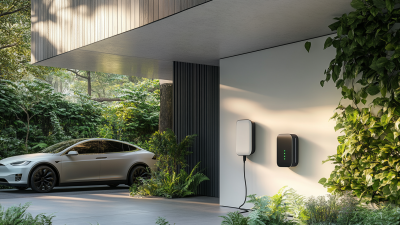
As electric vehicles (EVs) become more popular, the need for efficient charging solutions is crucial. An AC Charging Pile stands out as an excellent option for EV owners. It offers convenience and speed. With an array of designs, these charging stations can blend into various environments.
Using an AC Charging Pile provides numerous advantages over traditional charging methods. They can be installed at home or public locations. This flexibility enhances accessibility for all EV users. Charging times are reduced, making it easier to integrate EVs into daily life. However, one must consider installation costs and space requirements.
Despite their benefits, some challenges exist. Not every location is suitable for an AC Charging Pile. Homeowners must assess local infrastructure carefully. Reflecting on your charging needs can lead to better decision-making. Overall, the AC Charging Pile is a strategic choice for a sustainable future. It’s worth evaluating, despite some drawbacks.
Benefits of Using AC Charging Piles for Electric Vehicles
Using an AC charging pile for electric vehicles offers numerous advantages. These charging stations are cost-effective and easy to install. They can be set up at homes, workplaces, and public locations. This flexibility enhances convenience for electric vehicle owners. Not only do they provide a reliable energy source, but they also support the overall growth of electric transportation.
The efficiency of AC charging piles cannot be overlooked. Typically, they reduce charging times significantly compared to standard outlets. This means you spend less time waiting and more time driving. It’s essential to consider the power output when selecting your charging station. Matching the output with your vehicle's capabilities is crucial.
Tips: Always check local regulations for installation. Ensure proper permits are in place. Regular maintenance of your charging pile can enhance its lifespan. It's also wise to educate family members or coworkers about using it. Sometimes, users forget basic operational instructions. This can lead to confusion when they need to charge quickly. Familiarity can prevent such issues.
Benefits of Using AC Charging Piles for Electric Vehicles
Comparison of AC Charging Piles and DC Fast Chargers
When considering electric vehicle charging options, two main types stand out:
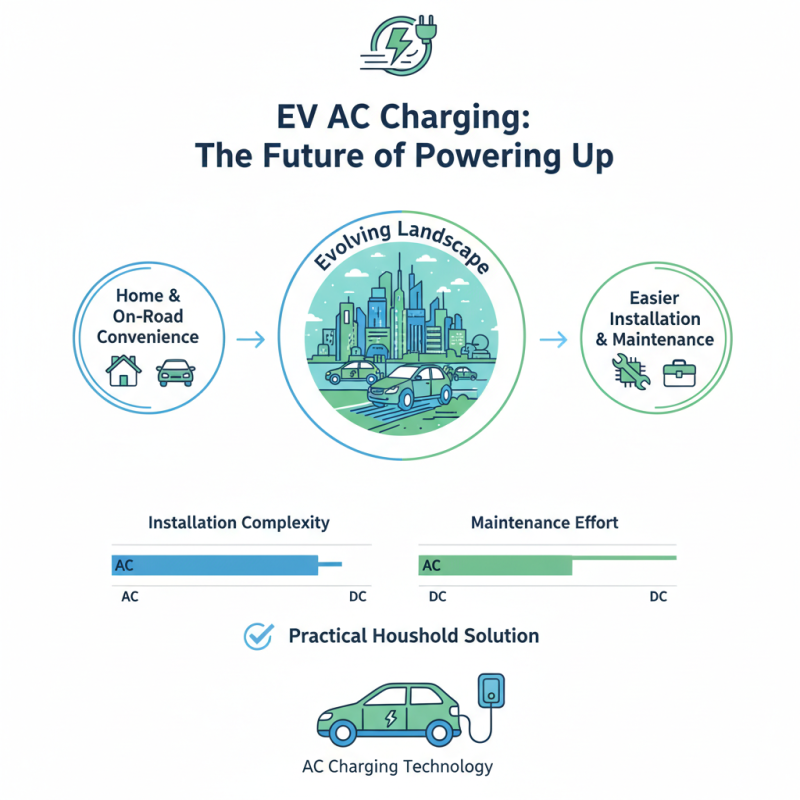
AC charging piles and DC fast chargers. AC charging piles are more common for home use.
They provide a practical solution for overnight charging. Many users find them sufficient for daily needs.
On the other hand, DC fast chargers are designed for quick top-ups. They can recharge an electric vehicle to 80% in under 30 minutes.
However, they may not be readily available in all areas. It's essential to consider location when choosing your charging method.
Often, DC chargers come with higher installation costs.
While AC charging is slower, it tends to be more cost-efficient. Users may face fewer issues, but charging times can feel lengthy.
Some people overlook how charging habits affect electric vehicle ownership. Being aware of charging options can lead to better decisions.
So, weigh the speed of DC chargers against the convenience of AC piles. Take your time to think this through.
How AC Charging Piles Improve Daily Charging Convenience
Charging an electric vehicle can sometimes feel daunting. However, using an AC charging pile can significantly enhance your daily charging experience. These charging stations are often found in residential areas, making them quite accessible for home charging. They deliver a steady flow of electricity, ensuring your vehicle is ready when you are.
**Tip:** When installing an AC charging pile, consider the location that’s closest to your parking space. This can save you time and make connection easier.
AC charging piles are typically user-friendly. They feature simple interfaces and often require minimal setup. Just plug in and walk away. You might find it helps streamline your routine. Imagine starting your day with a fully charged battery after a night of charging.
Yet, not all installations are perfect. Sometimes, you might face issues with power supply or connectivity. Reflecting on these experiences can lead to better decision-making in future purchases.
**Tip:** Regularly check for software updates in your charging pile. These updates may improve functionality and address minor issues.
Why You Should Consider Using an AC Charging Pile for Electric Vehicles? - How AC Charging Piles Improve Daily Charging Convenience
| Feature |
Description |
Benefits |
| Charging Speed |
AC charging piles typically provide a charging power of 3.7 kW to 22 kW. |
Faster charging times compared to standard 120V outlets. |
| Convenience |
Installed in home garages and parking lots. |
Allows for overnight charging without the need to visit a public station. |
| Cost-Effectiveness |
Lower installation and operational costs compared to DC fast chargers. |
Ideal for home use with reduced electricity costs. |
| Safety Features |
Includes safety mechanisms like overload protection and leakage protection. |
Ensures safe charging without risk of accidents. |
| User-Friendly Interface |
Often equipped with LCD screens showing charging status. |
Easy monitoring of charging progress and time remaining. |
Key Considerations When Installing an AC Charging Pile
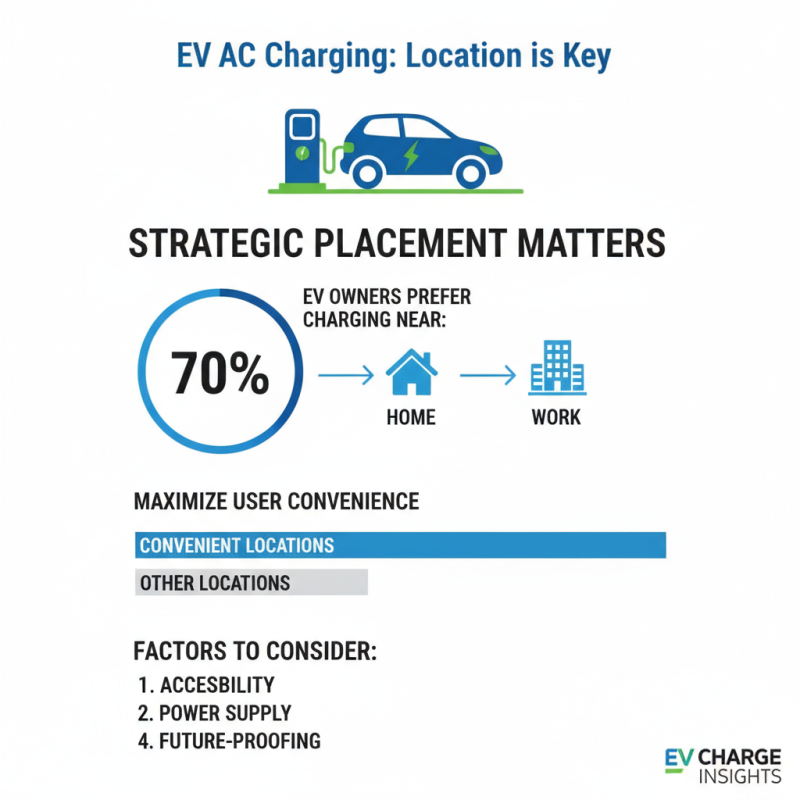
When considering the installation of an AC charging pile for electric vehicles, several key factors arise. One important aspect is the location. A well-placed charging station can significantly enhance usability. According to a recent industry report, 70% of EV owners prefer charging stations that are conveniently located near their homes or workplaces. This highlights the need for strategic placement to maximize user convenience.
Another crucial factor is the electrical infrastructure. Before installation, it’s essential to assess the available power supply. Insufficient capacity could lead to longer charging times or frequent outages. The U.S. Department of Energy suggests that an average residential charger requires a dedicated 240-volt circuit. Ensuring compliance with local regulations is also vital. Each region has its own codes that must be followed to ensure safety and efficiency.
Moreover, the cost of installation should not be overlooked. While a typical residential AC charging pile might range from $500 to $1,500, additional expenses may arise. These can include electrical upgrades and permits. Addressing these potential hidden costs is necessary for a realistic budget. Consumers must also consider future needs as EV adoption increases. Adjusting for technological advancements may lead to additional installations down the road. Failing to plan for future scalability can lead to disappointment.


 Phone
Phone Send Email
 whatsapp
 Facebook
 Youtube