Why the Electric Charging Business is Set to Revolutionize the Future of Transport
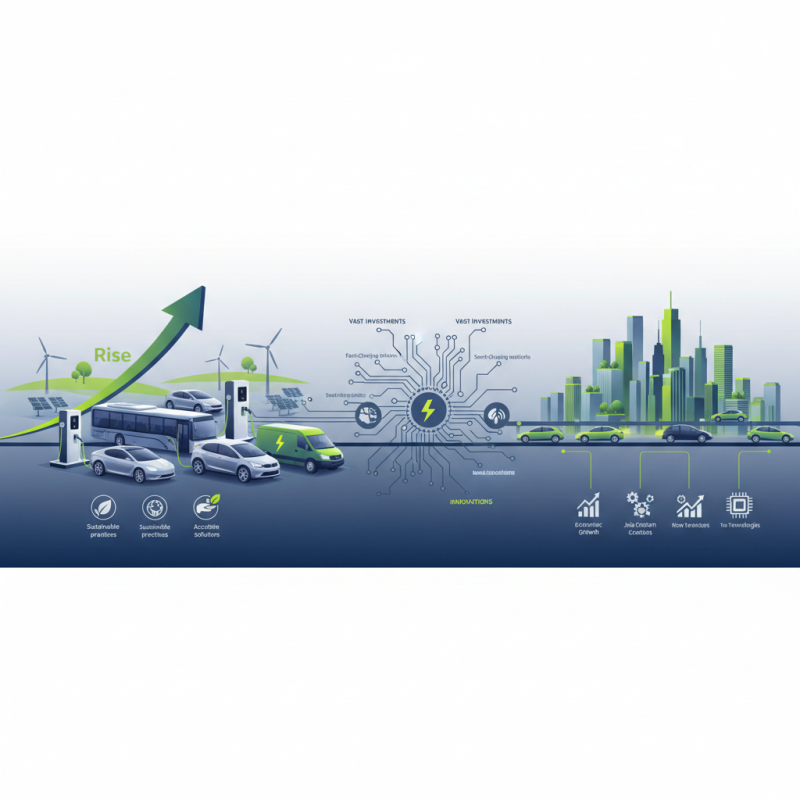
The rise of the Electric Charging Business is poised to transform transportation as we know it. With the global shift toward sustainable practices and a reduction in carbon emissions, electric vehicles (EVs) are increasingly becoming a viable alternative to conventional gasoline-powered cars. This transition not only reflects advancements in technology but also a growing awareness of environmental issues, prompting vast investments and innovations in charging infrastructure. The Electric Charging Business stands at the forefront of this revolution, providing the essential framework to support the burgeoning EV market.
As the number of electric vehicles on the roads continues to climb, the demand for efficient, accessible charging solutions has never been greater. This surge in demand has opened up new opportunities for entrepreneurs and businesses focused on providing innovative charging solutions, from fast-charging stations to smart charging networks. These advancements are crucial for ensuring that consumers feel confident in adopting electric vehicles, thereby accelerating the shift toward cleaner forms of transport. The Electric Charging Business not only facilitates this transition but also contributes to the economic growth by creating jobs and fostering new technologies.
In summary, the Electric Charging Business is not just a niche market; it is a critical component of the future of transportation. Its evolution will play a pivotal role in shaping a sustainable ecosystem for mobility, driving the transition towards smarter, cleaner urban environments. As we explore the various dimensions of this industry, it becomes clear that the Electric Charging Business is set to revolutionize how we perceive and engage with transportation in the years to come.
The Evolution of Electric Charging Infrastructure
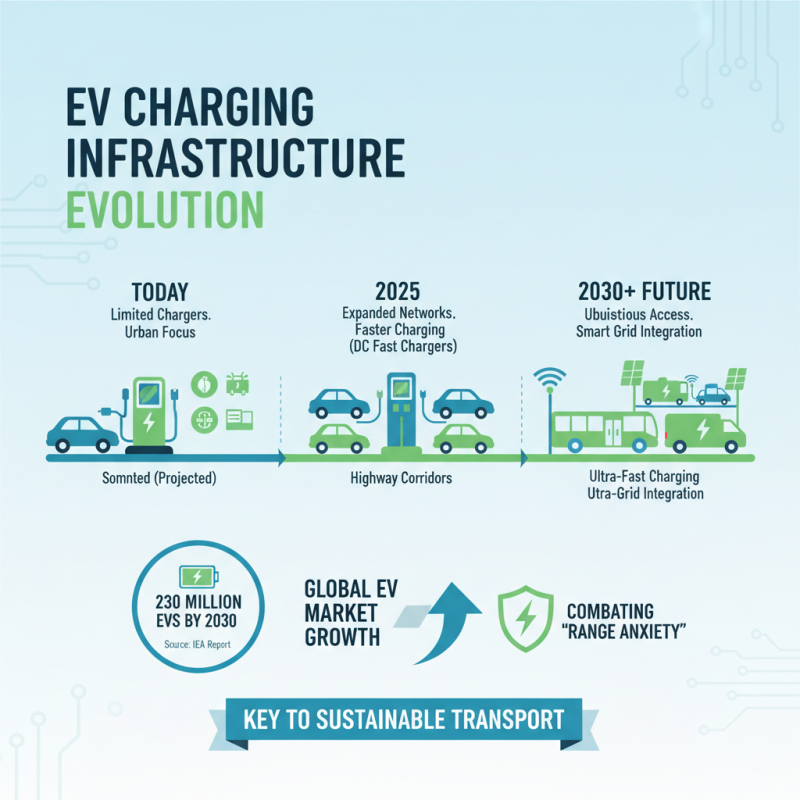
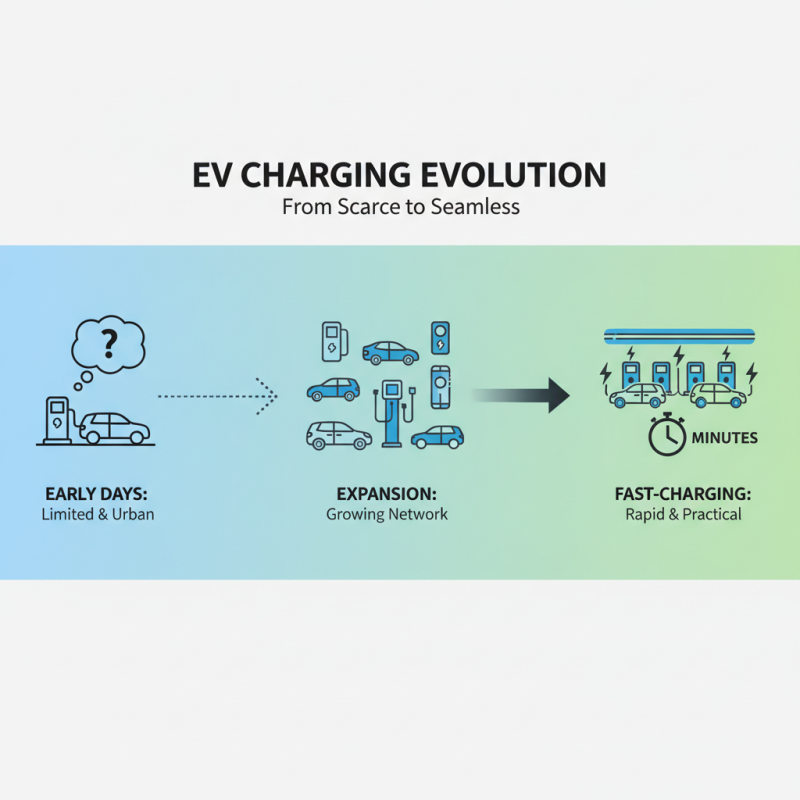
The evolution of electric charging infrastructure has been pivotal in the transition towards sustainable transportation solutions. Initially, charging stations were few and far between, often limited to urban areas or specific regions. However, with the growing adoption of electric vehicles (EVs), there has been a significant investment in expanding this network. The emergence of fast-charging technologies allows drivers to recharge their vehicles in a matter of minutes rather than hours, making electric vehicles more practical for everyday usage.
Furthermore, the integration of charging infrastructure into public spaces, such as shopping centers, parking lots, and highways, enhances accessibility and convenience for users. Partnerships between governments and private entities have facilitated the rollout of a comprehensive charging network, addressing range anxiety – a common concern among potential EV owners. As smart grids and renewable energy sources are incorporated into the charging infrastructure, the future of electric transport looks promising, with the potential for a cleaner and more efficient transportation ecosystem.
Key Technologies Driving Electric Vehicle Charging Solutions
The electric vehicle (EV) charging landscape is undergoing a transformative shift, driven by several key technologies that enhance the efficiency and convenience of charging solutions. One pivotal technology is fast-charging systems, which utilize high-capacity connections to significantly reduce the time it takes to recharge an EV.
These systems often integrate advanced cooling mechanisms that prevent overheating, allowing for sustained high power output. As fast-charging stations become more prevalent, they enable long-distance travel and reduce range anxiety for EV owners, making electric vehicles a more appealing choice for consumers.
Another crucial advancement is the development of smart charging solutions, which utilize connected technologies to optimize the charging process. By incorporating real-time data analytics and grid management, smart charging systems can intelligently distribute energy loads, balance demand, and even synchronize charging times to benefit from off-peak electricity rates.
Furthermore, vehicle-to-grid (V2G) technology facilitates the return of electricity from parked EVs back to the grid, promoting a more sustainable energy ecosystem. These innovations not only enhance the efficiency of electric vehicle usage but also pave the way for a more integrated and environmentally friendly transportation system.
Economic Impacts of Widespread Electric Vehicle Adoption
The widespread adoption of electric vehicles (EVs) is poised to create substantial economic impacts across various sectors. As more consumers transition from traditional combustion engine vehicles to EVs, demand for electric charging infrastructure will surge. This shift will necessitate significant investments in charging stations, grid upgrades, and energy management systems, leading to new business opportunities and the creation of jobs within the green technology sector. Local communities could benefit economically as the establishment of charging stations brings increased foot traffic and can stimulate local businesses.
Moreover, the growth of the electric charging business could pave the way for innovation in renewable energy sources. As the reliance on fossil fuels diminishes, there is potential for a transition towards cleaner energy solutions, further driving economic growth. Governments may also see opportunities to promote sustainable practices, potentially resulting in tax incentives and subsidies, making the EV market more accessible. The long-term economic benefits of electric vehicle adoption could therefore contribute to a more robust and sustainable economy, fostering a cycle of growth centered on environmentally friendly technologies.
Environmental Benefits of Electric Vehicle Charging Systems
The shift towards electric vehicle (EV) charging systems is poised to deliver significant environmental benefits that could reshape the future of transportation. One of the most critical advantages is the reduction of greenhouse gas emissions. Electric vehicles produce zero tailpipe emissions, which greatly diminishes air pollution in urban areas where traffic congestion is prevalent. As more renewable energy sources, such as wind and solar, become integrated into the electricity grid, the overall carbon footprint associated with charging these vehicles will further decrease, enhancing the positive impact on our planet.
In addition to lowering emissions, EV charging systems can contribute to energy efficiency and sustainability. With advancements in smart charging technology, electric vehicles can be charged during off-peak hours, reducing strain on the electrical grid and optimizing energy usage. These systems allow users to take advantage of low electricity rates during times of high renewable energy production. Furthermore, the development of public charging infrastructure encourages the transition away from fossil fuels, fostering a cleaner, more sustainable transportation ecosystem and promoting a culture of environmental responsibility amongst consumers.
Impact of Electric Vehicle Charging System on Carbon Emissions Reduction
The following bar chart illustrates the estimated reduction in carbon emissions (in metric tons) as electric vehicle charging infrastructure expands over the next decade. By 2030, significant advancements in EV adoption along with widespread charging stations can lead to a substantial decline in emissions.
Future Trends in Electric Charging for Transportation Innovation
The evolution of electric charging infrastructure is poised to play a pivotal role in transforming the future of transportation. According to a report by the International Energy Agency, the global electric vehicle (EV) market is anticipated to grow exponentially, with projections showing that there could be up to 230 million electric cars on the road by 2030. This surge in electric vehicles necessitates an equally robust expansion of charging facilities. By enhancing the availability and efficiency of charging stations, we can address one of the major hurdles in widespread EV adoption: range anxiety.
Emerging trends in electric charging technology are also set to influence transportation innovation significantly. Fast-charging capabilities, which cut down charging times to under 30 minutes, are becoming the standard rather than the exception. Furthermore, advancements in wireless charging technology are paving the way for dynamic charging solutions that allow vehicles to charge while in motion. According to a recent study by BloombergNEF, the global investment in charging infrastructure is expected to reach $500 billion by 2040. This investment will not only enhance the user experience but also support the integration of renewable energy sources, making transportation even more sustainable and eco-friendly. As cities adapt to these changes, the convergence of various technologies will reshape urban landscapes, promote cleaner air, and build a more integrated transportation network.




 Phone
Phone Send Email
 whatsapp
 Facebook
 Youtube