10 Essential Tips for Choosing the Right EV Wallbox for Your Home?
Choosing the right EV Wallbox for your home can seem overwhelming. With various options available, making the best choice requires careful consideration. Factors like charging speed, compatibility, and installation complexity matter. An EV Wallbox needs to meet your specific needs.
Many homeowners overlook potential issues. For example, a wallbox may not fit in your garage. Furthermore, local electrical capacity might limit your options. It’s crucial to assess your home's electrical system before purchasing. Do you need a professional electrician for installation? Understanding these aspects is vital for a satisfactory experience.
Price is always a concern. An affordable EV Wallbox may lack essential features. On the other hand, a high-end model could be more than you need. Evaluate your driving habits and average charging times. Striking the right balance ensures you invest wisely in your EV charging solution.
Understanding EV Wallbox Types: Level 1 vs. Level 2 Charging Solutions
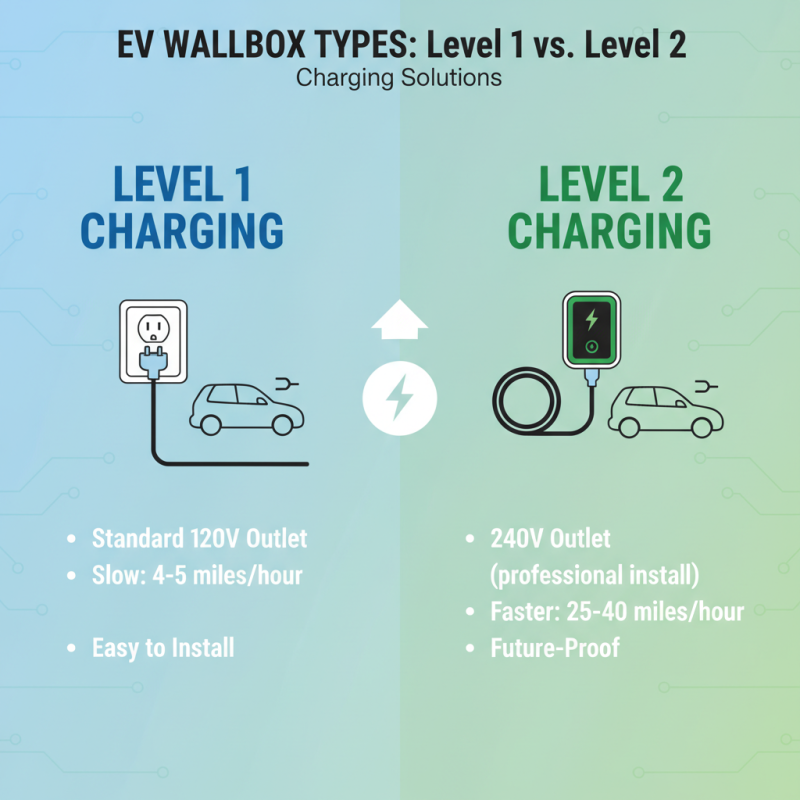
When considering an EV wallbox, it’s essential to understand the differences between Level 1 and Level 2 charging solutions. Level 1 chargers use a standard 120V outlet. They are easy to install but charge slowly, adding roughly 4-5 miles of range per hour. For many, this may be sufficient for overnight charging. However, with the increase in EV adoption, often highlighted in industry reports, this may not meet everyone's needs.
On the other hand, Level 2 chargers operate on a 240V outlet. They can provide 25 to 30 miles of range per hour, making them ideal for daily users. According to a recent industry study, around 80% of EV owners prefer Level 2 charging stations due to their efficiency. However, the installation cost can be higher compared to Level 1 chargers. It’s a trade-off that requires careful consideration.
Many users overlook installation requirements. Not all homes are equipped for Level 2 charging without electrical upgrades. Some may even face unexpected challenges, such as local permits and installation timelines. These factors can lead to frustration but reflect the reality of transitioning to an EV-friendly home. Understanding these details is crucial for making an informed decision.
Evaluating Your Home's Electrical Capacity for EV Charger Installation
When considering the installation of an electric vehicle (EV) wallbox, evaluating your home’s electrical capacity is crucial. Your home’s wiring and electrical panel need to support the additional load of an EV charger. Modern chargers typically require a dedicated circuit. If your electrical panel is outdated or overloaded, you may face issues.
Inspect your electrical panel for available capacity. A typical EV charger may require 30-50 amps. Check if you have enough capacity to handle this. Hire a qualified electrician for a thorough assessment. They can identify any potential problems, ensuring safe installation. Often, older homes may not have the necessary amperage available.
Also, consider the condition of your home’s wiring. Old or damaged wiring can create safety hazards. It may need an upgrade before installing a wallbox. You might find that your existing setup simply won’t suffice. This could lead to unexpected costs or delays. So, addressing potential issues early can save time and headaches later on.
Key Features to Look for in EV Wallboxes: Smart Charging and Connectivity
When choosing an EV wallbox, two key features stand out: smart charging capability and connectivity options. Smart charging allows users to optimize battery charging based on energy rates. According to a recent report from the International Energy Agency, homes with smart chargers can save up to 30% on energy costs compared to traditional chargers. This is significant for homeowners looking to reduce their electricity bills while supporting sustainable energy consumption.
Connectivity features also enhance the usability of EV wallboxes. Many models now offer Wi-Fi or Bluetooth capabilities, allowing users to control their charging remotely via smartphones. A survey conducted by the Electric Vehicle Association indicates that over 70% of EV users value this feature. Real-time data tracking helps users monitor energy usage, which can lead to more informed decisions about when to charge. However, some may find it challenging to set up these advanced features, leading to underutilization.
Additionally, how user-friendly the interface is can make a huge difference. A complicated setup process can deter new users from maximizing the benefits. Insights from various industry reports suggest that ease of use is a crucial factor for many buyers. Focusing on intuitive designs while integrating technology can greatly improve user experiences. It's important to reflect on personal preferences when selecting the right wallbox. Not every feature may be necessary for everyone.
10 Essential Tips for Choosing the Right EV Wallbox for Your Home
| Feature |
Description |
Importance |
| Charging Speed |
Choose a wallbox that supports fast charging to minimize downtime. |
High |
| Smart Features |
Look for features like scheduling, remote control, and usage tracking. |
Medium |
| Compatibility |
Ensure the wallbox is compatible with your specific EV model. |
High |
| Connectivity |
Check for Wi-Fi or Bluetooth capabilities for better integration. |
Medium |
| Installation |
Consider professional installation requirements and costs. |
High |
| Safety Features |
Look for built-in safety features like overcurrent protection. |
High |
| Warranty |
A longer warranty period indicates reliability and manufacturer confidence. |
Medium |
| User Interface |
Ensure the wallbox has an easy-to-use interface for navigation and settings. |
Medium |
| Design |
Aesthetic design can complement your home and garage. |
Low |
| Cost |
Evaluate the pricing and consider long-term savings from energy efficiency. |
High |
Assessing Installation Costs: Average Prices and Grants for Home Chargers
When choosing an EV wallbox, installation costs can significantly impact your decision. The average price for home charger installation varies widely. A recent report from the International Energy Agency revealed that the installation typically ranges from $600 to $2,000. This figure often depends on the complexity of the installation and regional labor costs.
Considering subsidies can ease the financial burden. Many local governments offer grants to encourage EV adoption. These grants can cover up to 50% of the installation costs in certain areas. It's advisable to research available incentives before proceeding.
Tip: Factor in your home’s electrical capacity. If upgrades are necessary, costs will increase. Assessing your property’s needs can prevent unexpected expenses.
Another aspect to think about is the charging speed. Faster chargers may cost more, but they save time. A dedicated circuit might be required, which can add to installation costs. Evaluate your typical driving patterns. This will help you decide the charging speed that suits your lifestyle. Ultimately, thorough planning and research can lead to a more informed and satisfactory choice.
Average Installation Costs for Home EV Wallboxes
This chart displays the average installation costs for EV wallboxes depending on the complexity of the installation. Basic installations are cheaper, while advanced installations can be significantly higher. Understanding these costs can help homeowners make informed decisions when selecting home charging solutions.
Comparing Leading Brands: Reliability and Performance in the EV Wallbox Market
When selecting the right EV wallbox for your home, it's essential to compare leading brands in terms of reliability and performance. This ensures that your electric vehicle charging experience is seamless and efficient.
Check the wallbox’s build quality. A durable design can withstand weather changes and prolonged usage. Go for one that has good reviews on longevity.
Performance should also be a priority. Look for charging power levels that suit your vehicle’s needs. Some wallboxes offer faster charging options, while others provide standard speeds. Choose according to your driving habits. Reliable brands often provide warranties, indicating confidence in their product.
When evaluating options, consider installation requirements as well. Some wallboxes need professional installation, while others allow for DIY setups. Don’t overlook safety features. Overcurrent protection and temperature monitoring are critical. Addressing these factors will lead to a safer and more efficient charging process.





 Phone
Phone Send Email
 whatsapp
 Facebook
 Youtube