10 Essential Tips for Choosing a Solar Powered EV Charging Station
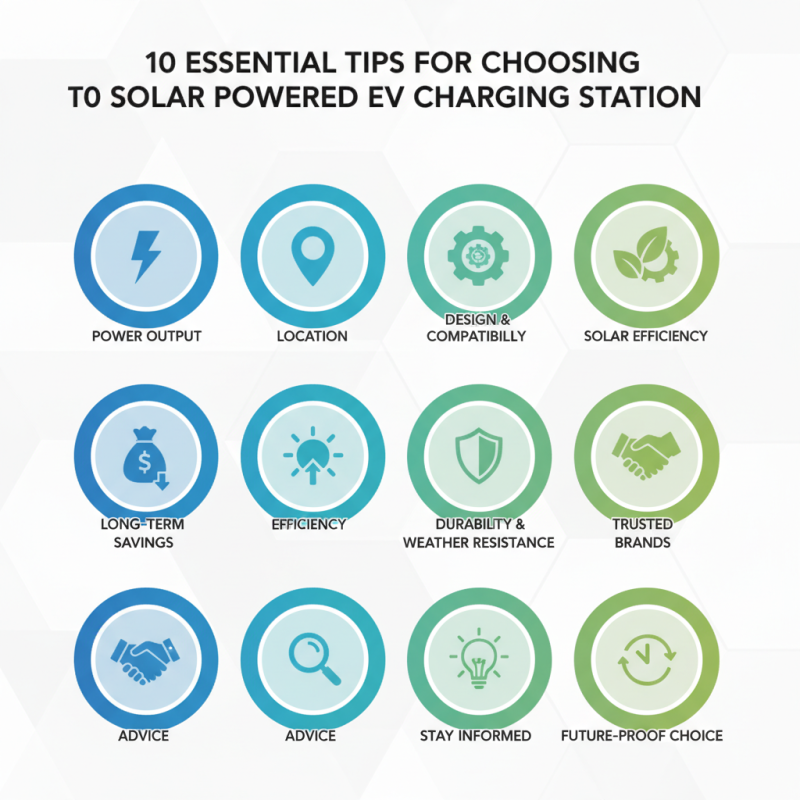
As the move toward sustainable energy accelerates, choosing the right Solar Powered EV Charging Station becomes essential for modern drivers. Industry expert Dr. Emily Chen emphasizes, "The right charging station can significantly enhance your electric vehicle experience." With diverse options available, selecting the ideal station requires careful consideration.
One must evaluate power output, location, and design compatibility. A well-situated Solar Powered EV Charging Station can reduce wait times and improve convenience. However, many overlook the efficiency of solar technology and its long-term benefits. While solar installations are often seen as costly upfront, they promise substantial savings on energy bills and environmental impact over time.
It's also vital to consider the durability of the station. Not all solar options are created equal. Some may underperform in less-than-ideal weather conditions. Therefore, engaging with trusted brands and seeking expert advice is crucial. In a rapidly evolving market, remaining informed ensures the right choice for both today and the future.
Understanding Solar Powered EV Charging Stations
Understanding Solar Powered EV Charging Stations
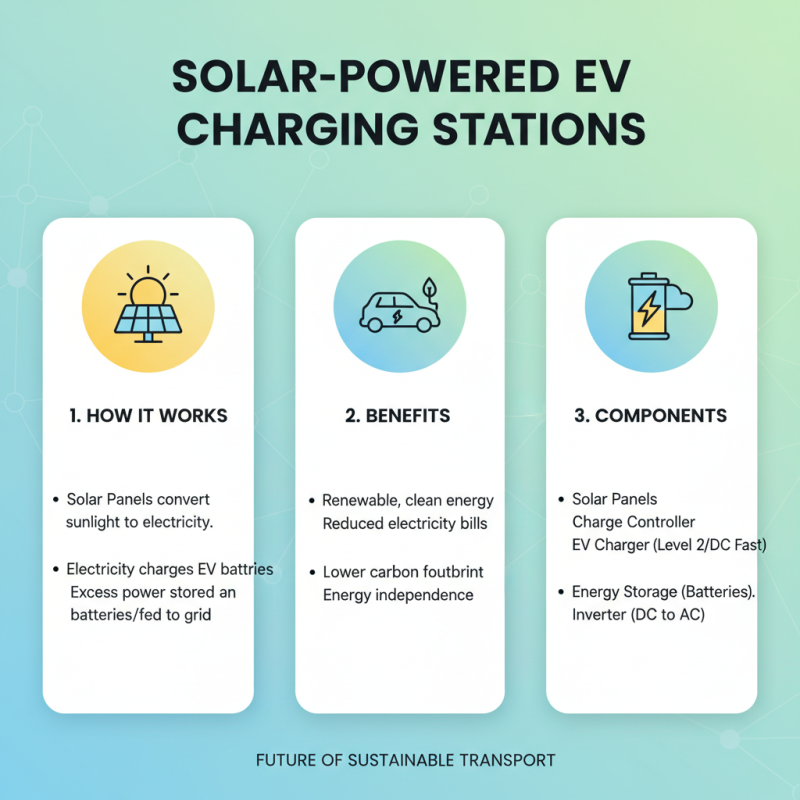
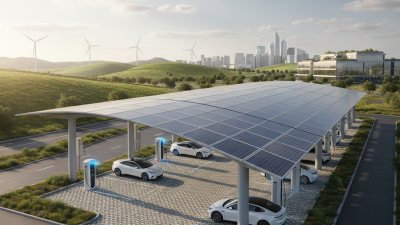
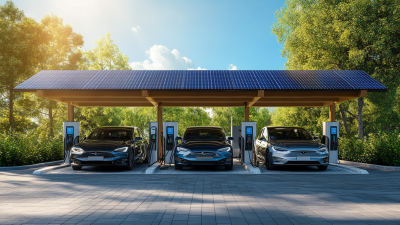
Solar powered EV charging stations are a smart choice for eco-conscious drivers. These stations harness sunlight to produce clean energy, reducing reliance on fossil fuels. In the U.S., the solar energy capacity exceeds 100 gigawatts, enough to power about 18 million homes. This abundant energy source can significantly decrease costs for electric vehicle (EV) owners using solar-powered stations.
When selecting a solar charging station, consider location. The amount of sunlight your area receives will influence efficiency. Areas with at least 300 sunny days a year will benefit most. While solar panels have become more efficient, they're not perfect. Factors like shading, panel orientation, and dirt accumulation can impact performance. Regular maintenance is essential for optimal functionality.
In addition, be aware of grid connectivity. If your system isn't connected to the grid, energy storage solutions may be necessary. Battery systems can store excess energy, but their upfront costs can be high. The Department of Energy reports that battery prices have dropped by nearly 80% since 2010, but investment needs careful planning. Understanding these elements can guide you in making a wise and informed choice for your solar charging needs.
Key Factors to Consider When Selecting a Charging Station
When selecting a solar powered EV charging station, you must consider several key factors. Efficiency is vital. Look for systems that convert sunlight effectively into electricity. An inverter's quality can impact efficiency. Poor inverters can lead to energy loss. Solar panels should have a high efficiency rating. Reliability in varying weather conditions is essential, too. Not all systems perform well on cloudy days or during winter months.
Installation and space requirements also matter. Some stations need more space for optimal solar panel placement. Always assess your location's sunlight exposure. A poorly positioned station may lead to underperformance. Additionally, check for compatibility with your electric vehicle. Station ports and charging speeds can vary significantly. Always confirm your EV’s charging specifications before making a decision.
Cost is not the only factor to consider. While affordable options are tempting, they may not deliver lasting quality. High initial costs can be offset by long-term savings. However, unclear warranties might lead to unexpected expenses later. Researching customer reviews and expert opinions can provide insights into the station’s real-world performance. You'll want to ensure you're making a reliable choice.
Evaluating Solar Panel Efficiency and Energy Output
When selecting a solar powered EV charging station, assessing solar panel efficiency and energy output is crucial. Solar panels come in various types, each with distinct efficiency ratings. Higher efficiency means more energy generation in limited space. This can be important for installations where roof space is limited. Monocrystalline panels often provide the best efficiency, while polycrystalline panels are typically cheaper but less effective. It’s vital to weigh these characteristics based on your needs.
Energy output is another essential consideration. Evaluating expected energy production involves examining sunlight hours in your area. Some regions get more sunlight, boosting energy output significantly. Seasonal variations can affect this as well, leading to fluctuating charging capabilities. It’s important to analyze historical weather data and adjust your expectations accordingly. Not all installations will guarantee optimal energy output year-round. Engaging with local experts can help identify potential challenges, ensuring you make an informed decision.
Assessing Installation Requirements and Location Suitability
When considering a solar powered EV charging station, assessing installation requirements is crucial. The site must receive ample sunlight, ideally unobstructed by trees or buildings. Shadows can significantly lower efficiency. Consider your roof's angle and orientation if installing on a home. A south-facing position in the northern hemisphere often yields the best results.
Location suitability is equally important. Accessibility to your EV is vital. If the charging station is hard to reach, it defeats the purpose. Make sure it’s near a power source, too. Local regulations may impose restrictions or require permits. Understanding these rules can save you time and frustration during installation.
Besides technical aspects, reflect on future needs. Will your energy requirements grow? What if you expand your electric vehicle use? Choosing a site easy to upgrade can save headaches later. Overlooking these details could limit efficiency. Prioritize planning appropriately to ensure long-term satisfaction with your solar powered charging station.
Analyzing Cost and Incentives for Solar Charging Solutions
Choosing a solar-powered EV charging station can be daunting. Understanding the costs associated with installations is crucial. Costs vary based on the capacity of the charging station and installation specifics. A simple setup could start around a few thousand dollars, while more complex systems may exceed that.
Incentives also play a significant role. Many regions offer tax credits for solar installations, which can reduce out-of-pocket expenses. Some utilities provide rebates or financial assistance. Researching local policies is necessary to take full advantage of these offers. Not all areas have the same level of support, and eligibility can be complex.
It's vital to evaluate the long-term savings as well. While upfront costs matter, savings on electricity and EV maintenance can be substantial. Some users report that broken systems lead to unexpected costs. Homeowners should consider warranties or service plans to mitigate this. Reflecting on both immediate and future implications ensures a well-informed decision.


 Phone
 Send Email
 whatsapp
 Facebook
 Youtube