What is an Ev Wallbox and How Does it Work?
The rise of electric vehicles has created a burgeoning demand for efficient charging systems. An essential component in this transition is the "Ev Wallbox." According to a 2023 report by the International Energy Agency, global sales of electric vehicles are projected to reach 18 million units by 2025. This growth amplifies the importance of reliable home charging solutions.
Experts emphasize the role of the Ev Wallbox in this landscape. Dr. Sarah Thompson, a leading researcher in electric mobility, states, "The Ev Wallbox is not just a convenience; it’s an essential infrastructure." This technology allows users to charge their vehicles at home, offering optimal power management and safety features. However, the increasing variety of models and specifications can be confusing for consumers.
The integration of smart technology into Ev Wallboxes introduces both efficiency and complexity. While these systems can optimize charging times, they also require a degree of consumer understanding. Many users find themselves overwhelmed by choices and technical specifications. Reflecting on the future, industry leaders must ensure education and support accompany technological advancements.
What is an EV Wallbox?
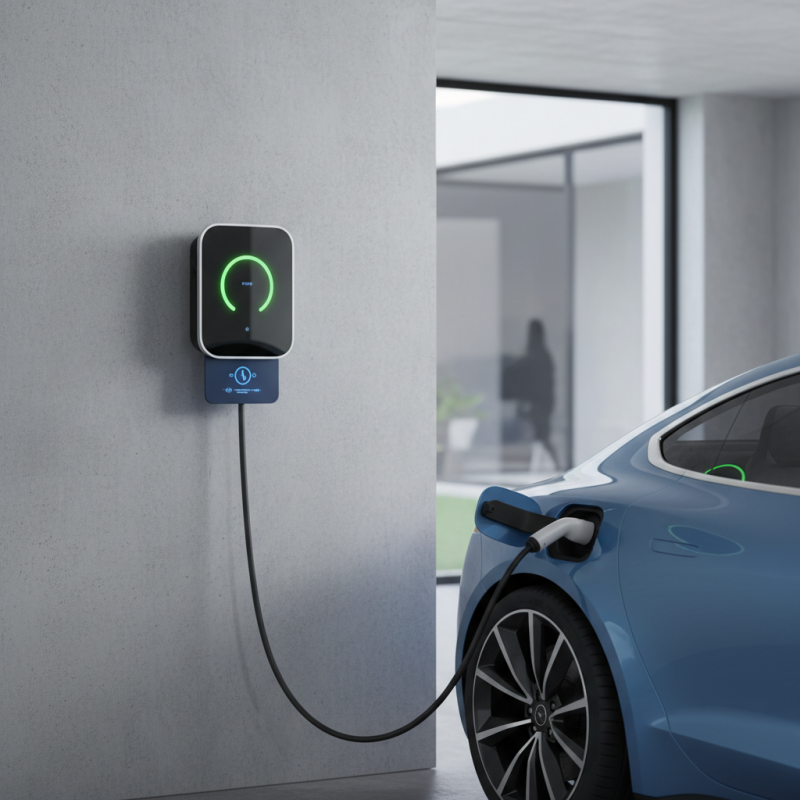
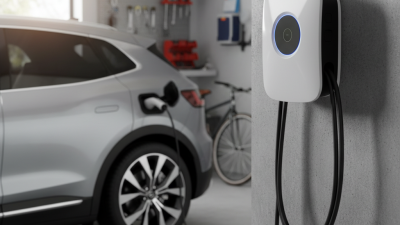
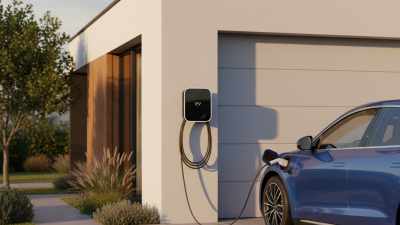
An EV Wallbox is a dedicated charging unit for electric vehicles. It connects directly to the electrical system in your home. These wall-mounted devices provide faster charging than standard outlets. According to the International Energy Agency, public and private charging infrastructure is critical to the growth of electric vehicles.
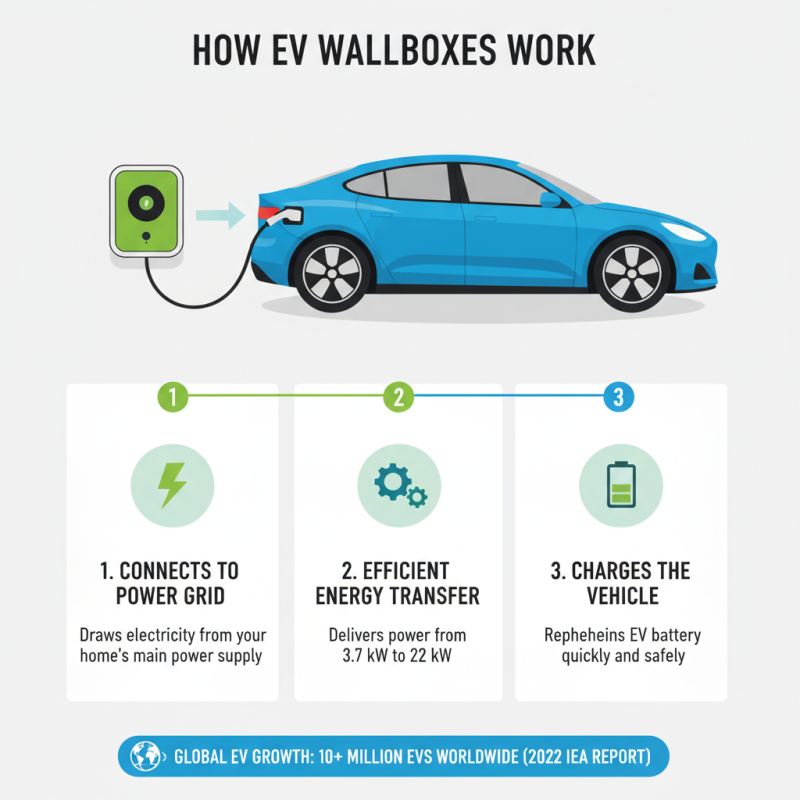
These wallboxes typically deliver power ranging from 3.7 kW to 22 kW. Charging an electric vehicle can be completed in as little as one to eight hours, depending on the vehicle and the wallbox capacity. Homeowners appreciate the convenience of charging overnight. Moreover, a report from BloombergNEF indicates that EV charging infrastructure will need to double by 2030 to meet rising demand.
Tips: Consider installing your wallbox near your parking area for easy access. Make sure it’s installed by a certified professional to ensure safety and efficiency.
While EV wallboxes can represent a significant upfront investment, they may save costs in the long run. As electricity rates fluctuate, some users discover savings by charging during off-peak hours. However, it's essential to analyze your home's electrical capacity before purchase. Inadequate home wiring can result in costly upgrades and delays in installation.
Key Components of an EV Wallbox
Electric vehicle (EV) wallboxes play a crucial role in the growing popularity of electric mobility. They consist of several key components. The charging unit is the heart of the wallbox. This unit converts AC power from the grid to the DC power used by most EVs. Typically, these chargers offer power ratings between 3.7 kW and 22 kW, depending on installation requirements and vehicle compatibility.
Another essential component is the communication module. This ensures that the wallbox can interact with the vehicle. It allows for data exchange regarding charging status, energy consumption, and scheduling. According to the International Energy Agency, the global market for EV chargers is expected to grow at a CAGR of 30% from 2023 to 2030. This points to the rising importance of efficient charging solutions.
Safety features cannot be overlooked. A reliable EV wallbox must include overcurrent and overvoltage protection. These safeguard against electrical faults, ensuring user safety. Additionally, many newer models integrate smart technology for remote access and control. However, not all consumers understand these features. Therefore, education on the capabilities and limitations of wallboxes is critical for optimal use and awareness.
EV Wallbox Charging Capacity Over Time
This chart illustrates the evolution of EV Wallbox charging capacity from 2018 to 2023. It showcases how technology advancements have led to the introduction of higher capacity wallboxes over the years.
How EV Wallboxes Function in Electric Vehicle Charging
Electric Vehicle (EV) wallboxes are essential devices for convenient charging. They connect the vehicle to the power grid, enabling efficient energy transfer. Typically, these devices can deliver power ranging from 3.7 kW to 22 kW, depending on the installation. According to a recent report by the International Energy Agency, the number of EVs worldwide reached over 10 million in 2022, highlighting the growing need for reliable charging solutions.
The operation of an EV wallbox is straightforward. When a car is plugged in, the wallbox communicates with the vehicle to determine the appropriate charging rate. This dialogue ensures safe, efficient charging without overloading circuits. Most wallboxes include safety features such as ground fault protection and overcurrent protection. However, users must sometimes ensure that their electrical systems can handle the higher demand. Inadequate infrastructure can lead to performance issues or potential safety risks.
Despite the advantages, EV wallboxes present challenges. Installation costs can be significant, ranging from $500 to $2,000. Homeowners must also consider their electrical capacity and circuit requirements. Not all households have an adequate system in place. Additionally, the need for public charging stations persists as not every EV owner has access to home charging. These considerations highlight the ongoing need for better infrastructure and consumer education in the electric vehicle sector.
Types of EV Wallboxes and Their Features
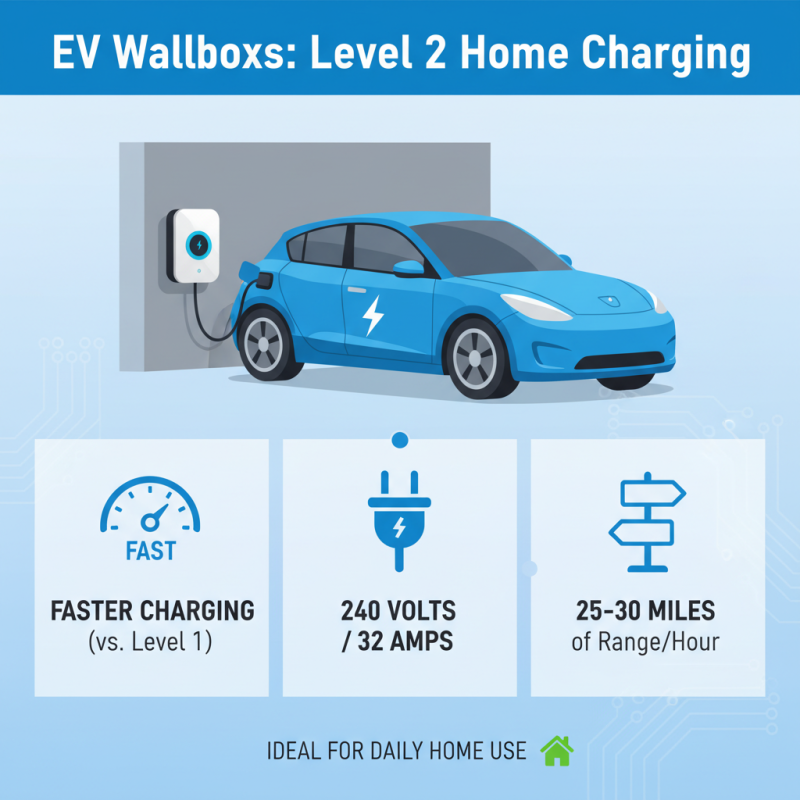
When it comes to EV wallboxes, they come in various types, each designed for specific needs. Level 2 wallboxes are the most common for home charging. They offer faster charging compared to Level 1, delivering 240 volts and up to 32 amps. This can provide an impressive range of 25 to 30 miles per hour of charging, making them ideal for daily use.
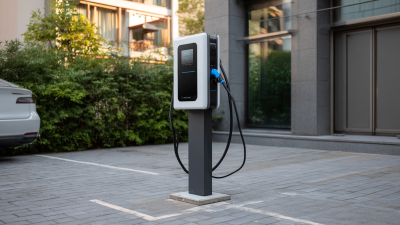
DC fast chargers are another type, designed primarily for commercial use. They can charge an EV to 80% in as little as 30 minutes. This speed is crucial for public charging stations, especially in busy urban areas. However, they require a larger upfront investment and are less common in residential settings.
Tips: If you’re considering a wallbox for home use, think about your EV's charging requirements. Assess the electrical capacity of your home too. Sometimes, installations need additional upgrades.
Solar-compatible wallboxes are gaining popularity. These allow homeowners to use solar energy for charging. This choice promotes sustainability and could potentially lower energy bills in the long run. However, the initial setup can be complicated.
Choosing the right wallbox involves evaluating the needed features and budget. Reports indicate that installation costs can range from $1,000 to $3,000. Be prepared for potential additional expenses.
Benefits of Using an EV Wallbox for Home Charging
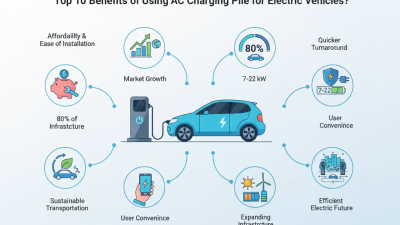
An EV wallbox is a crucial investment for electric vehicle owners. It allows for faster and more efficient home charging compared to standard outlets. According to a recent report by the International Energy Agency (IEA), households with EV wallboxes can charge their vehicles overnight, ensuring a full battery every morning. This convenience has led to a surge in their installation, with a projected growth rate of 44% annually through 2030.
Using an EV wallbox comes with several benefits. It provides a significant reduction in charging time, making it much easier for daily use. Data from the U.S. Department of Energy shows that wallbox chargers can deliver up to 10 times the power of traditional home outlets. This means you can add around 30 miles of range in just one hour! Additionally, a wallbox typically offers smart charging features. These features allow users to track their energy consumption and costs, helping to optimize charging during off-peak hours.
However, the initial investment for an EV wallbox can be a concern for some. While prices vary, installation can be costly. It's vital to consider long-term savings on fuel costs and maintenance. Moreover, not all homes are equipped to handle the necessary electrical load. This can make installation impractical for certain households. It’s essential for potential buyers to assess their needs carefully.



 Phone
Phone Send Email
 whatsapp
 Facebook
 Youtube