How to Find the Best DC Fast Charger Station for Your Needs?
Finding the right DC Fast Charger station is crucial for electric vehicle (EV) users. According to Dr. Emily Chen, a leading expert in EV infrastructure, "Selecting a DC Fast Charger station involves understanding your specific charging needs." With the rapid growth of EVs, the demand for accessible and efficient charging options has surged.
Many factors come into play, such as charging speed, location, and compatibility with your vehicle. Identifying the best station can be a challenge. Some stations offer high speeds but lack reliability or accessibility. It's essential to consider whether a station aligns with your driving habits and daily routine.
The landscape of DC Fast Charger stations is constantly evolving. New technologies and locations emerge regularly. Keeping track of these updates can feel overwhelming. However, thorough research and thoughtful decision-making can lead to a more satisfying charging experience. Remember, choosing wisely can enhance your EV journey significantly.
Understanding DC Fast Chargers: What You Need to Know
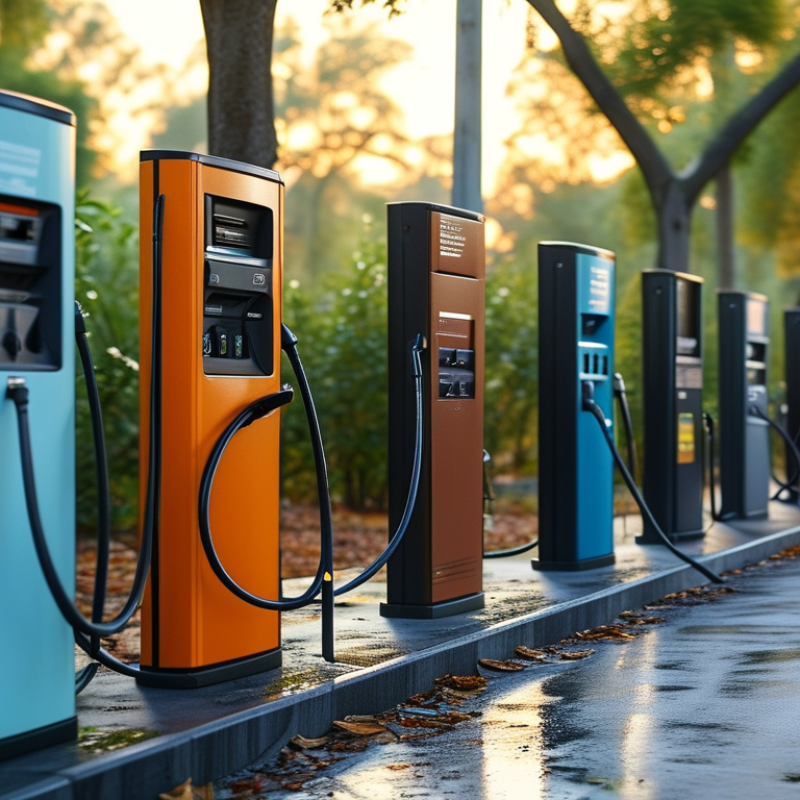
DC fast chargers are essential for electric vehicle (EV) users who need quick charging solutions. Understanding the key aspects of these chargers is crucial. They offer power levels ranging from 50 kW to over 350 kW, significantly reducing charging time compared to standard chargers. Typically, a DC fast charger can recharge an EV's battery to 80% in just 30 minutes. This speed makes them ideal for road trips and urban settings with fast turnaround needs.
Choosing the right charger involves considering several factors. Check the compatibility with your vehicle’s charging port and battery capacity. Different chargers may work better for different EV models. It’s also wise to review the network coverage in your area. Some chargers may not be available during peak hours or may be under maintenance. Reliable information sources, such as local EV forums or apps, can provide insights.
However, not all fast charging solutions are created equal. Some chargers might have longer wait times due to user traffic. Additionally, the cost per kWh can greatly vary. Understanding these variables will help you make informed choices. It’s crucial to stay open to feedback and continuously research to find the best charging options that fit your lifestyle and travel patterns.
Identifying Your Charging Requirements and Travel Habits
When choosing a DC fast charger station, understanding your charging requirements and travel habits is crucial. Consider how often you travel long distances. If frequent, you'll need a station with higher charging power. Check the typical range of your electric vehicle. If it’s limited, opt for stations located at regular intervals along your routes. Also, think about the types of trips you take. Short daily commutes might not need high-speed charging. But long trips necessitate rapid charging options.
Evaluate the charging speed. Some stations provide only partial charging capabilities. It’s vital to know how long you can wait. Plan your stops accordingly. What about your home charging setup? If it's reliable, you might not need to depend solely on public stations. However, if you are often on the go, research nearby stations that fit your charging needs. Remember, not every solution will fit perfectly. Flexibility in your choices can save time and reduce stress during long journeys. Think about the payment methods accepted at different stations. This could impact your overall experience.
Evaluating Charger Locations and Accessibility
When searching for the best DC fast charger station, evaluating locations and accessibility is crucial. Not all charging stations are created equal. Some are conveniently located near shopping centers, while others are hidden away in less accessible areas. Consider proximity to your daily routes to save time during charging.
Accessibility also involves the ease of entering and exiting the station. A site with heavy traffic or complicated layouts can deter drivers. Some stations might have restricted hours, limiting your options. Look for locations with good signage and a clear entry point. If you have specific mobility needs, check for ADA compliance at the chosen charging station.
While you may find stations using apps or maps, not all information is accurate. Reviews can be misleading, often focusing on amenities rather than actual accessibility. It’s important to visit a few locations personally. Pay attention to the condition of the charging stations as well. Some may be outdated, requiring troubleshooting. Navigating the options may take effort, but finding the right spot enhances the overall charging experience.
Comparing Charging Speeds and Costs Among Stations
When selecting a DC fast charger station, understanding charging speeds and costs is essential. Different stations offer varied power outputs. Most charge your vehicle between 50 kW to 350 kW. This range significantly impacts how quickly your battery replenishes. A higher charging speed means less waiting. However, these stations may not always be nearby.
Costs also play a crucial role in your decision. Some stations charge per kilowatt-hour, while others have a flat rate or a membership fee. A lower price may seem attractive but could come with longer wait times. Understanding how each station calculates fees can help you budget effectively.
Choosing the right station is not a one-size-fits-all scenario. Many people might overlook transaction fees or maintenance costs. It’s also vital to consider the station's reliability and availability. Poorly maintained chargers can lead to frustration. Checking user reviews can provide insights into each station’s performance. Always keep your charging habits in mind, as they will guide you toward the best choice.
Choosing the Right Payment Options and Membership Programs
When choosing a DC fast charger station, payment options and membership programs play a crucial role. Many stations offer various payment methods, including credit cards, mobile apps, and membership cards. Evaluating these options is important. Some users find mobile payments convenient, while others prefer traditional cards. A flexible payment structure can enhance your charging experience.
Membership programs can provide savings over time. Some networks offer monthly subscriptions with reduced rates for frequent users. Consider your charging habits before joining a program. If you charge often, a membership could save you money and streamline payments.
However, it's essential to assess the terms of these programs. Some may have hidden fees or require long-term commitments. Take the time to read the fine print. This ensures you don’t face unexpected charges. Always remain vigilant about the changing landscape of charging costs and services. Your choice of payment and membership should align with your charging frequency and budget.


 Phone
Phone Send Email
 whatsapp
 Facebook
 Youtube