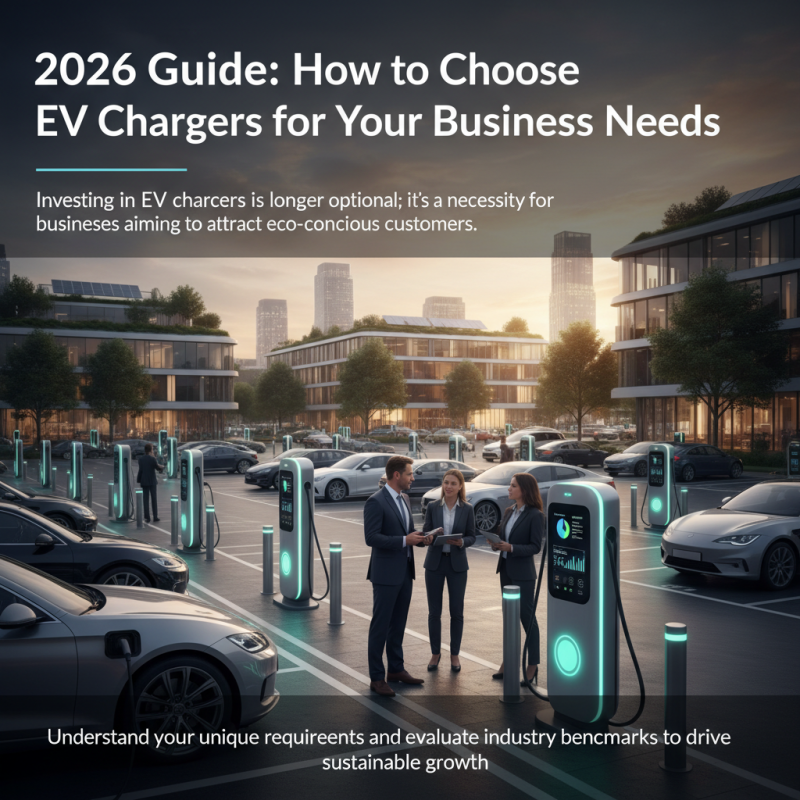
2026 Guide: How to Choose EV Chargers for Your Business Needs
As businesses increasingly shift toward sustainability, the demand for EV chargers for business is on the rise. A recent report by the International Energy Agency highlighted that the number of electric vehicles worldwide is expected to exceed 145 million by 2030. This creates a significant opportunity for companies to invest in charging infrastructure.
Dave Johnson, a leading expert in EV charging solutions, says, “Investing in EV chargers is no longer optional; it's a necessity for businesses aiming to attract eco-conscious customers.” This perspective reflects the growing emphasis on green initiatives. However, while many companies rush to install chargers, some overlook essential factors like location, usage patterns, and the power supply infrastructure.
Choosing the right EV chargers for your business requires careful consideration. Not all chargers are created equal, and many businesses still lack a clear strategy. With diverse models and specifications available, the decision-making process can be overwhelming. By understanding your unique requirements and evaluating industry benchmarks, you can make informed choices that drive sustainable growth.
Understanding the Importance of EV Chargers for Businesses
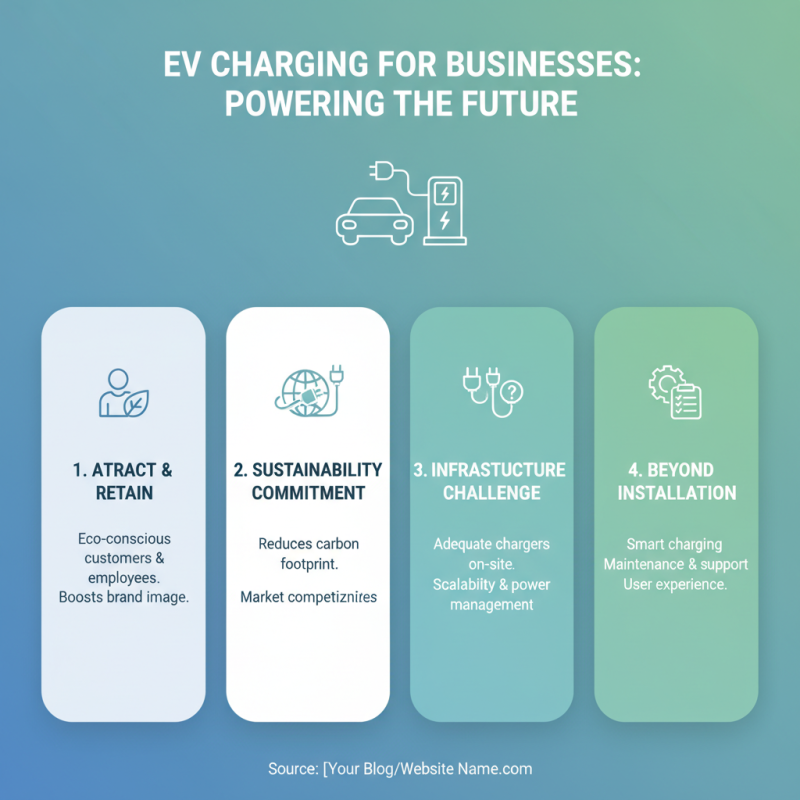
The rise of electric vehicles (EVs) is changing how businesses operate. Many companies now face the challenge of providing adequate charging infrastructure. Having EV chargers on-site can attract eco-conscious customers and employees. It reflects a commitment to sustainability. This is increasingly crucial in a competitive market. However, simply installing chargers isn’t enough.
Business owners must consider their specific needs. Foot traffic, customer parking, and employee access all play a role. What if the chargers are not used? Choosing the wrong type could lead to wastage and dissatisfaction. Assessing your target audience is key to making informed decisions. Sometimes, the choice may seem daunting. Not every business has the same volume of EV users. It’s essential to remember that planning ahead saves money in the long run.
Moreover, the installation process can be more complicated than expected. There may be space limitations or electrical issues that arise. These factors can delay deployment. Regular maintenance and upkeep add to the responsibilities. Businesses must reflect on their long-term vision. Are they ready for this transition? The importance of thoughtful EV charger selection cannot be overstated.
Identifying Your Business's Charging Needs and Goals
Businesses today are increasingly considering electric vehicles (EVs) as part of their fleets. Identifying charging needs is vital. A report from the International Energy Agency (IEA) indicates that the number of EVs on the road will likely exceed 300 million by 2030. This shift requires businesses to assess their charging infrastructure carefully.
Start by evaluating the type of EVs your fleet will use. Will they be light-duty vehicles or larger trucks? Each type has different charging requirements. A study from McKinsey suggests that during peak hours, up to 80% of EV charging occurs at commercial locations. This highlights the importance of having adequate chargers to avoid congestion and downtime.
Consider future growth as well. Many businesses underestimate the pace of EV adoption. A recent study found that over 70% of businesses anticipate needing more charging stations within five years. Planning for scalability is essential. If your infrastructure cannot grow with your needs, it may become a bottleneck, affecting operations. Assessing your charging goals can help prevent these pitfalls.
2026 Guide: How to Choose EV Chargers for Your Business Needs
| Charging Station Type |
Power Output (kW) |
Charging Speed |
Ideal Usage |
Installation Cost (est.) |
| Level 1 Charger |
1.2 kW |
6-8 hours |
Home and Small Business |
$300 - $600 |
| Level 2 Charger |
7.2 - 22 kW |
4-6 hours |
Commercial Use |
$2,000 - $5,000 |
| DC Fast Charger |
50 - 350 kW |
30 minutes |
High Traffic Locations |
$10,000 - $40,000 |
| Wireless Charger |
Varies |
2-4 hours |
Innovative Facilities |
$5,000 - $15,000 |
Evaluating Different Types of EV Chargers Available
When choosing EV chargers for your business, understanding the different types available is essential. Level 1 chargers are the most basic. They use a standard outlet and take longer to charge vehicles. These may be sufficient for businesses with low usage. However, they aren't ideal for every situation. Depending on daily traffic, this type could leave customers waiting.
Level 2 chargers offer a significant upgrade. They provide faster charging options and are commonly found in commercial settings. Installation costs can be higher, but the time savings are often worth it. Many businesses find that a mix is effective. Using Level 2 chargers for public-facing locations can enhance customer satisfaction. Meanwhile, Level 1 chargers are useful for employee parking.
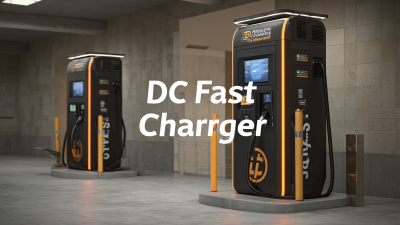
Fast charging stations are another option. They provide rapid charging, making them ideal for high-traffic areas. These chargers draw more power. They can be expensive to install and maintain. Businesses need to evaluate their energy capacities before investing. Choosing the right EV charger requires careful thought. Reflecting on your unique needs is essential. What works for one business may not suit another.
Implementing and Maintaining EV Charging Solutions Efficiently
As businesses increasingly adopt electric vehicles (EVs), the need for reliable EV charging solutions grows. Implementing these solutions effectively requires careful planning and management. According to recent industry reports, nearly 30% of companies still lack adequate charging infrastructure. This gap presents both challenges and opportunities.
When selecting EV chargers, consider installation locations. A well-placed charger maximizes convenience for users. Many organizations find that offering charging stations not only attracts customers but also motivates employees to switch to EVs. Make sure to analyze local electricity rates too. Fluctuations can significantly affect operational expenses.
Tips: Evaluate the power output. It determines how fast vehicles charge. Limited power might frustrate users. Regularly schedule maintenance checks. A malfunctioning charger can lead to downtime, hurting your reputation. Keep your workforce informed and trained on the systems in use. Knowledge gaps can cause misunderstandings and inefficiencies.





 Phone
Phone Send Email
 whatsapp
 Facebook
 Youtube