How to Optimize Business Electric Vehicle Charging Solutions?
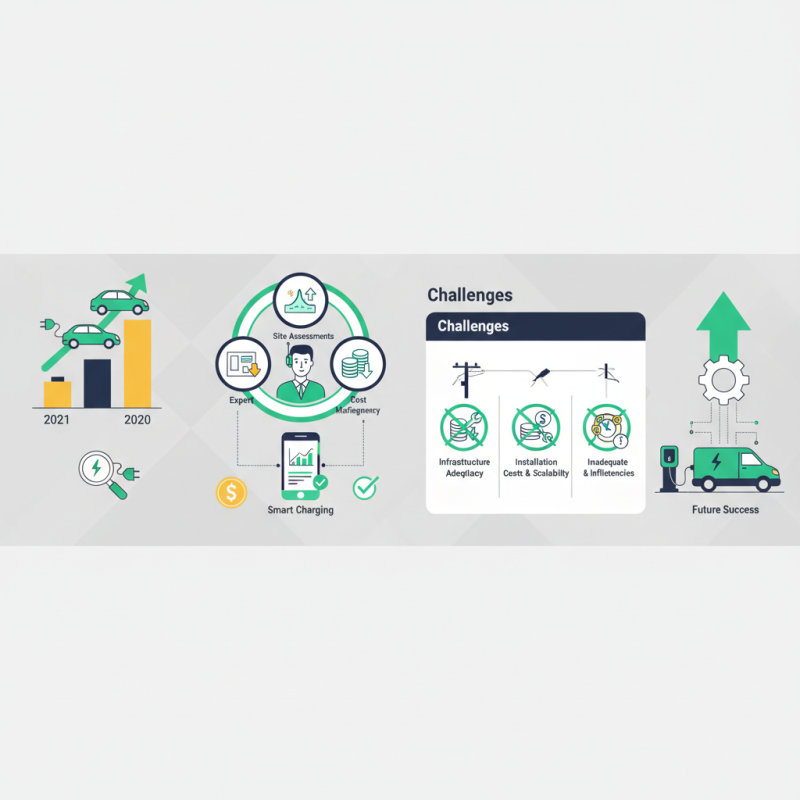
The rise of electric vehicles has transformed businesses everywhere. A report from the International Energy Agency indicates that global electric vehicle sales reached 6.6 million units in 2021, a 108% increase from the previous year. This trend demands effective Business Electric Vehicle Charging solutions for optimal performance. As companies adopt electric fleets, the need for sustainable charging infrastructure becomes urgent.
Expert Mark Johnson, a leader in the electric vehicle industry, emphasizes, "Effective charging solutions are crucial for businesses to thrive in the electric transition." Organizations must consider site assessments, energy management, and cost efficiency. Integrating smart charging technologies can enhance user experience while reducing expenses. However, many companies still underestimate the complexity of these systems and their potential impact on operations.
Challenges in Business Electric Vehicle Charging are not insignificant. For instance, the adequacy of existing electrical infrastructure can hinder implementation. Businesses must navigate installation costs and overall scalability. Inadequate planning may lead to inefficiencies and lost opportunities. As the industry grows, addressing these shortcomings and adapting strategies becomes essential for future success.
Understanding the Importance of Electric Vehicle Charging in Businesses
The importance of electric vehicle (EV) charging solutions in businesses is undeniable.
A report by the International Energy Agency shows that EV registrations have increased by over 40% in the past year. This rising trend highlights the need for businesses to adapt their infrastructure. Effective charging stations can enhance customer satisfaction and attract eco-conscious consumers.
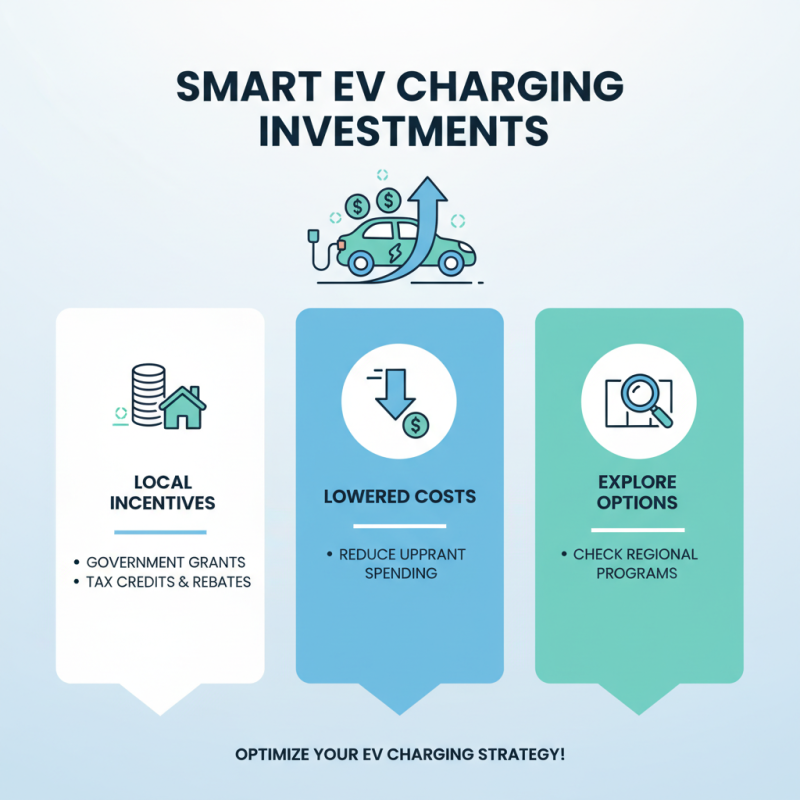
Moreover, businesses can benefit from financial incentives for installing EV chargers. The U.S. Department of Energy indicates that companies can save on installation costs by up to 50% through various grant programs. However, many businesses still hesitate. They worry about the initial investment and maintenance costs. This fear can stifle potential growth.
Making charging stations more accessible can foster a more sustainable image. Yet, many companies overlook the basic planning required for installation. Issues like optimizing location and considering employee needs often get ignored. Providing enough charging options that match peak demand is crucial. A lack of foresight can lead to long waiting times, leaving customers frustrated. Businesses must reflect on their strategies to avoid such pitfalls.
Assessing the Charging Needs Based on Vehicle Fleet Size and Type
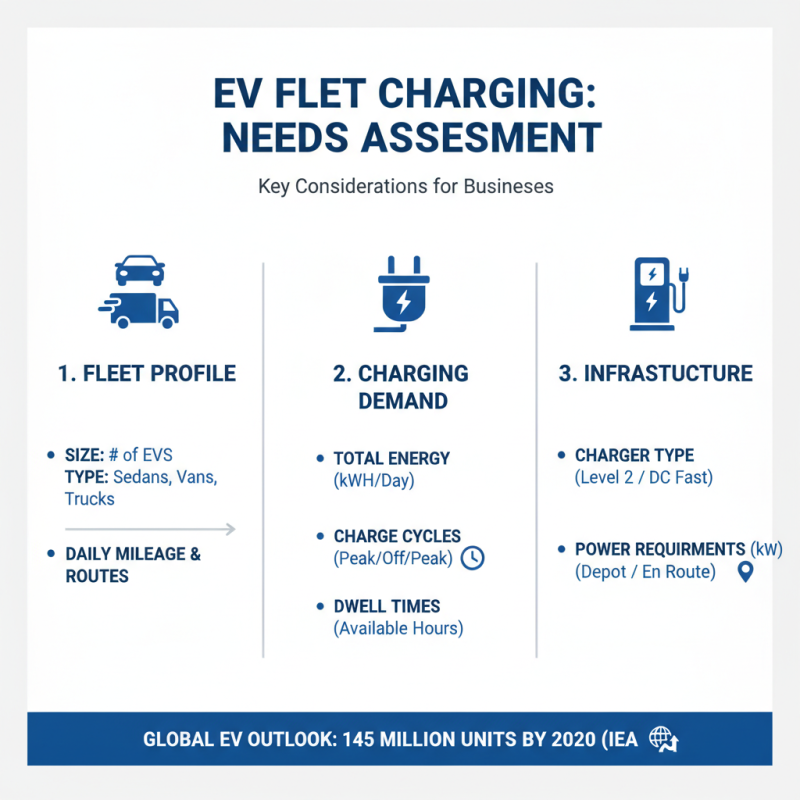
Assessing the charging needs of a vehicle fleet is crucial for businesses considering electric vehicle (EV) integration. Fleet size and type heavily influence the charging infrastructure required. According to a report from the International Energy Agency, electric cars are expected to reach 145 million units globally by 2030. This sharp increase means businesses must evaluate their current vehicle usage and predict future requirements.
Different vehicle types have varying charging needs. Light-duty vehicles might need standard AC chargers, while heavy-duty ones may require high-power DC fast chargers. A study by the Department of Energy noted that fleets with over 100 vehicles often see reduced energy costs when implementing robust charging solutions tailored to their specific needs. This approach also helps manage energy loads during peak hours, lowering demand charges.
However, many companies underestimate the complexity of their charging requirements. There may be unexpected downtime due to inadequate infrastructure. Weak planning can lead to a mismatch between charging capacity and vehicle usage patterns. Businesses should regularly re-evaluate their charging strategies to accommodate growth and technological advancements. Delaying this assessment could cost them both time and resources, creating inefficiencies that impact their operations.
Choosing the Right Charging Infrastructure for Your Business
Choosing the right charging infrastructure for your business can be challenging. The type of charging stations you select will impact your overall efficiency. Consider your fleet size and the usage patterns of your electric vehicles. It’s crucial to match the charging capabilities to your daily needs.
Tip: Assess your employees' schedules. Do they drive often? This will help you estimate the number of chargers required. A small business might need just a few, while larger companies may need many more. Look into the costs of installation and maintenance as well. Some solutions may appear cost-effective initially but include hidden fees.
Think about the location of the chargers too. Are they accessible to everyone? Poorly placed charging points can lead to longer wait times. Employees may feel frustrated if they can't easily find a charging station. Consider signage and user guides to improve awareness and usage.
Tip: Research potential future growth. If you plan to expand your fleet, consider scalable solutions. This approach allows for growth without needing a complete overhaul later. Always keep in mind the evolving technology of vehicle charging; staying updated is vital.
Implementing Smart Charging Solutions for Energy Efficiency
Implementing smart charging solutions for electric vehicles can significantly enhance energy efficiency. These solutions use data and connectivity to optimize charging times and reduce costs. Smart chargers can schedule charging during off-peak hours. This takes advantage of lower energy rates and minimizes stress on the grid.
Tips: Evaluate your energy usage patterns. This helps in determining the best charging times. Using real-time data can inform these decisions. Moreover, consider integrating renewable energy sources like solar panels. This not only lowers costs but also supports sustainability.
Finding the right balance is crucial. Some businesses may rely heavily on charging during peak hours. This approach can lead to higher energy bills. Instead, explore demand response programs. These allow businesses to shift energy uses based on real-time grid conditions. It may require effort, but the potential savings are worth it.
Collaboration with local utilities is also beneficial. They can provide valuable insights into energy trends. Utilize this information to adjust your charging strategies. Being flexible is key. The evolving grid landscape necessitates continuous adaptation and refinement.
How to Optimize Business Electric Vehicle Charging Solutions?
| Charging Solution |
Charging Power (kW) |
Efficiency (%) |
Cost per Charge ($) |
Charging Time (hours) |
Smart Features |
| Level 1 Charger |
1.9 |
85 |
2.50 |
8-12 |
Basic |
| Level 2 Charger |
6.6 |
90 |
5.00 |
4-6 |
Timed Charging |
| DC Fast Charger |
50 |
95 |
15.00 |
0.5-1 |
Dynamic Load Management |
| Ultra Fast Charger |
350 |
97 |
30.00 |
0.25 |
Remote Monitoring |







 Phone
Phone Send Email
 whatsapp
 Facebook
 Youtube