What is Solar Powered Ev Charging Station and How Does it Work?
As the world shifts towards sustainable energy, Solar Powered EV Charging Stations are gaining attention. These stations are designed to harness solar energy, providing a clean way to charge electric vehicles. By integrating solar panels with charging infrastructure, they convert sunlight into electricity. This innovative approach not only reduces reliance on fossil fuels but also lowers charging costs for users.
However, the implementation of Solar Powered EV Charging Stations comes with challenges. The initial investment in solar technology can be high, and the efficiency depends on weather conditions. Moreover, site selection plays a crucial role in optimizing their performance. Despite these obstacles, the potential benefits are significant. Users can enjoy eco-friendly charging options while helping to reduce carbon footprints in their communities.
In conclusion, Solar Powered EV Charging Stations represent a step towards a greener future. They are not without flaws, but their advantages make them a worthwhile consideration. As technology advances, these systems may become more accessible and effective for everyday users.
What is a Solar Powered EV Charging Station?
A solar powered EV charging station uses solar panels to convert sunlight into electricity. This renewable energy powers electric vehicles while reducing reliance on fossil fuels. According to a report by the International Renewable Energy Agency, solar energy can significantly cut greenhouse gas emissions. As electric vehicle adoption increases, incorporating solar technology becomes crucial for sustainable transportation solutions.
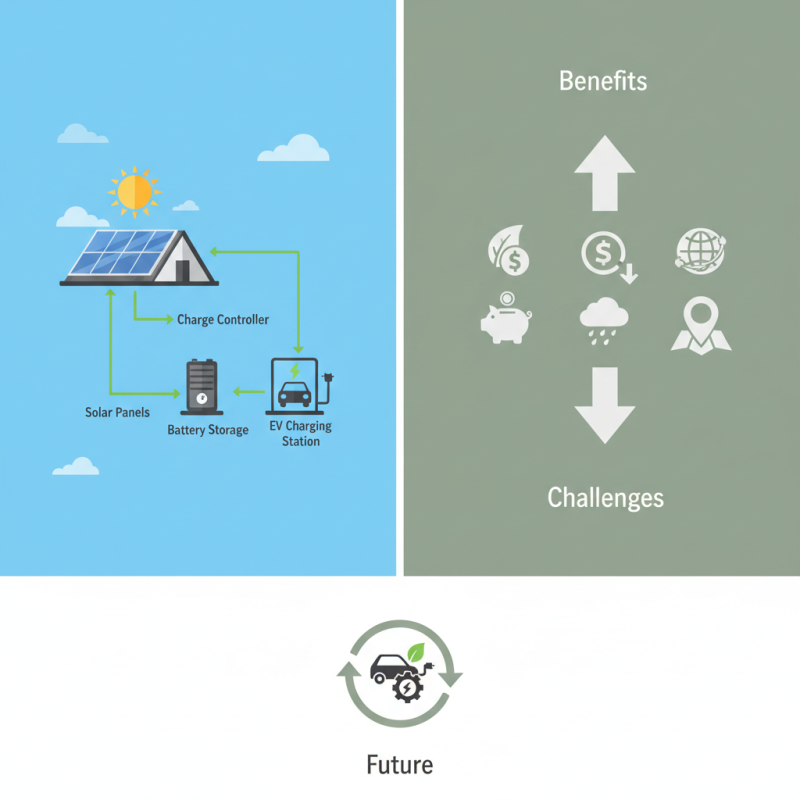
These charging stations typically consist of solar panels, an inverter, and a battery storage system. The panels capture sunlight and convert it into usable electrical energy. The inverter transforms this energy into a suitable form for EVs. Batteries store excess energy for use when sunlight is low, like at night. This system enhances grid independence and can provide charging during power outages.
**Tips**: When considering solar powered chargers, evaluate the location carefully. Areas with high sun exposure are ideal. Regular maintenance is essential for optimal performance. Look for reputable installation companies with proven experience. Always ensure your system aligns with local regulations.
Solar Powered EV Charging Station Energy Usage
This chart represents the energy usage of a solar-powered EV charging station throughout different times of the day. It shows peak energy usage during the afternoon, correlating with higher sunlight availability, while nighttime usage is minimal.
Key Components of Solar Powered EV Charging Stations
Solar-powered EV charging stations are an innovative solution combining renewable energy with electric vehicle charging. The core components of these systems include solar panels, an inverter, a battery storage unit, and charging units. Each part plays a vital role in ensuring smooth operation and maximum efficiency.
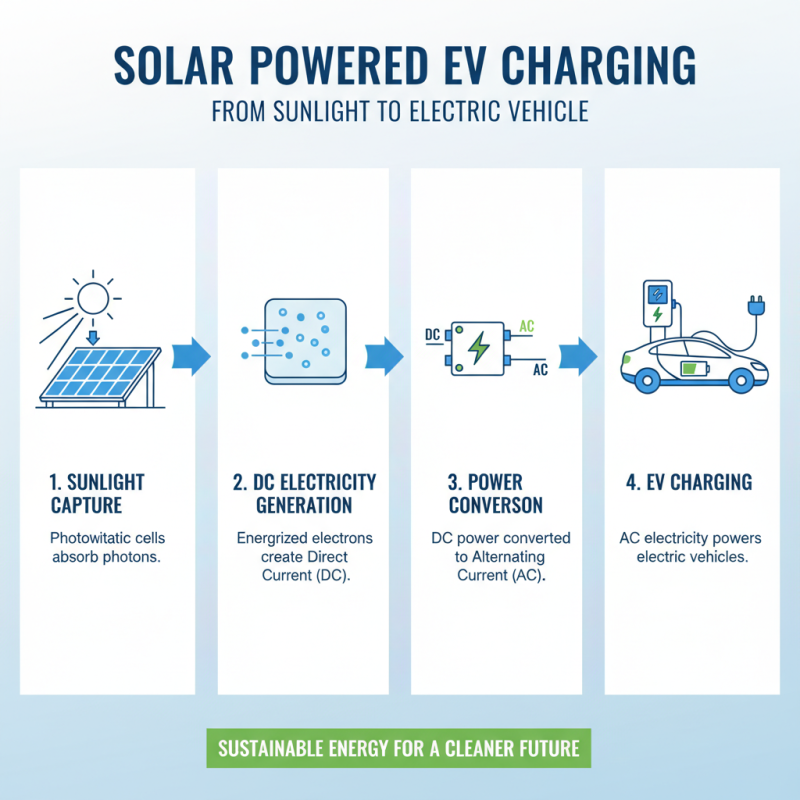
Solar panels capture sunlight and convert it into direct current (DC) electricity. The inverter then transforms this DC power into alternating current (AC) that vehicles can use. Battery storage systems are crucial for managing energy supply, especially when sunlight is not available. By storing excess energy, they offer reliable power for both daytime and nighttime charging. Charging units connect directly to the EVs, providing the necessary power while ensuring safety and compatibility.
Despite the advantages, challenges exist. Weather conditions can affect solar energy generation. During rainy days or cloudy weather, solar output may be less than expected. Additionally, the initial costs of installing these systems can be higher than traditional charging stations. Still, the long-term benefits of reduced energy costs and environmental impact make solar-powered stations an appealing choice. It's essential to assess local conditions and energy needs before implementation.
How Solar Panels Convert Sunlight into Electricity for EV Charging
Solar panels play a crucial role in powering electric vehicle (EV) charging stations. They convert sunlight into electricity through photovoltaic cells. These cells absorb photons from sunlight, causing electrons to become energized. This process creates direct current (DC) electricity. The increasing demand for sustainable energy sources enhances the role of solar energy in EV charging.
According to the International Energy Agency, solar power installs grew by over 18% in 2022, showing a strong trend toward renewable energy. In optimal conditions, a typical solar panel can generate about 300 to 400 watts of power. This is often sufficient for charging an electric vehicle, especially when paired with efficient energy storage systems. However, factors like sunlight availability and geographic location affect performance.
Combining solar energy with EV charging stations poses certain challenges. Not every location receives sufficient sunlight year-round. Therefore, integrating additional power sources may be necessary. While solar-powered charging stations contribute to reducing greenhouse gas emissions, they also require careful planning and investment. This is essential to ensure reliability and functionality for users.
Efficiency and Benefits of Solar EV Charging Stations
Solar EV charging stations are gaining attention for their unique blend of sustainability and convenience. These stations harness sunlight to generate electricity. This means they use solar panels to convert solar energy into power for electric vehicles. The integration of solar technology reduces reliance on the traditional power grid. This change leads to lower energy costs and a smaller carbon footprint.
One notable benefit of solar EV charging stations is their operational efficiency. They can be set up in various locations, making charging accessible. Even in remote areas, solar-powered options can provide solutions where infrastructure is lacking. However, the dependence on sunlight means performance can vary. Charging may slow on cloudy days or during winter months.
The advantages extend beyond just cost savings. Solar charging stations promote a greener ecosystem. They contribute to clean energy goals. Although some challenges exist, such as initial setup costs, the benefits often outweigh these issues. As technology advances, the future looks promising for solar EV charging solutions. Integrating this innovation into urban planning could enhance sustainable transportation significantly.
Industry Statistics on Solar EV Charging Adoption and Growth Trends
The adoption of solar-powered EV charging stations is on the rise. Some reports indicate that the global market for solar EV charging infrastructure is expected to grow by over 30% annually. This rapid expansion reflects a growing awareness of sustainability and clean energy usage. As electric vehicle sales surge, the need for charging solutions continues to grow.
In 2022, it was estimated that approximately 18% of new electric vehicles were using solar-powered charging stations. This trend is supported by significant advancements in solar technology and decreasing costs. For example, the price of solar panels dropped by nearly 80% in the past decade. As the technology improves, more businesses and municipalities invest in these green charging solutions.
Tips: Consider the location for solar charging installations. Areas with high sunlight exposure are ideal. Regular maintenance is essential to ensure efficiency. Also, educating consumers about the benefits of solar EV charging can increase adoption rates. The transition to cleaner energy sources is not just essential but also offers potential cost savings in the long run. Consider the future when making decisions today.






 Phone
 Send Email
 whatsapp
 Facebook
 Youtube