How to Start an Electric Charging Business in 2026?
The rise of electric vehicles has transformed the transportation landscape. As we approach 2026, the demand for electric charging stations is growing exponentially. Starting an Electric Charging Business presents a viable opportunity for entrepreneurs to enter this emerging market. Cities are increasingly focusing on sustainability. This shift creates a need for accessible charging solutions.
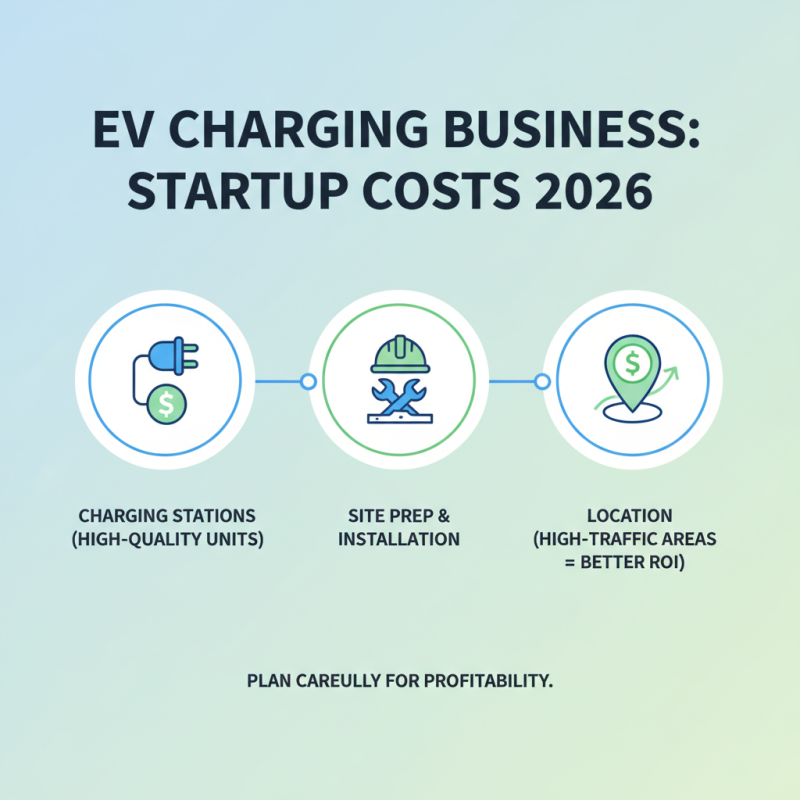
Imagine a world where electric vehicles are the norm rather than the exception. Charging stations will become essential infrastructure. However, challenges remain. Location choices must attract customers and maximize usage. Cost factors, such as equipment investment and operational expenses, require careful consideration. Understanding the local market is crucial for success.
Venturing into this business is not without risks. Unforeseen competition could emerge as the industry expands. Reflections on infrastructure needs and technological advancements will guide your decisions. By staying informed and adaptable, you can turn challenges into opportunities in the Electric Charging Business.

Understanding the Electric Vehicle Market Trends for 2026
The electric vehicle (EV) market is rapidly expanding. Experts predict a significant increase in EV adoption by 2026. Many consumers are shifting their preferences towards cleaner energy. This change creates opportunities for new charging stations. More infrastructure is needed to meet growing demand.
As you explore the market, consider various locations. Urban areas will likely need more charging options. Residential zones will also become important, especially in multi-family units. Mobile charging services might be a viable solution. Understanding where to place stations is crucial for success.
While the trends seem positive, challenges exist. The charging network must accommodate diverse vehicle types. Some regions may face regulatory hurdles or funding issues. Balancing capacity with rapid advancements in technology is necessary. You may need to reevaluate your strategies frequently. Building flexibility into your business model is vital for adapting to changes.
Electric Vehicle Market Trends for 2026
Identifying Key Locations for Electric Charging Stations
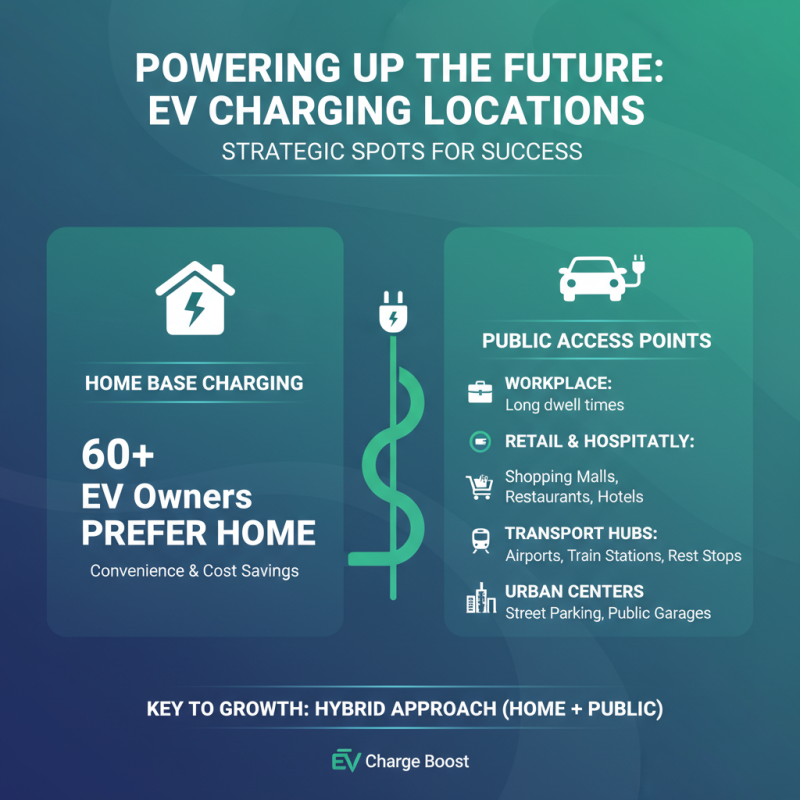
Identifying key locations for electric charging stations is crucial for a successful electric charging business. According to a recent industry report, over 60% of electric vehicle (EV) owners prefer charging at home. However, this alone isn’t enough. Public access points are essential.
High-traffic areas should be prioritized. Think shopping malls, busy streets, and highway rest stops. A market analysis shows that charging stations in these locations can increase utilization rates by up to 40%. Moreover, proximity to restaurants or cafes can enhance customer experience and dwell time. Offering amenities where people can spend their waiting time will draw more customers.
It’s important to reflect on the evolving landscape of EV adoption. Data from industry sources suggest that by 2026, EV sales will account for 15% of the total vehicle market. With this growth comes the need for an even larger network of chargers. Ignoring the potential for underserved areas may lead to missed opportunities. Assessing residential areas with fewer charging options can provide a competitive edge. Understanding local demographics and traffic patterns is key to making informed decisions.
Selecting the Right Technology and Equipment for Charging Stations
When starting an electric charging business in 2026, selecting the right technology is crucial. This market is expected to grow significantly, with a projected increase of 20% annually through 2030. Many charging stations will need to accommodate various EV models. Different types of chargers, like Level 2 chargers for home use and DC fast chargers for public stations, will be essential. Each technology serves unique needs, impacting installation and operational costs.
Investing in reliable equipment matters. Research shows that stations with high uptime can attract 30% more users. The choice of charging hardware affects user experience. It's important to evaluate the power output and charging speed. Moreover, compatibility with multiple EV models will enhance customer satisfaction. Look for equipment that can integrate with smart technology, providing real-time data on charger status and usage patterns.
However, challenges exist. Not all equipment is user-friendly, and some may lack intuitive interfaces. Local regulations may also affect installation and compliance. Businesses must carefully assess these factors when choosing technology. Regular maintenance and software updates are necessary to maintain efficiency and user engagement.
How to Start an Electric Charging Business in 2026? - Selecting the Right Technology and Equipment for Charging Stations
| Charging Station Type |
Charging Speed (kW) |
Installation Cost ($) |
Space Requirement (sq ft) |
Average ROI Period (Years) |
| Level 1 Charging |
1.4 - 2.4 |
500 - 2,000 |
200 |
5 - 10 |
| Level 2 Charging |
3.7 - 22 |
2,000 - 5,000 |
200 - 400 |
3 - 7 |
| DC Fast Charging |
25 - 350 |
10,000 - 50,000 |
400 - 800 |
1 - 3 |
| Wireless Charging |
> 11 |
5,000 - 15,000 |
150 - 300 |
4 - 8 |
Navigating Regulatory Requirements and Permits for Charging Businesses
Starting an electric charging business in 2026 involves navigating a complex web of regulatory requirements and permits. One of the first steps is to understand local laws. Each area may have different rules regarding installation and operation. Research your location's zoning laws. These dictate where charging stations can be placed. It's vital not to overlook this step, as a wrong decision could lead to costly penalties.
Permits are another essential component. Businesses often need multiple permits. These may include building permits, electrical permits, and environmental permits. It's easy to get overwhelmed by the paperwork involved. Some might underestimate the time it takes to obtain these permits. Delays are common, and they can stall your business plans.
Engaging with local authorities early can help ease the process. You should also consider consulting legal experts familiar with these matters. Their guidance can prevent missteps. Sometimes, local regulations may not be clear, leading to confusion. Be prepared for this ambiguity. Flexibility is key. You might find that requirements change as the business develops. Always stay informed and adaptable to these changes.








 Phone
Phone Send Email
 whatsapp
 Facebook
 Youtube