Top 10 Tips for Installing Solar Powered EV Charging Stations?
As the world shifts towards sustainable energy, "Solar Powered EV Charging Stations" are becoming essential. John Smith, a leading expert in renewable energy, once said, "Integrating solar power into EV charging is a game-changer for the environment." This statement highlights the importance of harnessing solar energy to power electric vehicles.
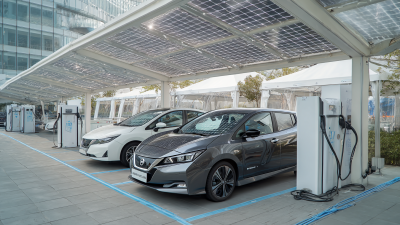
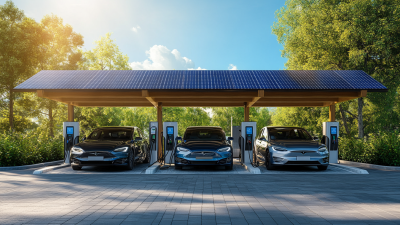
Installing a Solar Powered EV Charging Station requires careful planning and implementation. Attention to detail can prevent common pitfalls. For instance, site selection and orientation are vital for maximizing solar energy capture. A poorly positioned station may yield less power than expected.
Understanding local regulations and utility incentives is another critical factor. These aspects can either facilitate or hinder the installation process. Thus, research is essential before getting started. There are many layers to consider, from equipment selection to installation costs. Each decision can influence the overall effectiveness of the charging station.
Choosing the Right Location for Your Solar EV Charging Station
Choosing the right location for your solar EV charging station is crucial. An ideal site maximizes sunlight exposure while ensuring accessibility. According to a report by the National Renewable Energy Laboratory, locations with at least 5.5 hours of sunlight per day yield the best results. Urban areas are often advantageous due to higher EV usage.
Ensure the site is near existing infrastructure. Look for locations close to shopping centers, offices, or residential areas. This proximity encourages utilization while minimizing installation costs. Research shows that stations near amenities see a 30% higher usage rate. Evaluate shade from buildings or trees, as even partial shading can negatively impact solar panel efficiency.
**Tip:** Consider a south-facing installation angle for optimal solar gain. Regularly assess potential overgrowth of trees or new constructions affecting sunlight.
Evaluate community needs. Seek feedback from local residents or businesses. You might find the most beneficial location isn’t the one you expected.
**Tip:** Conduct a site survey during different times of the day. Adjust your plans based on sunlight patterns. This data can guide your installation strategy.
Top 10 Tips for Installing Solar Powered EV Charging Stations
Determining Power Needs: Sizing Your Solar Panel System
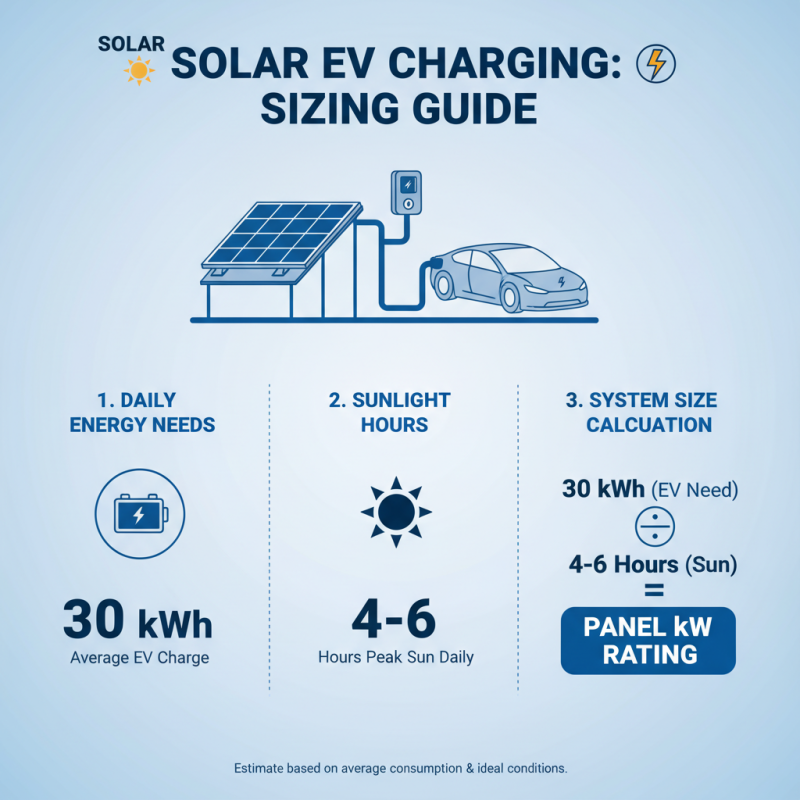
When sizing a solar panel system for electric vehicle (EV) charging stations, power needs play a pivotal role. Consider your average daily energy consumption. Studies indicate that charging an EV typically requires around 30 kWh, depending on the vehicle model and charging habits. To accommodate this, you need to calculate how many hours of sunlight your location receives. Ideal conditions may yield about 4 to 6 peak sunlight hours daily.
Next, evaluate the efficiency of the solar panels you plan to install. Most modern solar panels convert around 15% to 20% of sunlight into usable electricity. If you aim to generate 30 kWh daily, you might need 6 to 8 solar panels, each rated at approximately 300 watts. However, this is not a straightforward calculation. Factors like shading and roof orientation can affect performance. It's critical to test and analyze your potential setup thoroughly. Adjustments may be necessary after initial installation. Ultimately, precise planning can save both time and resources.
Don't overlook energy storage options like batteries. These systems can help manage power supply fluctuations. While batteries add to the upfront costs, they ensure you have electricity available even during cloudy days or at night. Balancing initial investment with long-term savings is essential for making informed decisions in this evolving industry.
Understanding Local Regulations and Permits for Installation
When installing solar-powered EV charging stations, understanding local regulations is crucial. Each municipality has different rules. Some may require permits, while others have specific zoning laws. Researching these details is key to a smooth installation process. Check online resources or visit local government offices for accurate information.
Consider the site for installation. It should receive ample sunlight to maximize efficiency. Local regulations might dictate where you can place the charging station. This can limit options. Assess the area carefully before making decisions.
There are tips that can help navigate this process. Consulting with local officials can clarify requirements. You might also engage with the community. Gathering feedback on site selection can be beneficial. Overall, balancing regulations with efficiency demands careful planning and reflection.
Top 10 Tips for Installing Solar Powered EV Charging Stations
| Tip Number |
Tip Description |
Local Regulation Type |
Permit Required |
Estimated Cost ($) |
| 1 |
Research Local Incentives |
State Regulations |
No |
0 |
| 2 |
Obtain Necessary Permits |
Installation Permits |
Yes |
100 |
| 3 |
Check Zoning Laws |
Zoning Regulations |
No |
0 |
| 4 |
Consult Local Utility |
Utility Regulations |
No |
0 |
| 5 |
Determine Best Location |
Site Assessment |
No |
0 |
| 6 |
Evaluate Solar Exposure |
Environmental Impact |
No |
0 |
| 7 |
Assess Electrical Capacity |
Safety Compliance |
Yes |
150 |
| 8 |
Design Charging Station |
Design Regulations |
Yes |
200 |
| 9 |
Select Installation Contractor |
Licensing Requirements |
Yes |
50 |
| 10 |
Notify Local Authority |
Notification Requirements |
Yes |
0 |
Maintaining and Monitoring Your Solar EV Charging Stations
Maintaining and monitoring your solar EV charging stations is crucial for optimal performance. Regular inspections help identify issues early. Check the solar panels for dirt or debris, as these can block sunlight. A simple wash can often improve efficiency significantly.
Tracking energy production is essential. Use available monitoring tools to assess how much power your station generates. This data reveals if your equipment is underperforming. If you notice a drop in energy output, it’s time for a deeper investigation.
Battery health is another critical factor. Over time, batteries can degrade, losing their efficiency. Monitoring battery status regularly can prevent unexpected outages. Plan for replacements ahead of time. This ensures a reliable charging experience for users. Keeping a maintenance log can also help track performance trends and guide future decisions.


 Phone
Phone Send Email
 whatsapp
 Facebook
 Youtube