2026 Top Charging Station Suppliers for Global Buyers
2026 Top Charging Station Suppliers for Global Buyers is a practical guide for buyers comparing equipment, software, and long-term service. The market is expanding quickly, but supplier quality is uneven. A polished website does not prove dependable field performance. Neither does a low purchase price.
This guide examines Charging Station Suppliers through measurable procurement details. These include AC and DC power ranges, connector compatibility, thermal management, payment systems, remote monitoring, and cybersecurity practices. It also considers certification records, warranty terms, spare-part access, installation support, and response times. For fleet depots, a 360 kW cabinet may reduce charging windows. For apartments, load balancing and quieter hardware can matter more. A rural site may need stronger weather protection and simpler maintenance.
Real deployments reveal more than brochures. We look for uptime evidence, commissioning experience, published test data, and references from comparable markets. Regional grid conditions, incentives, import procedures, and service capacity can change the final decision. Buyers should verify every claim with current documents and local technical advisors. Some supplier information remains incomplete. That limitation deserves attention. No ranking stays perfect.
The goal is not to name one universal winner. It is to help global buyers build a defensible shortlist. Each supplier is assessed for technical fit, commercial transparency, lifecycle value, and practical support. Small details often decide success: a reachable technician, a replaceable cable, or software that reports faults clearly. Good infrastructure should work on an ordinary Tuesday, not only during a product demonstration.
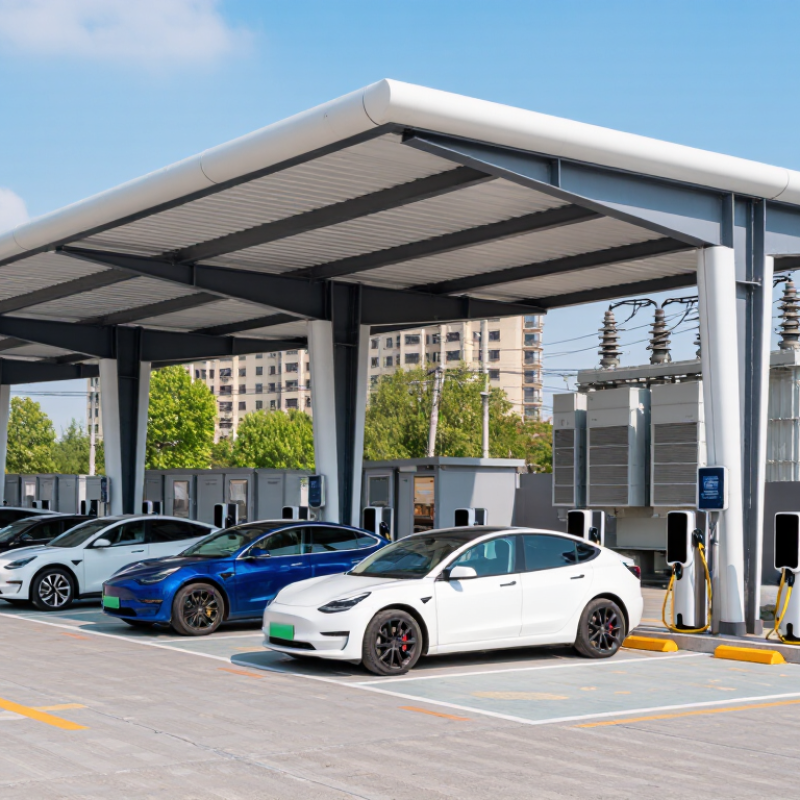
What Defines a Global EV Charging Station Supplier in 2026
A global EV charging station supplier in 2026 must offer more than hardware. It must understand different grids, climates, traffic patterns, and operating rules. A reliable supplier provides chargers tested for heat, cold, humidity, dust, and unstable voltage. It also supports recognized safety certifications and region-specific electrical requirements.
Interoperability is equally important. Chargers should communicate with common management platforms through open protocols, including current versions of OCPP where applicable. Support for smart charging, load balancing, and vehicle-to-grid readiness can reduce pressure on local networks. Clear cybersecurity controls matter too. Secure updates, access management, and protected payment data should be documented, not merely promised.
Real experience appears in the details. Can the supplier provide replacement parts near the installation region? Is remote diagnosis available at night? How quickly can a technician respond to a failed connector? Buyers should request field performance data, service records, and references from similar climates. Published uptime figures may hide excluded faults or ideal test conditions. That deserves scrutiny.
Not every site needs the fastest charger. A workplace may benefit more from stable overnight charging, while a highway site needs high power and careful cooling. A capable supplier helps calculate total ownership costs, including energy losses, maintenance, software, and eventual upgrades. Even strong proposals can miss local construction delays or user behavior. Honest suppliers admit these uncertainties and build practical contingencies.
How to Assess Supplier Quality, Compliance, and Reliability
When assessing charging station suppliers, request evidence beyond product brochures. Ask for evidence. Review electrical safety certificates, EMC test reports, ingress protection ratings, and local market approvals. Check whether documents match the exact model and revision offered. A certificate for an older design may not protect your project. Experienced buyers also inspect production controls, component traceability, and final inspection records. Serial numbers should connect each unit to a test result.
Supplier reliability becomes clearer during technical discussions. Ask how the station handles heat, voltage changes, connector wear, and communication faults. Request measured data from endurance testing, not general promises. Review firmware update procedures, cybersecurity controls, spare-part availability, and response times. A practical factory audit can reveal cable storage problems, rushed assembly, or unclear calibration labels. Small gaps matter. Paper is not performance.
Commercial checks deserve equal attention. Examine warranty terms, replacement procedures, shipping protection, and service coverage in your destination country. Speak with recent buyers about delivery accuracy and fault resolution. One reference is rarely enough. I have seen polished samples perform well while later batches showed inconsistent cooling fans. That possibility deserves direct questions. No audit is perfect. Keep written acceptance criteria, require pilot units, and monitor early installations for temperature, uptime, payment failures, and user complaints. These details often expose reliability issues before a large deployment.
Top Charging Station Suppliers and Their Global Market Strengths
Global charging station suppliers differ sharply in manufacturing scale, software capability, and regional service coverage. Large suppliers often support high-volume projects with modular hardware, remote diagnostics, and standardized spare parts. Their strength is consistency across multiple markets. However, factory scale does not always guarantee smooth local installation.
Regional specialists usually understand grid conditions, parking layouts, weather risks, and installer practices more deeply. In coastal areas, corrosion-resistant enclosures matter. In cold regions, cable flexibility and battery heating support deserve closer testing. Suppliers with local technical teams can shorten repair times and reduce communication gaps. That advantage becomes important when a station serves taxis, delivery fleets, or apartment residents daily.
Professional buyers should examine
charging output, connector options, payment integration, cybersecurity controls, and platform compatibility. Field experience suggests that uptime claims need evidence from comparable climates and traffic levels. Ask for service records, response-time commitments, warranty boundaries, and replacement-part availability. A pilot site can reveal cable handling problems, confusing screens, or unstable network connections before a larger purchase.
No supplier fits every market. Some offer excellent equipment but limited after-sales support. Others provide strong service but fewer customization options. Buyers may also overvalue impressive specifications while ignoring installation quality. That mistake is common. Careful evaluation should combine technical documents, site visits, installer feedback, and measured operating results.
How Global Buyers Should Compare Costs, Services, and Support
When comparing charging station suppliers, global buyers should price the complete operating system, not only the hardware. The IEA’s Global EV Outlook 2024 reported more than four million public charging points worldwide at the end of 2023, with over 600,000 added that year. This rapid expansion makes supplier quality uneven. A cheaper unit may require costly civil work, software subscriptions, or replacement connectors later.
Ask for a five-year total cost of ownership model. Include equipment, shipping, customs, installation, electricity management, payment processing, and spare parts. Check tested output efficiency and warranty coverage. Also request evidence of uptime from similar climates. Heat, dust, salt air, and winter freezing expose weak designs. They matter.
Service terms deserve equal attention. Require remote diagnostics, firmware control, clear response times, and local technicians. Open communication protocols can reduce dependence on one software platform, but compatibility claims should be tested with your backend. The IEA notes that charging deployment must grow much faster to support future electric vehicle adoption, so delayed repairs can quickly become revenue losses. I would not trust a perfect uptime promise without maintenance records. Compare training, spare-part stock, cybersecurity procedures, and escalation contacts in writing. A supplier that answers quickly before the contract may still respond slowly afterward.




 Phone
 Send Email
 whatsapp
 Facebook
 Youtube