Top 10 Electric Charging Business Opportunities in 2026?
The Electric Charging Business is poised for significant growth in 2026. According to a recent report by the International Energy Agency, global electric vehicle sales are expected to reach 30 million units by 2026. This presents a massive opportunity for charging infrastructure development.
Industry expert, Dr. Emily Carter, notes, "The future of transportation hinges on our ability to innovate in electric charging solutions." This sentiment reflects the urgency for businesses to adapt and invest in electric charging technologies. The increasing demand for electric vehicles will drive the need for more charging stations.
Despite the promising prospects, challenges exist. Many regions lack sufficient charging infrastructure. Moreover, businesses must consider energy sourcing and grid capacities. As the Electric Charging Business evolves, it’s crucial to address these obstacles. Identifying strategic locations for charging stations will be vital for success in this expanding market.
Emerging Trends in Electric Vehicle Charging Solutions by 2026
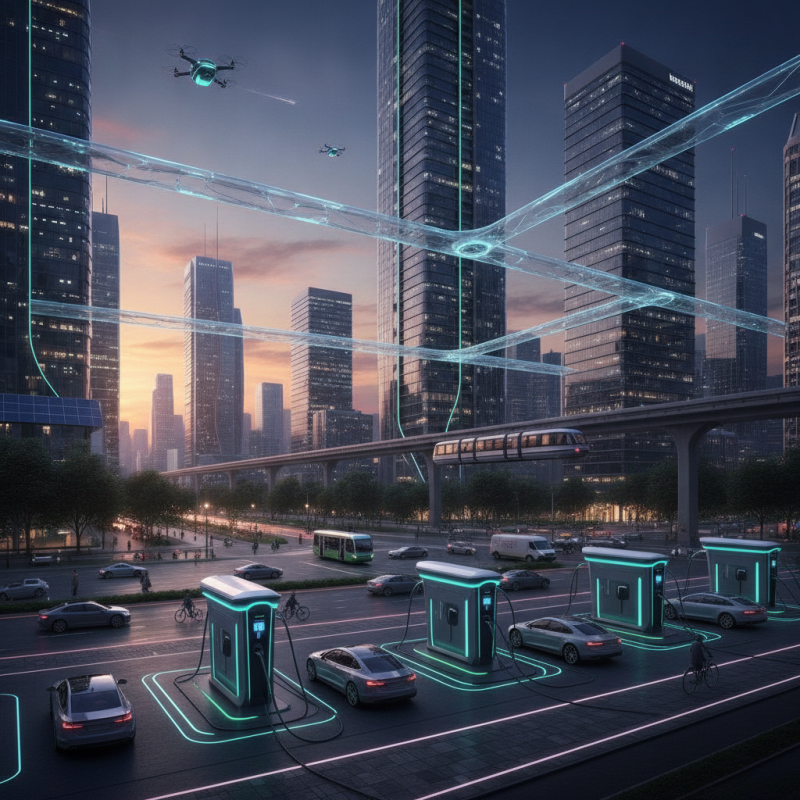
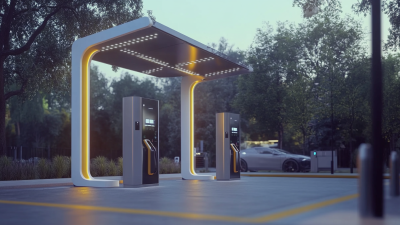
The electric vehicle (EV) market is evolving rapidly. By 2026, many businesses will feel the impact of this shift. One emerging trend is the rise of ultrafast charging stations. These stations reduce wait time significantly, making EVs more appealing. Convenience is key for consumers today. The demand for quick, accessible charging solutions is expected to grow.
Another trend to watch is the integration of renewable energy sources. Charging stations powered by solar or wind energy can attract eco-conscious customers. This strategy enhances sustainability and reduces operating costs. However, the challenge lies in initial investments and infrastructure. Businesses must consider how to balance cost with consumer expectations.
Smart technology will also revolutionize charging solutions. Features like mobile app connectivity and real-time availability updates can enhance user experience. Yet, technology can break down or become outdated quickly. Companies need to stay current and adapt to changing consumer needs. These trends present opportunities but also require careful planning and reflection.
Innovative Business Models in the Electric Charging Sector
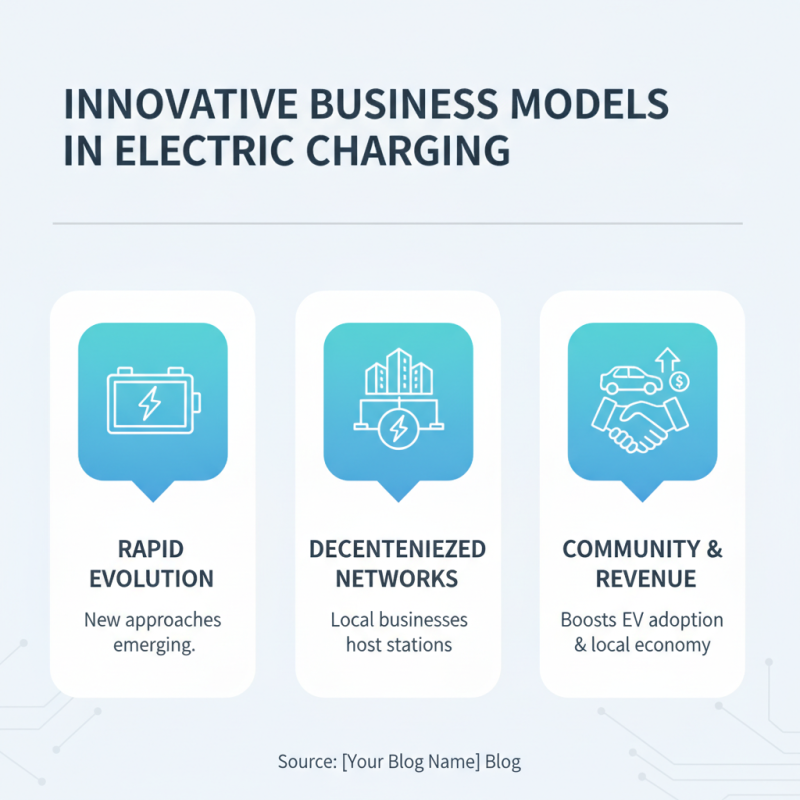
The electric charging sector is rapidly evolving, presenting unique business models. One promising approach involves creating decentralized charging networks. Local businesses can set up charging stations, allowing them to cater to community needs while also generating revenue. This model fosters neighborhood engagement and encourages electric vehicle (EV) adoption.
Another innovative model is subscription-based charging services. Consumers would pay a monthly fee for access to charging stations. This could include features like home installation or exclusive access to high-speed chargers. However, maintaining consistent service quality poses a challenge. Ensuring reliable charging experiences is crucial.
Collaboration with businesses to offer charging perks is a growing trend. Retailers, restaurants, and hotels can provide free charging as an incentive for customers. This not only enhances customer experience but also drives foot traffic. Yet, businesses must carefully manage costs and avoid dependency on charging incentives. Balancing profitability with customer satisfaction requires strategic planning.
Government Policies and Incentives Impacting Charging Stations
Government policies play a crucial role in shaping the electric vehicle market. In 2026, we can expect significant incentives for charging station development. Many countries are increasing funding for infrastructure projects. Grants and tax reductions make it attractive for businesses to invest.
Local governments are also creating mandates. They aim to deploy more charging stations in urban areas. These initiatives encourage private companies to build and operate charging locations. Compliance with these regulations can be both an opportunity and a challenge. Companies must stay informed about policy changes.
Consumer incentives are critical as well. Cash rebates for electric vehicle owners can drive demand for charging stations. A larger user base leads to higher returns for businesses. However, maintaining these installations comes with costs and responsibilities. The sustainability of government support remains to be seen. Businesses should be prepared for fluctuations in policy and funding landscape.
Top 10 Electric Charging Business Opportunities in 2026 - Government Policies and Incentives Impacting Charging Stations
| Opportunity |
Estimated Market Size (USD) |
Growth Rate (%) |
Government Incentives |
Key Factors Driving Growth |
| Public Charging Stations |
5 billion |
20 |
Tax credits, Grants |
Increased EV adoption |
| Residential Chargers |
3 billion |
15 |
Rebates, Low-interest loans |
Home energy management systems |
| Fleet Charging Solutions |
2 billion |
25 |
Subsidies for fleets |
Corporate sustainability goals |
| Fast Charging Networks |
4 billion |
18 |
Infrastructure funding |
Rising long-distance EV travel |
| Battery Storage Integration |
1.5 billion |
30 |
Incentives for storage solutions |
Energy cost savings |
| Smart Charging Technology |
2.5 billion |
22 |
Tax deductions for R&D |
Advancements in charging tech |
| Charging as a Service |
1 billion |
28 |
Government-backed partnerships |
Flexible charging options |
| City Infrastructure Development |
3.5 billion |
19 |
Urban planning incentives |
Smart city initiatives |
| Wireless Charging Solutions |
900 million |
35 |
Funding for innovative tech |
Convenience and efficiency |
| Off-Grid Charging Stations |
600 million |
40 |
Support for rural electrification |
Accessibility in remote areas |
Investment Opportunities in Renewable Energy for Charging Infrastructure
The electric vehicle (EV) market is on the rise, and charging infrastructure plays a vital role. By 2026, the global EV market is expected to reach $803 billion, highlighting a need for robust charging solutions. According to a recent report by the International Energy Agency (IEA), over 1.5 million new public charging points will be necessary by then. This presents significant opportunities for investments in charging infrastructure.
Renewable energy sources, such as solar and wind, can power these charging stations effectively. Research indicates that charging stations using renewable energy may reduce operating costs by 30% to 40%. However, integrating renewables into charging infrastructure presents challenges. Sites need appropriate technology and grid connections. Investors must evaluate local energy policies and market conditions before committing.
The market for EV charging businesses is competitive but growing. As urban populations expand, the demand for accessible charging locations will increase. Reports suggest cities will need to add more than 60% of the current charging infrastructure by 2026. Investing in renewable energy-based charging solutions can enhance profitability. Yet, developers must anticipate regulatory hurdles and community acceptance issues. Balancing growth with sustainable practices will be critical for future success.
Technological Advancements Shaping the Future of EV Charging
The future of electric vehicle (EV) charging is shaped by rapid technological advancements. These innovations bring opportunities for growth and sustainability. Wireless charging is one potential avenue. This method allows vehicles to charge without plugging in. It enhances user convenience but requires significant investment in infrastructure.
Another area is ultra-fast charging stations. These can significantly reduce charging time from hours to minutes. As demand for electric cars increases, companies investing in faster charging solutions may find themselves at a competitive advantage. The cost of installation remains a concern, and not all locations may support this technology.
Battery technology is also evolving. New materials promise longer ranges and shorter charging times. However, experts warn that this area is still in development. The reliability of new chemistries is yet to be fully understood. The challenge lies in ensuring these batteries are safe and efficient for widespread use. As the landscape of EV charging continues to transform, it becomes crucial for businesses to stay informed and adaptable.
Top 10 Electric Charging Business Opportunities in 2026
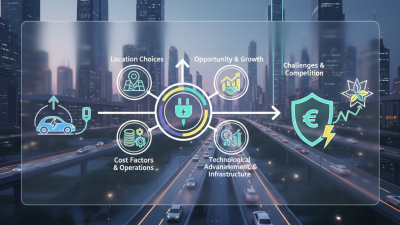
This chart illustrates the projected growth in various electric vehicle (EV) charging business opportunities by 2026, driven by technological advancements and increasing adoption of electric vehicles.




 Phone
 Send Email
 whatsapp
 Facebook
 Youtube