Top 10 Home Vehicle Charging Stations You Should Consider?
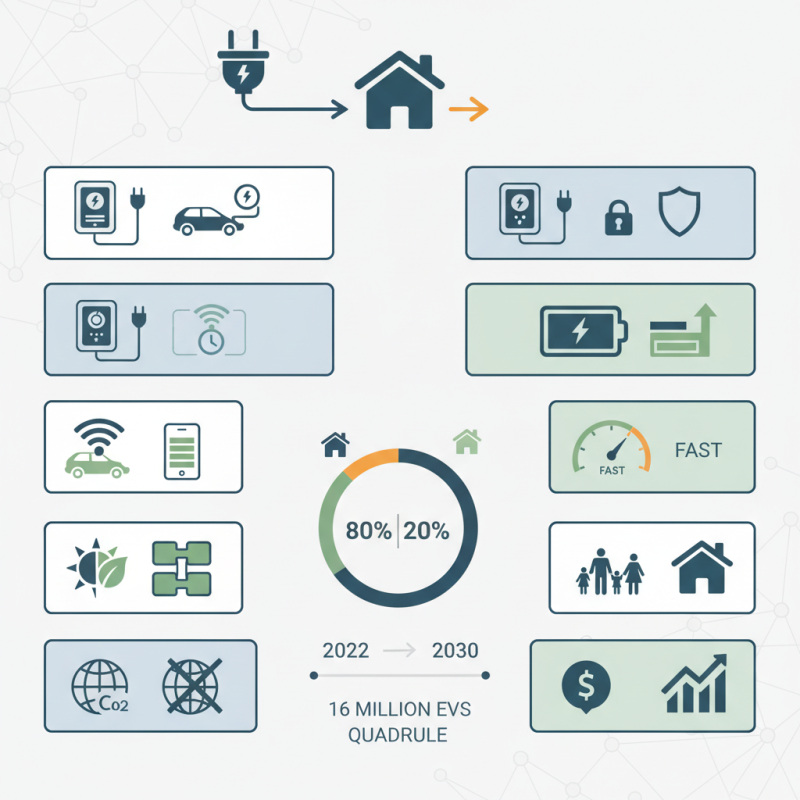
As electric vehicles (EVs) surge in popularity, the demand for reliable home vehicle charging stations has increased significantly. According to a 2022 report by the International Energy Agency, there were over 16 million electric cars on the road worldwide, a number expected to quadruple by 2030. This rapid growth highlights the need for effective charging solutions in residential areas, where convenience and efficiency are crucial.
Home vehicle charging stations offer the ease of refueling your EV overnight, avoiding the stress of public charging networks. Studies show that 80% of EV owners primarily charge at home. This statistic underscores the importance of selecting a high-quality charging station that meets individual needs. However, navigating the myriad of options can be overwhelming. Some products may boast quick charging times, while others focus on safety features or smart technology.
Investing in a home vehicle charging station is not merely a convenience, but a necessity for many drivers. As we explore the top 10 options available, consider your unique circumstances. Each station offers different capabilities, ensuring there is a suitable choice for everyone. However, not all stations are created equal. Reflecting on what features matter most can help maximize your investment.
Overview of Home Vehicle Charging Stations
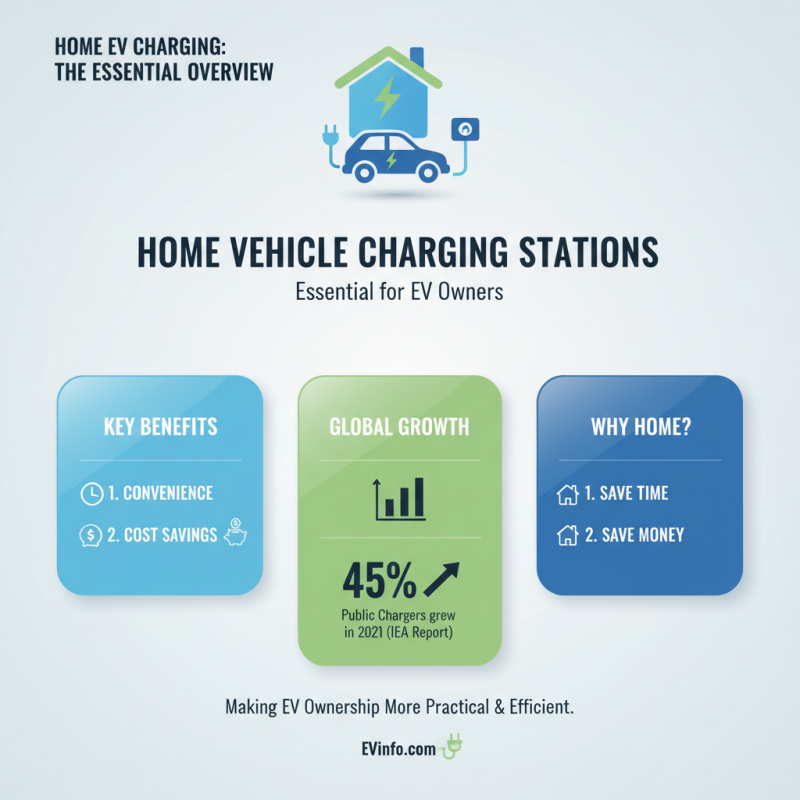
Home vehicle charging stations are becoming essential for electric vehicle (EV) owners. These stations offer convenience and efficiency, making EV ownership more practical. A report from the International Energy Agency (IEA) noted that the number of publicly accessible charging stations grew by 45% in 2021. However, many EV owners prefer charging at home, where they can save time and money.
The right home charging station depends on various factors. Charging speed, installation requirements, and compatibility with your vehicle must be considered. Level 2 chargers typically provide a faster charge, delivering around 25 miles of range per hour. According to a study by the U.S. Department of Energy, home charging can reduce costs by approximately 50% compared to public charging. Yet, the installation of these stations can be complex, particularly in older homes with outdated electrical systems.
While home charging is convenient, it’s not without challenges. Some users report difficulties with installation permits and finding qualified electricians. Furthermore, the initial investment can be significant, causing hesitation among potential EV buyers. Experts suggest evaluating your driving habits and local electric rates before making a decision. This careful consideration can lead to better long-term satisfaction with your home vehicle charging station.
Factors to Consider When Choosing a Charging Station
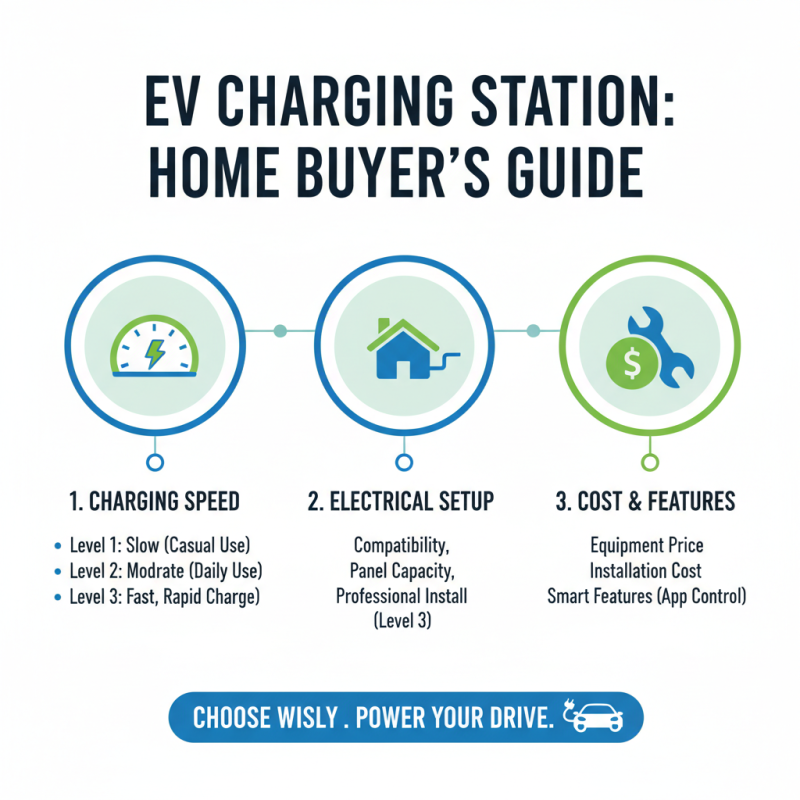
When choosing a home vehicle charging station, several factors require your attention. The charging speed is a primary concern. Stations come in various levels, from Level 1 to Level 3, each affecting how long it takes to charge your vehicle. Level 1 is slower and might suit casual drivers. Level 3 offers rapid charging but might need special installation.
Compatibility with your vehicle matters too. Ensure the station supports your car’s charging port type. Not all stations are universal, leading to frustration if the connection doesn't fit. Placement is another factor. A station located near your parking area is ideal to minimize cable management issues.
Cost is an essential element in your decision-making. Prices vary significantly, so it’s wise to assess budget alignments. Additionally, check for warranties or customer support options. A station without support can lead to problems down the line. Reflect on these factors carefully; the right choice can greatly enhance your charging experience.
Top Features of the Best Charging Stations
When choosing a home vehicle charging station, key features play a crucial role. Look for a model with adjustable charging speeds. This allows flexibility based on your vehicle’s needs and your home’s electrical capacity. A charging station with smart connectivity ensures you can monitor usage from your smartphone, providing insights on cost and charging status.
Safety features are essential for peace of mind. Overcurrent protection and thermal monitoring prevent overheating and potential hazards. Additionally, a weatherproof design is vital if the station will be installed outdoors. It enhances the longevity and reliability of the device.
Compatibility with various vehicle models is another critical feature. Not all charging stations support every electric vehicle. Therefore, ensure that the station you choose can accommodate different car brands. While most options cover common standards, some may not meet specific requirements. It is worth doing thorough research. A well-informed choice can save you time and money in the long run.
Top 10 Home Vehicle Charging Stations You Should Consider
| Model |
Charging Speed (kW) |
Connector Type |
Smart Features |
Price Range ($) |
| Model A |
7.2 |
Type 1 / Type 2 |
WiFi, App Control |
500 - 600 |
| Model B |
11 |
Type 2 |
Smart Charging, Timer |
600 - 700 |
| Model C |
22 |
CCS |
Remote Monitoring |
1200 - 1400 |
| Model D |
7.4 |
Type 1 |
Voice Control |
400 - 500 |
| Model E |
16 |
Type 2 |
Energy Monitoring |
800 - 900 |
| Model F |
9.6 |
Type 1 / Type 2 |
App Control |
550 - 650 |
| Model G |
3.7 |
Type 1 |
Basic Functionality |
300 - 400 |
| Model H |
11 |
Type 2 |
Scheduler |
700 - 800 |
| Model I |
22 |
CCS |
Multi-User Setup |
1100 - 1300 |
| Model J |
7.2 |
Type 1 |
Energy Saving |
450 - 550 |
Comparison of Popular Home Charging Station Brands
When it comes to home vehicle charging stations, knowing your options is crucial. Many brands offer various features to fit diverse needs. Some are compact, ideal for small spaces. Others may have more power, reducing charging time. Evaluating these elements will help you make an informed choice.
Tips: Consider the location for installation. Ensure it is near your parking space for easy access. Also, check the electrical capacity of your home. Some devices require specific amperage. This detail can impact overall efficiency.
Look for models with smart features. These allow monitoring of charging sessions via apps. However, not every smart feature might work seamlessly. A good balance between price and functionality is vital. Always read user reviews before purchasing. Real experiences often reflect the reliability of a unit.
Installation and Maintenance Tips for Home Charging Stations
Installing a home charging station requires careful planning. Assess your electrical system's capacity before purchasing a unit. Consult a professional if you're unsure. A standard household circuit may not handle the load. Choosing a location is critical. It should be accessible but also protected from the elements. Keep safety in mind with proper positioning.
Maintenance is just as essential as installation. Regularly inspect the charging equipment for any wear and tear. Look for frayed cables or loose connections. Cleaning the station can prevent buildup that affects performance. Make it a routine; a few minutes monthly can save you headaches later. Don't overlook software updates for smart stations, as these can improve efficiency.
It’s important to be aware of potential issues. If your vehicle isn’t charging, investigate the cause. It could be a simple fix, like a tripped breaker. However, persistent problems may require expert help. Remember, DIY repairs can lead to more significant issues if not handled correctly. Always prioritize safety over convenience.
Top 10 Home Vehicle Charging Stations



 Phone
Phone Send Email
 whatsapp
 Facebook
 Youtube