Top 10 Portable Electric Vehicle Chargers You Should Consider?
As the electric vehicle (EV) market expands, the demand for reliable charging solutions grows. In 2022, global EV sales soared, with over 10 million units sold, according to the International Energy Agency (IEA). This surge is pushing the need for versatile charging options, making the Portable Electric Vehicle Charger an essential accessory for EV owners.
With the right portable charger, drivers can ensure their vehicles remain powered during long trips or in remote locations. A study by BloombergNEF highlights that 79% of EV owners consider portability a crucial factor when choosing a charger. The convenience of a Portable Electric Vehicle Charger allows users to charge their cars at home or on the go, making it a must-have item. However, not all chargers are created equal.
Choosing the best charger can be overwhelming due to the vast array of options available. Users face challenges such as compatibility and charging speed. These aspects can significantly affect the overall charging experience. Buyers need to reflect on their specific needs before making a purchase. This guide outlines the top 10 Portable Electric Vehicle Chargers worth considering, catering to diverse requirements and preferences.
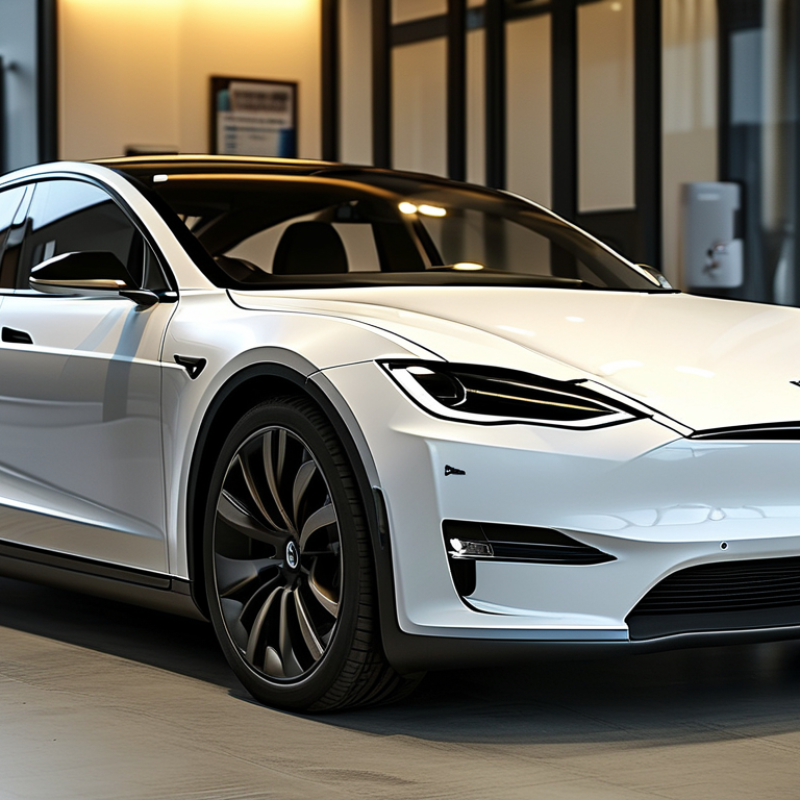
Understanding Portable Electric Vehicle Chargers
Portable electric vehicle (EV) chargers have gained significant attention as the demand for electric vehicles increases. According to a report by the International Energy Agency (IEA), global sales of electric cars surpassed 6.6 million in 2021. This growth underscores the need for accessible charging solutions. Portable chargers cater to various lifestyles and preferences, making them a versatile option for EV owners.
Understanding portable EV chargers is essential for maximizing their use. These chargers range from Level 1 (120V) to Level 2 (240V), each offering different charging speeds. For instance, a Level 2 charger can provide around 25 miles of range per hour. Despite their advantages, one challenge is compatibility. Not all chargers work seamlessly with every EV model, which can lead to consumer frustration.
Safety is another critical aspect to consider. A report by the U.S. Consumer Product Safety Commission highlighted that improper use of portable chargers could lead to electrical hazards. Educating users on safe practices is vital. Additionally, while many chargers are designed for ease of use, their performance can vary. Some may struggle in extreme weather or fail to deliver consistent power. This inconsistency reminds users to research and select the best option for their specific needs.
Top 10 Portable Electric Vehicle Chargers Comparison
This chart compares the charging speeds of ten different portable electric vehicle chargers. The speeds range from 3.6 kW up to 22 kW, providing a visual reference for potential buyers to assess which charger might suit their needs best.
Key Features to Look for in Portable EV Chargers
When selecting a portable electric vehicle (EV) charger, several key features are essential. Charging speed is crucial. According to the U.S. Department of Energy, Level 2 chargers can provide up to 25 miles of range per hour. This speed significantly impacts overall convenience for drivers. Many people may overlook battery capacity, which is also vital. A charger with a higher output can be a game-changer during long trips.
Portability should be high on your list. Compact and lightweight models are easier to carry and store. Some chargers weigh less than 5 pounds, making them ideal for travelers. Think about cord length, too. Longer cords can add flexibility in charging locations. Compatibility with different vehicle models is another key aspect. Over 75% of new EVs sell with universal connectors, ensuring a smooth experience with the right charger.
Don't ignore safety features. Look for built-in protections against overcharging and overheating. A report by the Electric Power Research Institute highlights that safety features can reduce fire risks significantly. User-friendly interfaces matter as well. A good charger should provide clear information about charging status and other metrics. Many devices now include mobile apps for remote monitoring. However, keep in mind that features sometimes come at a higher price. Balancing cost and utility can be tricky but is necessary for informed decisions.
Top 10 Portable Electric Vehicle Chargers You Should Consider
| Model |
Charging Speed (kW) |
Weight (lbs) |
Cable Length (ft) |
Price ($) |
| Model A |
3.8 |
5.5 |
16 |
299 |
| Model B |
7.2 |
6.0 |
25 |
449 |
| Model C |
9.6 |
7.5 |
20 |
599 |
| Model D |
11.5 |
8.0 |
30 |
699 |
| Model E |
7.2 |
5.0 |
10 |
349 |
| Model F |
3.3 |
5.5 |
15 |
249 |
| Model G |
5.0 |
6.5 |
18 |
399 |
| Model H |
6.6 |
7.0 |
22 |
499 |
| Model I |
10.0 |
9.0 |
27 |
799 |
| Model J |
15.0 |
10.0 |
35 |
899 |
Top 10 Portable Electric Vehicle Chargers Reviewed
When considering portable electric vehicle chargers, it's essential to focus on reviews. Users often value practicality and efficiency. A good charger should have a compact design yet robust output. Look for those that deliver high amperage for quicker charging times. This can be particularly useful during long trips or emergencies.
Another critical aspect is compatibility. Chargers must work with various EV models to maximize usability. Some products may seem appealing but fail to support your vehicle. Many reviews highlight the importance of following safety standards. Chargers lacking these can pose risks. It's always advisable to refer to user experiences, as they often reveal potential issues.
Durability is also a point of contention. Some chargers might wear down quickly, while others stand the test of time. Reflect on your usage patterns and choose a charger that fits your lifestyle. Many users have noted encountering difficulties with cord lengths as well; a short cable can limit charging options. Balancing these factors can lead to a well-informed decision.
Comparative Analysis of Charging Speeds and Compatibility
Choosing the right portable electric vehicle charger can significantly impact charging efficiency. A recent industry report indicates that charging speeds vary widely among different models. For instance, some chargers provide a mere 3.6 kW, while others can deliver up to 22 kW, cutting charging time drastically. The time taken to charge an EV from 20% to 80%, for example, can be as quick as 30 minutes with high-capacity chargers, compared to several hours with lower-rated models.
Compatibility is another essential factor in selecting a charger. Most portable chargers are designed to work with standard EV types, but some may struggle with specific models or charging protocols. Data shows that around 30% of EV users experience compatibility issues when using third-party chargers. This inconsistency can lead to frustration and wasted time. Engaging with manufacturer specifications is vital, yet not all brands provide clear information, further complicating the user's choice. Understanding these dynamics is crucial for your EV charging experience.
Safety Considerations When Using Portable EV Chargers
When using portable electric vehicle (EV) chargers, safety is paramount.
Data from the National Fire Protection Association (NFPA) indicates that improper use of EV chargers accounts for over
20% of fire incidents related to electric vehicles.
It’s crucial to always follow manufacturer guidelines to mitigate risks. Proper ventilation around the charging unit helps
prevent overheating.
Regular inspections are essential for safety. Check the charger and cables for damage or wear. Research shows that
aging components can lead to malfunctions, increasing fire hazards.
Studies reveal that 14% of consumers do not conduct regular checks.
This negligence can result in serious accidents.
Additionally, consider the environment when charging. Avoid wet conditions, as moisture can lead to electrical shocks.
The Electric Vehicle Association advises keeping the charging area dry.
Improper grounding is another critical issue.
Poor grounding can cause equipment failures and pose safety threats. Always ensure secure connections to avoid short circuits.





 Phone
Phone Send Email
 whatsapp
 Facebook
 Youtube