2026 Best Solar Powered EV Charging Station for Global Buyers?
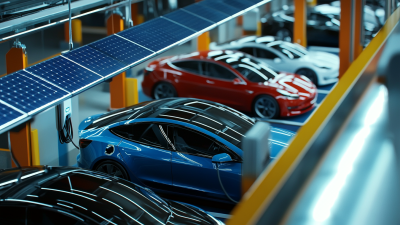
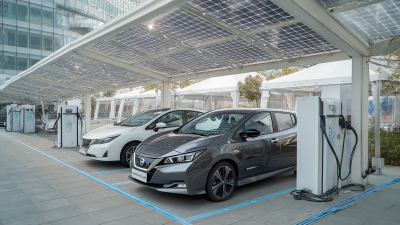
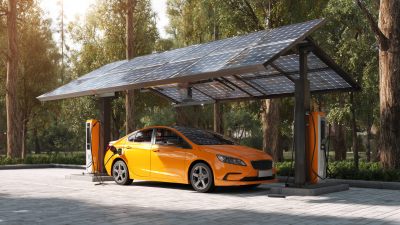
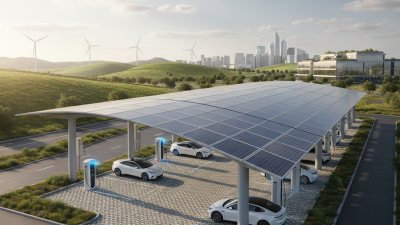
As the world pivots toward sustainable energy solutions, the demand for innovative technologies is growing. The Solar Powered EV Charging Station represents an important step in this transition. These stations harness sunlight to power electric vehicles, offering an eco-friendly alternative to traditional charging methods.
In 2026, a variety of solar-powered stations will emerge globally. Each station will vary in design, efficiency, and pricing. Consequently, buyers must carefully choose a charging station that meets their specific needs. Factors such as energy output and location will influence this decision.
The benefits of these solar-powered systems are significant. They reduce greenhouse gas emissions and lower energy costs. However, some challenges remain. Weather conditions and installation costs may deter potential users. By addressing these issues, solar-powered charging stations can achieve greater acceptance and effectiveness. Many buyers will need to consider not just the initial investment, but the long-term advantages of sustainable energy.

Overview of Solar Powered EV Charging Technology for 2026
As electric vehicles gain popularity, solar-powered EV charging technology is emerging as a sustainable solution. By harnessing sunlight, these stations can reduce dependency on traditional power sources. The integration of solar panels into charging stations represents an innovative step towards green transportation. It provides a clean energy option that benefits both users and the environment.
Tips: Look for charging stations that feature energy storage systems. They can store solar energy for use during cloudy days or at night. This ensures a constant power supply, enhancing reliability. Additionally, consider stations with smart technology that optimizes energy use. This can lead to savings on electricity costs and more efficient charging times.
However, adapting to solar-powered charging requires adjustments. Infrastructure may not always support this technology. Not all locations will have access to adequate sunlight. Users should research locations before relying solely on solar stations. Understanding these challenges can help in planning the transition to greener options. Embracing solar-powered EV charging is a step in the right direction, but it is essential to navigate potential limitations wisely.
Current Market Trends in Solar Powered EV Charging Stations
As the electric vehicle (EV) market expands, solar-powered EV charging stations gain momentum. Global awareness of climate change urges cities and businesses to seek sustainable solutions. According to a recent report by the International Renewable Energy Agency (IRENA), the solar energy sector is anticipated to grow by 20% annually until 2026. This trend significantly boosts the feasibility of solar-powered EV chargers.
Installing solar charging stations can reduce carbon footprints dramatically. For example, a solar station can generate about 7,000 kWh per year, powering numerous EVs while minimizing reliance on grid electricity. However, challenges during installation exist. Site-specific factors can affect solar viability. Inconsistent sunlight exposure or zoning restrictions may limit potential locations. Moreover, solar technology can require higher upfront costs than traditional chargers, raising concerns about return on investment.
Market research indicates that 30% of EV owners are likely to choose solar-powered options. This preference reflects increased consumer demand for eco-friendly solutions. Yet, manufacturers must address technological advancements and accessibility. Solving these problems is crucial for future market growth. Evaluation of regional policies and incentives can further influence adoption rates. Each step forward offers potential for improvement, but obstacles remain to overcome.
2026 Best Solar Powered EV Charging Station for Global Buyers
| Charging Station Type |
Power Output (kW) |
Solar Panel Capacity (kW) |
Charging Speed (miles/hour) |
Installation Cost (USD) |
Average Annual Savings (USD) |
| Level 2 AC Charger |
7.2 |
3.0 |
25 |
4,000 |
800 |
| DC Fast Charger |
50 |
10.0 |
200 |
45,000 |
1,500 |
| Ultra Fast Charger |
150 |
20.0 |
400 |
150,000 |
2,500 |
| Integrated Solar Charger |
22 |
5.0 |
75 |
10,000 |
1,200 |
| Home Solar Charger |
6.6 |
2.0 |
20 |
3,000 |
600 |
Key Features and Specifications of Leading Solar Charging Stations
Solar powered EV charging stations are gaining traction globally. Leading options are designed with key features that enhance efficiency and usability. Many models include high-efficiency solar panels that convert sunlight into energy for electric vehicles. These panels often come with smart technology that optimizes charging times based on sunlight availability.
Some stations also offer battery storage systems. This allows users to charge vehicles even when it's cloudy or after dark. The integration of mobile apps enables users to monitor charging progress and energy usage remotely. Another feature is the ability to charge multiple vehicles simultaneously, making them ideal for public spaces.
While many of these stations boast impressive specifications, not all meet every user's needs. Customers should consider location, power output, and compatibility with various electric vehicle models. Reliability can vary, affecting user experiences. Therefore, thorough research is essential before making a decision.
Comparative Analysis of Installation Costs and Return on Investment
The installation costs of solar-powered EV charging stations vary widely. Factors include location, panel types, and local regulations. A small-scale setup might start around $10,000, while larger installations could exceed $50,000. Understanding the nuances in these costs is crucial for potential investors.
Return on investment (ROI) can be promising but requires careful analysis. Some users report recouping installation costs within five to seven years. Local incentives often play a significant role in reducing these costs. Still, market volatility can affect ROI predictions. This uncertainty calls for thorough research and planning.
It is also important to consider maintenance expenses. Solar systems typically require minimal upkeep, but unexpected repairs can arise. Investors should factor potential issues into their financial projections. Overall, awareness of both costs and potential challenges is vital for smart investment decisions.
Environmental Impact and Energy Efficiency of Solar EV Charging Solutions
Solar-powered electric vehicle (EV) charging stations offer a sustainable solution for the growing EV market. According to the International Energy Agency, global EV sales surged to over 6.6 million units in 2021. With this increase, the demand for efficient charging solutions rises. Solar EV charging stations harness renewable energy, helping to reduce the carbon footprint of transportation.
Utilizing solar energy can significantly lower operating costs. Studies indicate that solar EV charging can cut energy costs by 50% compared to conventional grid electricity. These stations typically feature solar panels that convert sunlight into electricity, which powers EVs directly. During peak sunlight hours, they can fully charge multiple vehicles, providing a clean energy source.
However, there are challenges. Solar EV stations rely on sunlight availability, impacting charging efficiency. They may underperform in cloudy regions or during winter months. Addressing energy storage solutions becomes essential in maximizing their benefits. As the technology evolves, batter storage innovations could further enhance energy retention and usage flexibility. More investments are needed to improve the reliability of solar EV charging stations, ensuring they meet consumer needs effectively.
2026 Best Solar Powered EV Charging Station Energy Efficiency Comparison



 Phone
 Send Email
 whatsapp
 Facebook
 Youtube