2026 How to Choose the Best 22kw DC EV Charger for Your Needs?
As the popularity of electric vehicles (EVs) surges, selecting the right charging station is crucial. A 22kW DC EV charger offers rapid charging capabilities, addressing the growing demand for efficient EV infrastructure. According to a recent report by the International Energy Agency, global EV sales reached 6.6 million units in 2021, marking a 108% increase from the previous year. This trend underscores the need for advanced charging solutions.
Choosing the best 22kW DC EV charger requires understanding specific needs. Factors like charging speed, compatibility with various EV models, and installation requirements are essential. The right charger can significantly reduce charging time, enhancing the overall EV experience. However, not all chargers perform equally. Some may lack essential features, like smart technology or user-friendly interfaces, leading to potential dissatisfaction.
While many brands promote their products, it is vital to consider reliability and support. Research shows that chargers with comprehensive warranties and customer service tend to perform better in the long run. Investing in a reliable 22kW DC EV charger will pay off, especially as EV adoption accelerates. Reflection on your unique requirements will guide you toward making an informed choice.
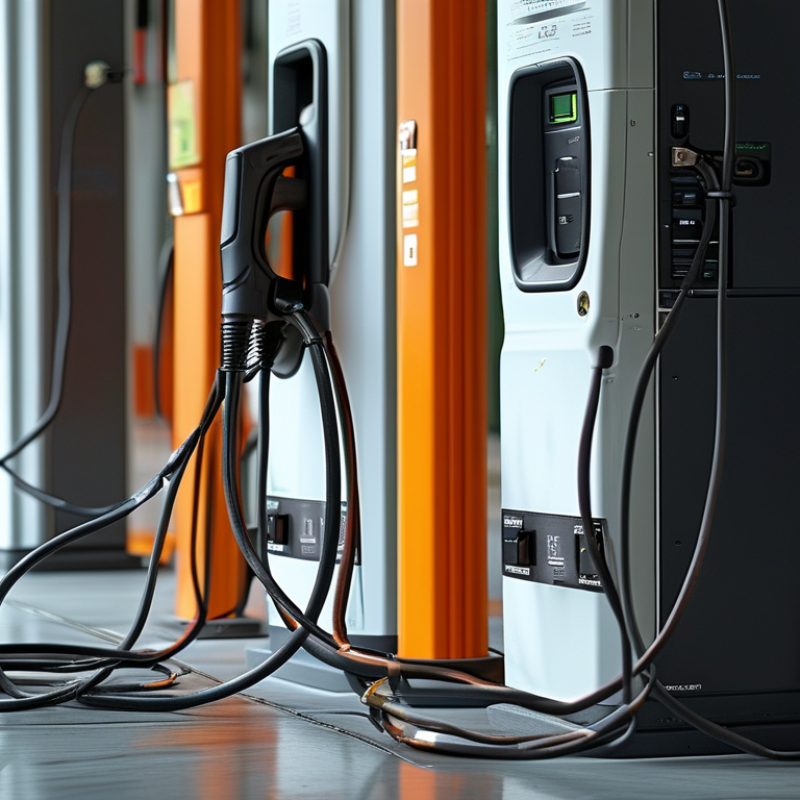
Understanding the Importance of a 22kW DC EV Charger
Charging electric vehicles (EVs) efficiently is crucial in today’s eco-conscious world. A 22kW DC EV charger plays a significant role in this transition. Research from the International Energy Agency shows that the EV market continues to grow, with projections suggesting over 230 million EVs on the road by 2030. This growth increases the demand for reliable and fast-charging solutions, making a robust charger essential for both personal and commercial use.
Choosing a 22kW DC charger requires understanding your unique needs. For instance, residential installations often differ from commercial setups. Fast charging can significantly reduce downtime, making it ideal for fleet operations. However, it is essential to evaluate the electrical infrastructure of the location. Not all places can support the high power of DC chargers without upgrades. Poor infrastructure can lead to inefficiencies, negating the advantages of fast charging.
Tip: Assess your power supply before installation. A dedicated circuit may be required to support the charger’s output. Maintain service records and keep up with software updates. Regular checks help enhance performance and ensure safety compliance. Additionally, consider future needs; investing in a scalable solution can save costs in the long run. A charger that meets today's requirements may not suffice tomorrow.
2026 How to Choose the Best 22kw DC EV Charger for Your Needs? - Understanding the Importance of a 22kW DC EV Charger
| Feature |
Importance |
Considerations |
| Charging Speed |
Faster charging reduces downtime for EV users |
Compatibility with vehicle's battery capacity |
| Durability |
Long lifespan ensures low maintenance costs |
Materials used in construction and weather resistance |
| User Interface |
Ease of use encourages widespread adoption |
Intuitive design and multilingual support |
| Connectivity Options |
Remote monitoring and management capabilities |
Wi-Fi, Ethernet, and mobile app compatibility |
| Safety Features |
Ensures the protection of users and vehicles |
Overcurrent protection and ground fault detection |
| Cost |
Initial investment affects overall feasibility |
Compare upfront costs vs. long-term savings |
| Installation Requirements |
Proper setup ensures optimal performance |
Electrical capacity and location considerations |
Key Features to Consider When Choosing a 22kW DC EV Charger
Choosing the right 22kW DC EV charger involves assessing key features that align with your specific needs. Power output is crucial; a 22kW charger can efficiently replenish an electric vehicle’s battery in a short time. Industry reports indicate that fast charging stations can reduce charging time by up to 70% compared to lower-output chargers. Users should consider the charging speed required based on their driving habits.
Compatibility with various vehicle types is another vital factor. Look for chargers that support a wide range of EV models. According to the International Energy Agency, over 60% of electric vehicles on the road today can effectively utilize DC fast charging. This diversity ensures maximum utility regardless of your vehicle choice.
Tip: Check for user-friendly interfaces and installation options. A seamless charging experience can enhance overall satisfaction.
Charging connector types are also important. Different regions have varying standards, and it's essential to choose a charger that fits. Not all chargers are created equal, which means some may require more frequent maintenance.
Tip: Regularly review the performance and reliability of your charger. This can prevent potential downtime and ensure consistent access to charging when needed.
Assessing Your Power Requirements for an EV Charger
When selecting a 22kW DC EV charger, assessing your power requirements is crucial. Determine how often and how long you’ll need to charge your vehicle. Consider your daily driving habits. Do you often make long trips, or is your driving primarily in the city? Your charging needs will vary based on these factors.
The total power consumption of your home should also be factored in. A charger that demands too much power may overload your existing infrastructure. Understand your home's power capacity before making a decision. It can feel daunting, but this knowledge is vital.
**Tips:**
Evaluate your circuit breaker ratings. A trained electrician can help.
Consider future needs. Will you add more electric vehicles?
Think about the installation location. Ensure easy access and safety.
Reviewing these aspects isn’t just helpful—it’s necessary. Take the time to reflect on your specific use case. This will help you choose the right charger, ensuring it aligns with your lifestyle and electrical systems.
Evaluating Compatibility with Your Electric Vehicle Model
When selecting a 22kW DC EV charger, compatibility with your electric vehicle (EV) model is crucial. Most EVs on the market today operate on either CCS (Combined Charging System) or CHAdeMO standards. In the U.S., around 80% of EVs use CCS, while CHAdeMO is favored by some Japanese manufacturers. Understanding these standards is vital for ensuring your charger and vehicle work seamlessly together.
Furthermore, consider the charging speed your vehicle can handle. Several studies indicate that EVs can accept different charging rates, which affects overall charging efficiency. For instance, a Tesla Model 3 can reach 80% charge in approximately 30 minutes with a rapid charger. However, many older models might be limited to lower charging capacities, making a high-output charger less effective.
Proper installation also plays a significant role in performance. The complexity of your current electrical system can affect charger efficiency. Some installations may require upgrades, adding to overall costs. It's important to consult with a licensed electrician and discuss your vehicle's specifications to determine the most compatible and efficient setup.
Comparison of 22kW DC EV Chargers by Charging Speed and Compatibility
Cost Considerations and Budgeting for Your EV Charger
When selecting a 22kW DC EV charger, cost is a critical factor. The initial purchase price ranges from $5,000 to $10,000. This often leaves potential buyers wondering about budget constraints. Installation costs can add another $2,000 to $5,000. These expenses vary based on location and installation complexity.
Tips: Research available incentives for EV chargers. Many states offer tax credits or rebates. This can significantly reduce overall costs. A comprehensive analysis of energy consumption and local electricity rates is also essential. It helps determine the long-term operational costs of the charger.
Operating expenses include electricity and maintenance. According to industry reports, the average cost of electricity in the U.S. is about $0.13 per kWh. Frequent usage might lead to higher monthly bills. It is vital to calculate potential savings when compared to gasoline prices. Reflect on how often you'll use the charger. This informs a more precise budgeting approach.
Choosing an EV charger requires careful financial consideration. Evaluate all associated costs. Look beyond the initial price. The goal is to find an efficient and budget-friendly solution.


 Phone
 Send Email
 whatsapp
 Facebook
 Youtube