Why Choose Solar Powered EV Charging Stations for Your Business?
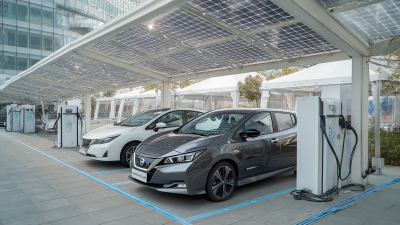
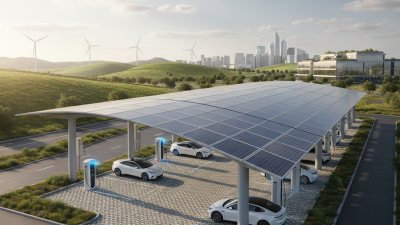
As we transition toward a more sustainable future, businesses are exploring innovative solutions. One such solution is the Solar Powered EV Charging Station. These stations not only promote cleaner energy but also provide significant benefits for businesses. They can attract eco-conscious customers and enhance brand reputation.
Moreover, integrating a Solar Powered EV Charging Station can lead to cost savings over time. Businesses can reduce their electricity bills and take advantage of potential government incentives. However, some may overlook the initial investment needed for installation and maintenance. It’s essential to weigh the long-term gains against the upfront costs.
Incorporating solar technology isn't just about charging electric vehicles. It’s a step towards corporate responsibility. A Solar Powered EV Charging Station can align your business with modern environmental values. The decision may require careful consideration, but the positive impacts can be substantial.
Benefits of Solar Powered EV Charging Stations for Businesses
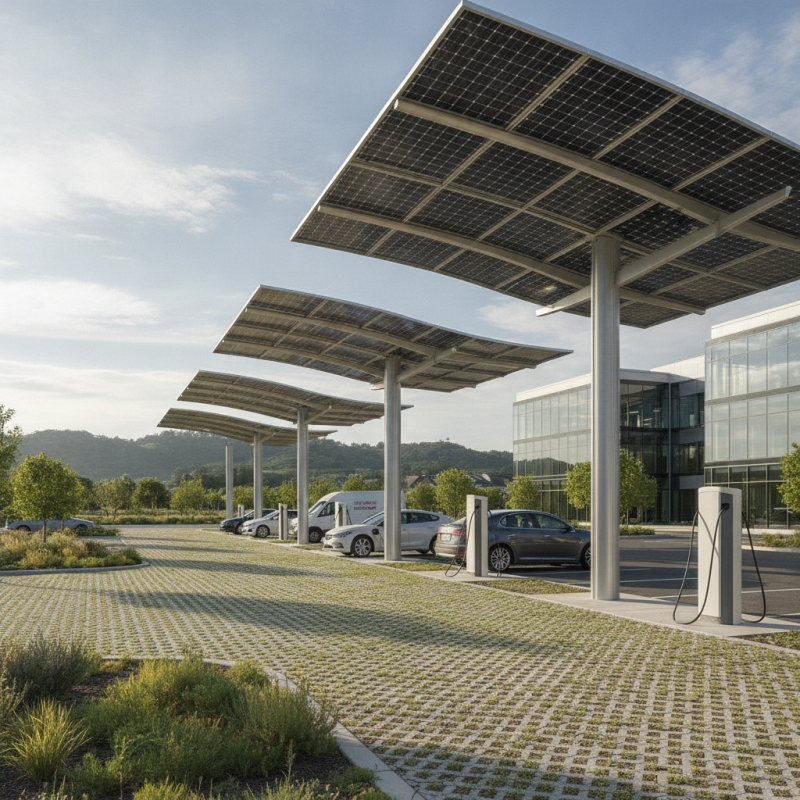
Businesses increasingly recognize the advantages of solar powered EV charging stations. These systems provide an eco-friendly solution while promoting sustainability. Research indicates that 75% of consumers prefer businesses that adopt green technologies. By installing solar charging stations, businesses can improve their brand image and attract environmentally conscious customers.
Moreover, solar powered EV charging stations can significantly reduce operating costs. According to the U.S. Department of Energy, electricity prices can fluctuate. Solar energy, however, can lower costs over time. One report notes that businesses can save up to 50% on energy bills when utilizing solar energy. These savings can be reinvested into other operational areas.
There are also pragmatic challenges to consider. Installation costs, for instance, can be substantial. Initial investments might deter some businesses. However, tax incentives and rebates can alleviate some financial burdens. Additionally, ongoing maintenance and the need for adequate sunlight may require regular assessment of the charging station's performance. Businesses must weigh these factors carefully before deciding.
Why Choose Solar Powered EV Charging Stations for Your Business? - Benefits of Solar Powered EV Charging Stations for Businesses
| Benefit |
Description |
Impact on Business |
| Cost Savings |
Utilizing solar energy reduces electricity costs for charging stations. |
Long-term savings on energy bills, enhancing profitability. |
| Sustainability |
Solar powered stations promote the use of renewable energy sources. |
Improving brand image and appealing to environmentally conscious consumers. |
| Government Incentives |
Businesses may benefit from tax credits, grants, or rebates. |
Reducing upfront installation costs and improving return on investment. |
| Increased Foot Traffic |
Attracting electric vehicle owners to charge their vehicles. |
Potential increase in sales from customers who visit while charging. |
| Energy Independence |
Reducing reliance on the grid for energy supply. |
Enhanced energy security and stabilization of energy costs. |
Cost Savings and Financial Incentives from Solar Energy Utilization
Solar energy presents a unique opportunity for businesses to reduce operational costs, particularly in EV charging. According to the U.S. Department of Energy, using solar power can reduce energy costs by 50% or more. This significant saving often comes from installing solar panels on-site. With rising electricity prices, businesses can avoid unpredictable expenses by generating their own energy.
Financial incentives for solar energy also enhance the viability of these systems. The federal Solar Investment Tax Credit (ITC) allows businesses to deduct up to 26% of solar installation costs. Various states offer additional rebates and incentives that can further decrease upfront expenses. Research from the Solar Energy Industries Association indicates that many businesses achieve a return on investment in just a few years.
However, businesses should consider location and their energy needs. Not every site is ideal for solar. Seasonal variations in sunlight and local regulations can impact effectiveness. A thorough feasibility study is crucial. While the benefits are clear, not accounting for these factors can lead to underwhelming results.
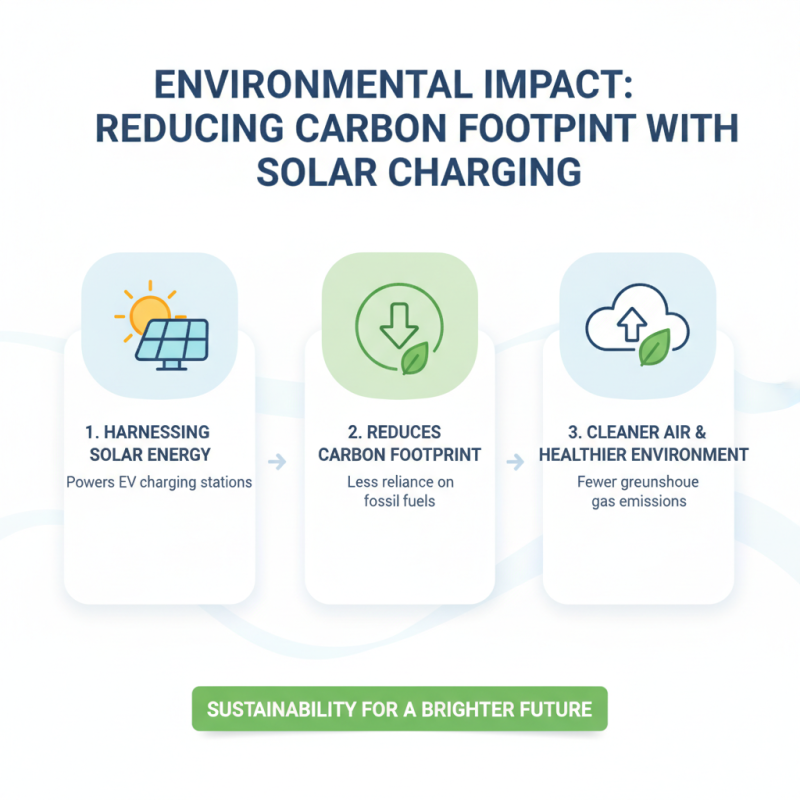
Environmental Impact: Reducing Carbon Footprint with Solar Charging
The rise of solar-powered EV charging stations is transforming the way businesses approach sustainability. By harnessing solar energy, companies can significantly reduce their carbon footprint. This renewable energy source cuts reliance on fossil fuels, leading to fewer greenhouse gas emissions. Each solar panel installed contributes to cleaner air and a healthier environment.
Implementing solar charging stations is not just eco-friendly; it's also a savvy business move. Customers increasingly prefer brands that prioritize sustainability. When companies invest in solar technology, they showcase commitment to the planet. This, in turn, can enhance brand loyalty and attract more environmentally-conscious consumers. However, choosing the right location for installation is crucial to maximizing solar energy capture.
**Tips:**
Evaluate sun exposure in your area. High sun availability means better energy generation. Regularly maintain your solar panels to ensure maximum efficiency. Also, consider integrating energy storage solutions. This allows businesses to use stored solar power during peak hours. It's important to stay informed about local regulations and incentives related to solar energy. Every small step toward solar energy is a step toward a greener future.
Enhancing Customer Experience with Accessible EV Charging Options
As electric vehicles (EVs) gain popularity, businesses must adapt. Accessible EV charging options can significantly enhance customer experience. Solar-powered charging stations provide a practical solution. They demonstrate a commitment to sustainability. Customers appreciate businesses that prioritize eco-friendly initiatives.
Visible charging stations also attract attention. When potential customers see charging spots, they feel welcomed. This convenience can influence their decision to visit. More visitors mean increased foot traffic. It’s also a way to stand out from competitors.
However, there are challenges. Installation costs can be high. Maintenance requires ongoing attention. Businesses must evaluate their energy needs and budget. Balancing these factors is crucial for success. Despite potential drawbacks, the benefits can outweigh the risks. Investing in solar-powered EV charging shows foresight. It’s a step toward future-ready service.
Future-Proofing Your Business with Sustainable Energy Solutions
Choosing solar-powered EV charging stations can be a game-changer for businesses. They offer a sustainable energy solution that enhances brand image. According to a report by the International Energy Agency, electric vehicle sales are projected to reach 145 million by 2030. This growing trend indicates a rising demand for charging infrastructure.
By investing in solar-powered chargers, businesses align themselves with eco-friendly practices. Operating costs can significantly decrease, as solar energy is free after the initial setup. A study published in the Journal of Cleaner Production found that companies using renewable energy can improve their market competitiveness by 20%. Such an investment promotes future-proofing against fluctuating energy prices.
Tips: Assess the solar potential of your location. Choose a charger that suits your business needs. Engage with local energy guidelines for best practices. Embracing solar energy not only attracts eco-conscious customers but also showcases a commitment to sustainability.
While the benefits are clear, the initial investment can be a challenge. Potential energy storage solutions should be considered too. Balancing upfront costs with long-term savings requires careful analysis.




 Phone
 Send Email
 whatsapp
 Facebook
 Youtube