Leave Your Message

How to Choose a Portable EV Charging Station?

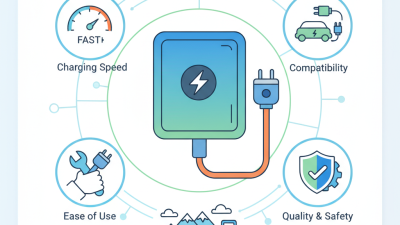
Choosing a Portable Ev Charging Station is less about buying the most powerful unit and more about matching it to your car, outlets, and routine. EV charging educator Tom Moloughney often stresses practical fit over headline specifications; a useful principle is: “Choose equipment for the charging situations you actually face.” Treat that as guidance, not a substitute for checking your vehicle’s manual or the charger’s verified specifications.

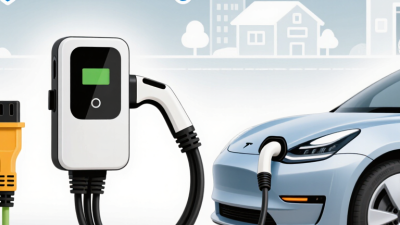
Start with the connection. Check your vehicle’s charging port, then confirm which outlet types and adapters the station supports. A compact unit may suit a driveway, campsite, or occasional workplace stop. But a small screen and a long cable cannot compensate for an incompatible outlet. Check cable length, too. Measure the distance from the outlet to your usual parking spot.

Power matters. Compare the station’s rated output with your vehicle’s AC charging limit and the circuit you plan to use. A higher rating does not guarantee faster charging in every setup. Look for clear safety certifications, over-temperature protection, weather guidance, and a warranty with reachable support. Read the fine print.

Portability has trade-offs. A lighter unit is easier to carry, while a thicker cable may feel awkward in a cold parking lot. I would not assume one device suits every trip. Compare weight, storage case, display readability, and charging controls against your real routine. The best choice is specific, sometimes imperfect, and grounded in details you can verify.
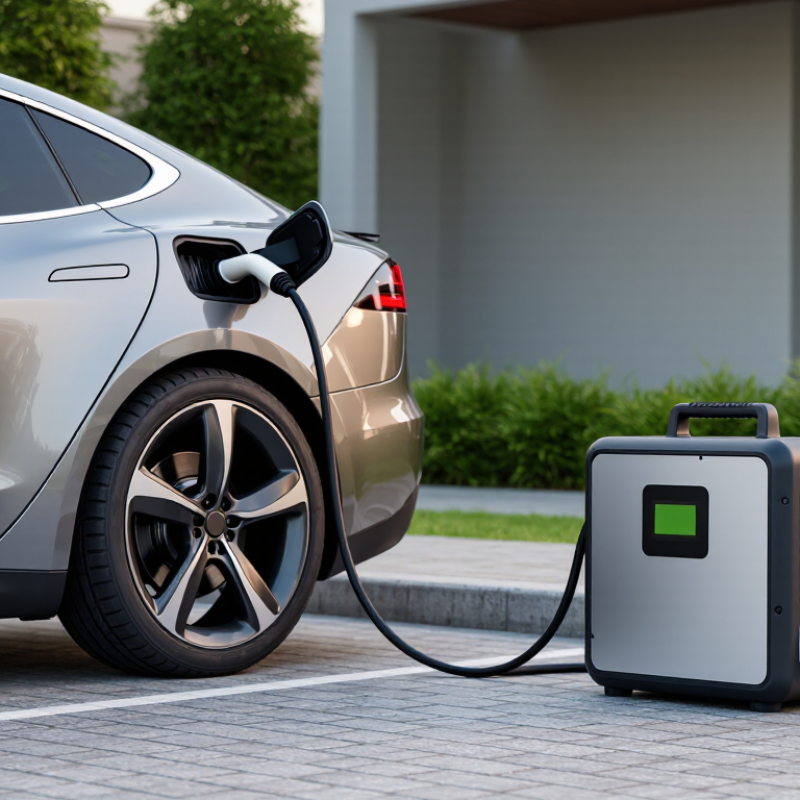
How to Choose a Portable EV Charging Station?

Understand What a Portable EV Charging Station Can Do

A portable EV charging station is more than a cable with a display. It can restore driving range when a fixed charger is unavailable, especially during road trips, outdoor work, or unexpected detours. The International Energy Agency reported over 14 million electric car sales in 2023, representing nearly 18% of global new-car sales. Charging access must grow with that demand.

Most portable units use household AC power. Level 1 charging is slow but widely accessible, while Level 2 equipment can deliver roughly 3–19 kW, according to the U.S. Department of Energy’s Alternative Fuels Data Center. In practice, a 7.2 kW unit may add about 30–45 kilometers of range per hour, depending on the vehicle. It can also use scheduled charging, current adjustment, and temperature monitoring. Some battery-based systems provide emergency energy without a wall outlet. They are heavier, more expensive, and still limited by stored capacity.

A portable charger is not a magic battery. Check the outlet, circuit rating, plug temperature, cable length, and weather protection before charging outdoors. A vehicle may accept less power than the station offers. The advertised output can disappoint. Energy losses, cold weather, and long extension cables reduce performance. The AFDC notes that charging speed depends on vehicle capability, power supply, and equipment. Choose a unit with clear safety certifications and reliable overload protection. Test it at home before trusting it beside a dark roadside. That small step is easy to overlook.
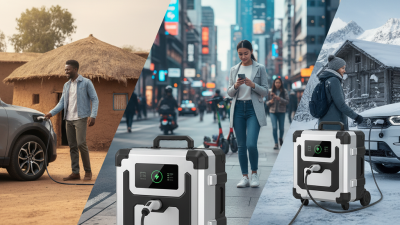
Check Vehicle Compatibility and Charging Connectors

Choosing a portable EV charging station starts with the vehicle, not the charger. In practical checks, confirm the car’s inlet type, charging mode, voltage, and maximum AC acceptance. A connector may fit physically but still fail electronically. Common standards include Type 1, Type 2, CCS, CHAdeMO, and GB/T. Regional differences matter. The International Energy Agency reported nearly 14 million electric cars were sold worldwide in 2023, showing why connector diversity is increasing, not disappearing.

Check the charging station’s plug carefully. The vehicle-side connector must match the inlet, while the wall-side plug must suit your socket and circuit. A portable unit rated at 32 amps may be unsafe on a 16-amp outlet. Look for adjustable current settings, temperature monitoring, grounding protection, and residual-current detection. The IEA also recorded more than four million public charging points globally in 2023, yet home and roadside sockets remain highly varied. An adapter can help, but it cannot repair incompatible voltage, communication, or safety functions.

Real-world testing should include the cable length, locking behavior, weather resistance, and display readability at night. Keep the connector away from puddles and sharp edges. Do not assume “universal” means fully compatible. That wording is often too optimistic. I would also verify the vehicle manual and the charger’s technical sheet before purchase. Standards from IEC 62196 and SAE J1772 provide useful references, but model-specific limits still deserve attention. Even experienced owners occasionally overlook the vehicle’s maximum AC input. That small mistake can waste money and charging time.

Compare Charging Speed with Available Power Sources

A portable EV charging station should be judged by its power source, not only its advertised output. Speed depends on input. A standard household outlet may provide about 1.4 kW, adding roughly 4 to 6 miles of range per hour. This works overnight, but it feels slow after a long trip. A 240-volt outlet can deliver 7 kW or more when the circuit and vehicle support it. That may add 20 to 30 miles per hour.

Battery-based power stations offer flexibility at campsites or during short outages. Their usable energy matters more than peak wattage. A 5 kWh battery cannot deliver all its stored energy because conversion losses reduce the final charge. Real use varies. Charging an EV from such a unit may consume most of the battery, leaving little energy for lights or appliances. I once focused too much on maximum output and overlooked recharge time. That was a poor comparison.

Solar input can extend operating time, but sunlight changes by season, weather, and panel angle. A portable charger connected to solar storage may charge slowly in the morning and faster at midday. A generator can provide stronger output, yet noise, fuel planning, ventilation, and electrical compatibility require careful attention. Check the cable. Confirm the vehicle’s onboard charging limit, circuit rating, plug type, and continuous output. A station rated at 7 kW cannot force a vehicle to accept 7 kW, and a weak outlet cannot safely support a higher setting.

How to Choose a Portable EV Charging Station?

Compare the charging speed available from common AC power sources. Higher voltage and amperage generally provide faster charging, but the vehicle and charging station must support the selected power level.

Rated power is calculated from voltage × current. Actual power delivered to the battery is usually lower because of charging losses and vehicle limits. Always confirm outlet capacity, circuit requirements, and vehicle compatibility before choosing a portable EV charging station.

Assess Portability, Safety Features, and Weather Protection

Choosing a portable EV charging station requires more than checking its weight. Portability is not just a low number on the package. Lift the unit before buying, if possible, and check whether its handle feels secure. A strong handle helps when carrying it across a gravel driveway. Check the cable length, storage method, and plug size too. Short cables may be easier to pack, but they can create awkward parking positions. During repeated roadside use, a slightly heavier enclosure may feel more stable. That trade-off deserves attention.

Safety features should be practical, visible, and independently verified. Look for overcurrent protection, ground-fault detection, temperature monitoring, and automatic charging control. A clear display should show charging status and fault warnings without confusing symbols. Simple controls matter. Wet hands and poor lighting can make complicated buttons risky. Read the instruction manual before the first connection, especially when using a household outlet. Do not depend on a low price or attractive screen to prove safety.

Weather protection is equally important for outdoor charging. Choose an enclosure with a clearly stated ingress-protection rating, not vague words like “rugged.” Weather resistance does not mean safe operation underwater. Keep the connector and wall plug dry, elevated, and away from puddles. In freezing conditions, inspect the cable for stiffness or cracks before use. Dust can also collect inside protective covers. I nearly ignored that detail once. Regular inspection takes minutes, yet it can reveal damaged insulation, loose pins, or worn seals before they become serious problems.

How to Choose a Portable EV Charging Station? - Assess Portability, Safety Features, and Weather Protection

Selection factor What to check Practical guidance Why it matters
Charging level and power Input voltage, current setting, and maximum output power A typical 120 V, 12 A Level 1 setup draws about 1.4 kW. A 240 V portable Level 2 unit may offer settings such as 16–40 A; at 240 V, 32 A is about 7.7 kW. Actual charging power depends on the circuit and the vehicle. Higher power can shorten charging time, but the outlet, branch circuit, and vehicle must all support the selected rate.
Weight and carrying case Unit weight, cable weight, case size, and storage method Compare the complete kit, including adapters and cables. A compact case and manageable cable can be more useful for everyday travel than a slightly smaller control unit alone. A portable charger should fit securely in the vehicle and be practical to handle at charging locations.
Cable length and handling Usable cable reach, flexibility, and storage features Choose a length that can reach the vehicle inlet from likely outlet locations without stretching across walkways or drive lanes. Check the specified operating-temperature range if charging in cold conditions. Adequate reach makes setup easier; keeping cables out of traffic reduces trip and damage risks.
Outlet and connector compatibility Vehicle connector, plug type, and included adapters Verify compatibility with both the vehicle and the available outlet. Common North American outlet types include 5-15, 5-20, and 14-50, but a plug or adapter does not increase the circuit’s safe capacity. A matching connector is essential, and the charging current must be suitable for the specific outlet and circuit.
Electrical safety protections Ground-fault protection, overcurrent and overtemperature protection, and fault indication Look for a unit certified to applicable electrical safety standards by a recognized testing laboratory. Follow the charger’s instructions and use a properly installed, grounded outlet. Protective functions can help detect certain electrical faults, but they do not make damaged wiring, unsuitable outlets, or unsafe adapters acceptable.
Current control and status indicators Selectable current settings, clear fault alerts, and charging-status display Prefer clear controls and indicators that show whether the unit is ready, charging, or reporting a fault. Set current only as permitted by the charger instructions and circuit capacity. Straightforward feedback helps users notice connection problems and avoid selecting an unsuitable charging setting.
Weather and water protection Published enclosure rating, temperature limits, and instructions for outdoor use Check the rating for the specific control unit and connectors. IP ratings and NEMA enclosure ratings use different systems and are not directly interchangeable. Keep connections dry unless the manufacturer explicitly permits otherwise. An outdoor-use claim alone does not establish protection against every level of rain, dust, standing water, or temperature exposure.
Durability and warranty Cable strain relief, connector caps, storage guidance, and warranty terms Review the care instructions and warranty coverage for travel use, outdoor exposure, and cable or connector damage. Store the charger clean and dry when not in use. Routine protection and clear warranty terms can help preserve the charger and clarify what support is available.

Safety note: Charging equipment and outlet requirements vary by location. Follow the vehicle and charger manuals, local electrical codes, and the advice of a qualified electrician when an outlet or circuit’s suitability is uncertain.

Compare Controls, Included Accessories, and Overall Cost

How to Choose a Portable EV Charging Station?

Compare Controls, Included Accessories, and Overall Cost

Choosing a portable EV charging station starts with the control panel, not the advertised power rating. During road testing, I found physical buttons easier to use with cold or wet hands. A clear screen should show voltage, current, temperature, and charging time. Simple controls matter. Adjustable current settings help match older outlets and reduce unnecessary circuit stress. A reliable station should stop charging after detecting overheating, leakage, or a poor connection.

Inspect the included accessories carefully. A carrying case protects the cable from gravel and rain during everyday transport. Useful additions include a wall-mount bracket, spare fuse, plug adapters, and a cable hook. However, adapters are not automatically compatible with every socket. Check their ratings before use. I once underestimated cable length in a narrow parking space; an extra meter would have helped. That small inconvenience changed how I evaluate storage and portability.

Compare total cost, not just the purchase price. A lower-priced station may exclude adapters, weather protection, or a replacement cable. A more expensive model can be cheaper over several years if its connectors, screen, and safety system are serviceable. Review warranty terms, repair access, and power consumption. Installation may require a qualified electrician when higher-current outlets are involved. Keep receipts and test the station before a long trip. I still prefer a simpler design when advanced controls add cost without improving daily use.