What is a Portable Electric Vehicle Charger and How Does It Work?
Portable Electric Vehicle Chargers have become essential as electric vehicles (EVs) gain popularity. According to a report by the International Energy Agency (IEA), global EV sales surged over 40% in 2022, reaching 10 million units. As the demand rises, the need for accessible charging solutions grows. Portable chargers allow EV owners to charge their vehicles anywhere, enhancing convenience and flexibility.
Experts in the field emphasize the importance of these chargers. John Smith, an industry analyst, said, “The future of electric mobility relies on practical charging solutions like portable electric vehicle chargers.” This underscores the role these devices play in easing range anxiety. With advancements in battery technology and charging speeds, portable chargers can now deliver significant power in short intervals.
While portable electric vehicle chargers offer many benefits, they also raise questions. Their performance can vary based on power supply and vehicle compatibility. Understanding these limitations is critical for consumers. Investing in a reliable portable charger requires awareness of these factors. Therefore, proper research and expert guidance are necessary to make informed decisions.
What is a Portable Electric Vehicle Charger?
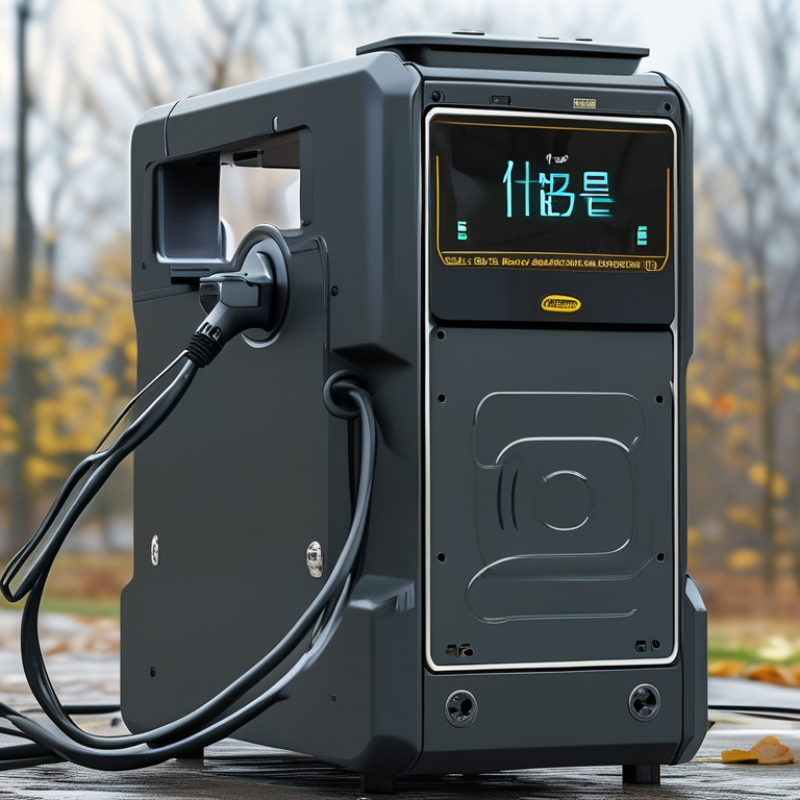
A portable electric vehicle (EV) charger is a versatile device designed to charge electric vehicles away from dedicated charging stations. Its compact design allows users to keep the charger in their vehicle, providing convenience on the go. This type of charger typically connects to standard power outlets and can deliver different levels of charging speed, depending on the amperage and voltage used.
According to a report by the International Energy Agency, as of 2022, the global electric vehicle market witnessed a significant expansion, with over 10 million units sold annually. The rise in electric vehicle adoption underscores the need for accessible charging solutions. Portable chargers cater to this demand, especially for EV owners who may not have a home charging setup. Studies show that nearly 30% of EV users rely on public or portable charging solutions as their primary means of charging.
While portable chargers are convenient, they have limitations. Charging times can be considerably longer compared to dedicated fast chargers. Users may find themselves in situations where they cannot find an available outlet. Furthermore, different EV models have varying charging compatibility, which can pose challenges for some users. These factors highlight the importance of considering individual needs when choosing a portable charger.
Key Components of Portable Electric Vehicle Chargers
Portable electric vehicle chargers are essential for EV owners seeking flexibility. These chargers allow users to recharge their vehicles anywhere with access to a standard electrical outlet. The key components of these chargers include the charging cable, plug type, and control mechanism. Each plays a vital role in ensuring safety and efficiency during the charging process.
The charging cable is typically made from high-quality, durable material that withstands outdoor conditions. It connects the vehicle to the power source. A study by the International Energy Agency reported that over 60% of new electric vehicle sales in 2021 were made in areas with increased accessibility to charging stations. This statistic underscores the importance of portable chargers in reducing range anxiety for users.
Plug types vary based on regional standards and vehicle compatibility. Many portable chargers come equipped with smart control mechanisms. These can adjust the charging speed and monitor battery health. However, not all models are created equal. Some lack features that could enhance safety, such as overcurrent protection. It's essential for users to evaluate their options carefully, considering both functionality and reliability.
How Portable EV Chargers Function: A Step-by-Step Overview
Portable electric vehicle (EV) chargers have gained traction as more drivers embrace electric mobility. These chargers offer convenience by enabling users to charge their vehicles on the go. Understanding how they function is essential for maximizing their benefits.
A portable EV charger typically plugs into a standard electrical outlet or specialized charging station. Users connect the charger to their vehicle via the charging cable. The charger converts alternating current (AC) from the outlet into direct current (DC) suitable for the vehicle’s battery. This conversion process is crucial as it ensures compatibility with various electric vehicle models. According to industry reports, the global portable EV charger market is expected to grow at a CAGR of 25% through 2028. This suggests a rising need for accessible charging solutions.
When using portable chargers, consider these practical tips: Always check the charger’s compatibility with your vehicle's make and model. Charging speeds can vary, so having a backup plan is wise if you’re in a hurry. Investing in a weather-resistant charger can prevent damage over time, especially for outdoor use. Remember, not all outlets deliver the same power, and using a lower power outlet can slow down charging significantly. Aim for a faster charging experience by choosing a dedicated circuit when possible.
Types of Portable Electric Vehicle Chargers Available on the Market
Portable electric vehicle (EV) chargers have gained popularity in recent years as more consumers adopt EVs. These chargers provide flexibility, enabling users to charge their vehicles anywhere, anytime. According to the International Energy Agency, as of 2022, the global electric vehicle stock reached 16.5 million, highlighting the need for efficient charging solutions.
There are several types of portable chargers available on the market today. Level 1 chargers are the most basic and utilize a standard 120V outlet. This type can take up to 24 hours to fully charge a battery, making it less ideal for those in a hurry. On the other hand, Level 2 chargers operate at 240V and charge vehicles significantly faster, often in a few hours.
Another emerging option is the DC fast charger, which can replenish an EV's battery to 80% in under an hour. However, these chargers can be costly and typically found in public charging stations. According to a report by BloombergNEF, demand for home and portable charging solutions is expected to rise by 40% over the next five years. This trend reflects the shift towards a more sustainable society and the need for accessible charging infrastructure. Even amidst this growth, users should remain aware of potential compatibility issues between different types of chargers and vehicles.
Benefits and Limitations of Using a Portable Electric Vehicle Charger
Portable electric vehicle (EV) chargers offer a convenient way to charge on the go. However, they come with both benefits and limitations. According to the latest industry reports, the global EV charging infrastructure is expected to grow significantly. By 2025, it's projected that over 1.5 million public charging points will be established worldwide. This growth highlights the increasing need for portable solutions.
These chargers are versatile for various scenarios. They allow EV owners to charge their vehicles from standard household outlets or while traveling. This is crucial in areas lacking charging infrastructure. However, charging speeds vary. A level 1 portable charger may take up to 20 hours to fully charge a vehicle. Conversely, a level 2 charger can reduce this time to around 4-8 hours, but still may lag behind dedicated charging stations.
Despite their strengths, limitations exist. Portability often means compromise on power output. Some users find their batteries draining faster than anticipated. A study suggests that 30% of EV owners feel anxious about finding charging facilities during long trips. The development of portable chargers should address these nuances. Integrating faster charging capabilities could significantly enhance user experience, yet it also raises concerns, such as proper heat management and battery longevity.


 Phone
Phone Send Email
 whatsapp
 Facebook
 Youtube