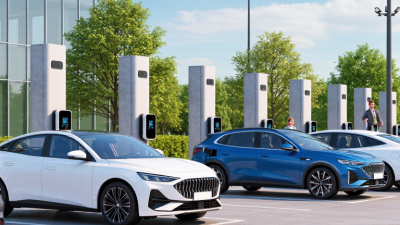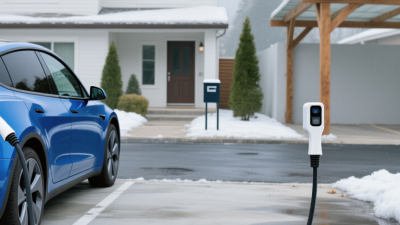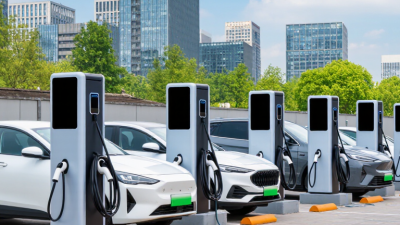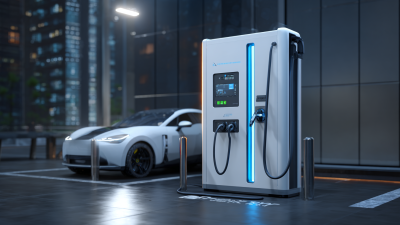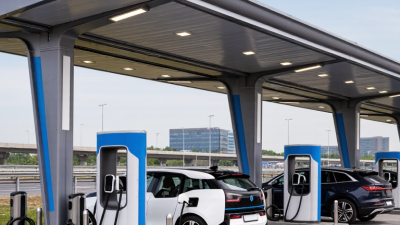
Public charging is expanding quickly, but choosing a site is not as simple as comparing power ratings. The International Energy Agency’s Global EV Outlook 2024 reports that public charging points worldwide grew by 40% in 2023. Fast chargers grew by 55%, outpacing slower public chargers. That growth makes location, reliability, and capacity planning more important for operators and drivers alike. A DC Fast Charger station must serve real travel patterns, not just look impressive on a specification sheet.
The right choice starts with practical questions. Can the site handle peak demand? Are chargers compatible with the vehicles customers actually drive? Will drivers find clear signs, safe access, and useful amenities nearby? Power output matters, but so do uptime, payment options, maintenance support, and the cost of connecting to the electrical grid. A neat power rating can still mislead. A charger rated for high output may deliver less when several vehicles share capacity, or when a vehicle cannot accept that rate. Details matter.
This guide presents ten factors for evaluating a DC Fast Charger station, from charging speed and connector compatibility to installation needs and long-term service. The advice draws on industry reporting and practical site considerations, but no checklist fits every location. Honestly, that is the part buyers can underestimate. A highway stop, urban hub, and fleet depot have different demands. Careful comparison can help you choose equipment that works reliably where it is installed—not merely on paper.
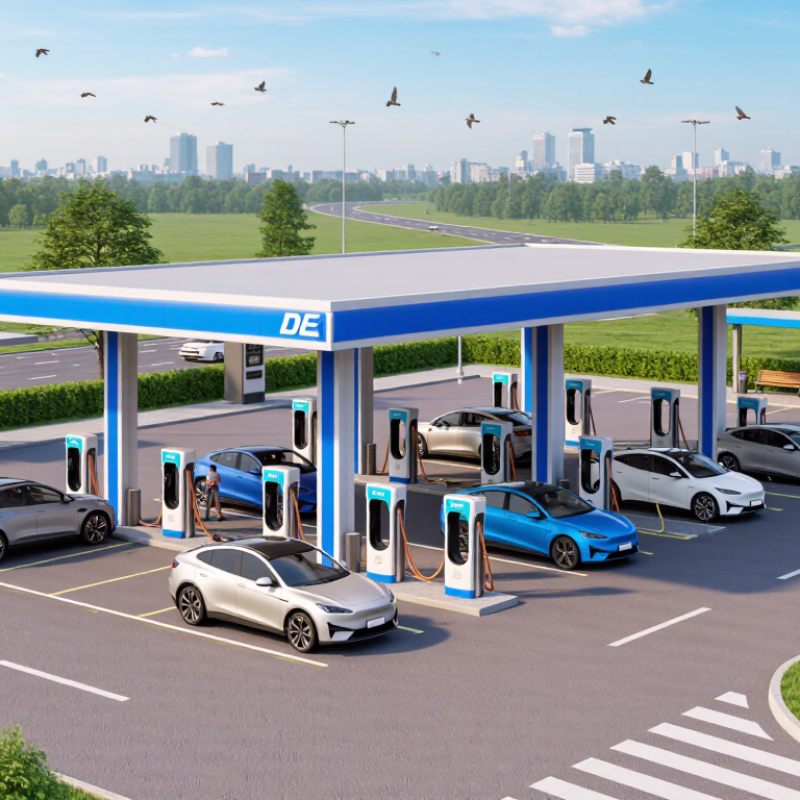
Before selecting a DC fast charger station, map who will use it and when. Count likely EV arrivals by hour, not just total daily traffic. A highway stop with short visits needs different capacity from a depot where vehicles return at predictable times. Record typical dwell time, vehicle types, and expected energy per visit. Check whether drivers need quick top-ups or near-full charging; battery size and vehicle charging limits affect session length. Small details matter. A queue at 5 p.m. can reveal more than a quiet midday survey.
Use credible local evidence where possible, then test your assumptions. The International Energy Agency’s Global EV Outlook 2024 reports that public charging points exceeded four million worldwide in 2023, while fast-charging points grew by 55% to about 1.2 million. That growth signals a changing market, not guaranteed demand at your site. Compare local EV registrations, nearby charger occupancy, traffic patterns, and planned fleet routes. Estimate peak simultaneous sessions, not only average daily use. Still, forecasts can miss seasonal travel and uneven adoption. Build in room to revise the plan, and revisit usage data after opening. A spreadsheet can look precise; the inputs may not be.
Choosing a DC fast charger means looking beyond the largest number on its screen. A station rated at 150 kW cannot make every vehicle charge at that rate. Your car’s maximum DC input, battery temperature, and state of charge all affect charging speed. The charging curve often slows as the battery fills. Peak power is not the whole story.
Tip: Compare the station’s rated output with your vehicle’s accepted power. If your car supports up to 100 kW, a 350 kW unit may not save much time. Check whether the site shares power between two connected vehicles. That detail can change the experience during a busy stop. Small print matters.
Tip: Confirm the connector matches your vehicle’s inlet and charging standard. Check the station listing and your owner’s manual before setting out. An adapter may not support every charging speed, even if it fits. Look for clear cable labels, too; heavy cables can be awkward to position. Try it once. I have seen a connector fit, yet deliver less power than expected because the vehicle was cold. A quick check of compatibility, output, and charging conditions helps set realistic expectations.
Tip: Match the connector and charging standard to your vehicle’s specifications. Check the owner’s manual, not just a station listing. Your car may accept a compatible plug but charge below the station’s maximum rate. Battery temperature and charge level can also affect speed. A high-power label is not a promise of a fast stop.
Tip: Check whether the station is genuinely accessible for your trip. Look for entrance hours, parking restrictions, stall layout, and cable reach. A charger behind a locked gate is no use after closing. If you need extra room to park or move around, review recent photos or call the site operator. Maps can be outdated; I would not treat one listing as certainty.
Tip: Keep a nearby backup station in mind. Check live availability shortly before arrival, then confirm the charger’s status on site. Note the exit route and any fees or time limits. A small detour may be easier than waiting in a crowded lot. My own planning can still miss details, especially during construction, so leave some flexibility in your schedule.
| Tip | What to Check | Why It Matters | Practical Check |
|---|---|---|---|
| 1. Confirm connector compatibility | Match the station connector to your vehicle’s DC charging inlet. Connector standards vary by region and vehicle; examples include CCS1, CCS2, CHAdeMO, and SAE J3400. | A plug that does not fit cannot charge the vehicle unless a suitable, vehicle-approved adapter is available. | Check the vehicle manual and station listing for the connector type. Confirm adapter compatibility before relying on one. |
| 2. Check the vehicle’s maximum DC charging rate | Find the vehicle’s maximum DC charging power in its manual or official specifications, and compare it with the charger’s output. | A vehicle generally cannot draw more power than its charging system allows, so a higher-rated charger may not make charging faster. | Use the vehicle’s stated maximum DC rate as a comparison point, not as a guaranteed charging speed. |
| 3. Look for power sharing | Check whether a charger cabinet or paired stalls divide available power among vehicles charging at the same time. | Shared output can reduce the power available to an individual vehicle when another vehicle is connected. | Review station instructions or the network’s live station details for power-sharing information. |
| 4. Consider the vehicle’s charging curve | Charging power can change as the battery fills; many vehicles reduce power at higher states of charge. | A charger’s peak rating does not mean the vehicle will receive that power throughout the session. | Compare typical charging information for your vehicle and plan around the useful portion of the charging session. |
| 5. Check battery and weather conditions | Battery temperature and state of charge can affect charging speed. Cold or very warm conditions may limit power. | The same station can deliver different charging speeds depending on the vehicle’s battery conditions. | Use the vehicle’s battery preconditioning feature when available, and allow extra time in extreme temperatures. |
| 6. Verify live availability | Check whether stalls are shown as available, occupied, out of service, or reporting an error. | A listed station may not have an operational stall available when you arrive. | Check live status shortly before arrival and identify a nearby alternative where possible. |
| 7. Review access hours and entry rules | Confirm whether the site is open around the clock or located behind a gate, inside a facility, or in a lot with restricted hours. | A charger may be operational but inaccessible outside the property’s opening hours. | Check site access instructions, parking rules, and any entry restrictions before setting your route. |
| 8. Assess physical accessibility | Look for accessible parking, step-free routes, adequate maneuvering space, reachable controls, and cables that can reach the vehicle inlet. | Stall layout and equipment placement can affect whether a driver can use the charger comfortably and safely. | Review site photos or accessibility details. In the United States, check whether the site identifies spaces designed to meet applicable accessibility requirements. |
| 9. Check payment and activation options | Find out whether the station supports contactless payment, an app, a charging card, or another activation method. | Payment and account requirements can affect whether you can start a session, especially where mobile reception is weak. | Check accepted payment methods in advance and keep an alternative activation option available if possible. |
| 10. Compare location and nearby services | Consider distance from your route, safe access, lighting, restrooms, food, and places to wait during charging. | A convenient, comfortable stop can make charging easier, particularly on longer journeys or when a session takes more time than expected. | Check the site location and available amenities, and choose a stop that fits your route and needs. |
A fast charger is only useful when it is where drivers need it. Check distance from highways, workplaces, and busy destinations, then look at access after dark. A site beside a well-lit entrance, with clear signs and room to queue, can be more practical than a cheaper unit tucked behind a building. Distance matters. The IEA’s Global EV Outlook 2024 reported that public charging points grew by 40% worldwide in 2023, while fast chargers grew by 55%. That expansion makes local competition and coverage worth checking, not just the number of plugs on a map.
Reliability needs evidence. Ask for uptime records, repair response times, and a way to report faults on site. The 2024 JD Power U.S. Electric Vehicle Experience Public Charging Study found that 19% of public charging visits ended without a charge. A station can look new and still leave drivers stranded. Check whether the operator monitors equipment remotely and keeps spare parts nearby. Those details are easy to overlook.
Network features matter during a real stop. Confirm that drivers can see live connector status, prices, and charging speed before arrival. Test the payment process and mobile signal at the actual site; a smooth app demo does not prove much. I would also revisit the location at peak hours. One visit may miss a queue, a blocked bay, or poor lighting. That is not a perfect test, but it is a useful one.
Evaluate location, reliability, and network features with this 10-point checklist.
Award one point for each item you verify: convenient location, safe access, compatible connectors, suitable charging power, dependable uptime, live availability, transparent pricing, easy payment, useful route planning, and responsive support. A higher checklist score means more selection criteria have been confirmed; it is not a performance rating of any specific station.
Installation is often the budget trap. A charger’s purchase price may exclude trenching, concrete pads, switchgear, permits, and transformer upgrades. NREL’s 2019 cost study found wide variation in non-residential charger installation costs, with site conditions and electrical work shaping the final bill. Ask bidders to separate equipment, utility work, construction, and commissioning. A paved lot beside an undersized transformer can cost more than expected.
Tip: Request a site-specific quote, not a per-unit estimate. Confirm who pays for utility upgrades and whether the quote includes networking setup. Leave a contingency; even a careful survey can miss buried obstacles.
Then compare the full operating price. Include electricity, demand charges, payment fees, software, inspections, and repairs. The International Energy Agency reported that public fast-charging points grew 55% worldwide in 2023, reflecting a rapidly expanding network and greater need for dependable service. Ask providers for response times, replacement-part availability, uptime reporting, and clear warranty terms. Check whether support covers nights and weekends. A low service fee is less reassuring if a broken connector stays out of use for days. Pricing assumptions also deserve a second look: traffic forecasts can be optimistic, and actual utilization may take time to grow.