How to Choose the Best DC Fast Charger Station in 2026
Choosing a DC Fast Charger station in 2026 is not just a matter of picking the highest advertised kilowatt rating. A site with powerful equipment can still disappoint if vehicles cannot use its connectors, the grid connection limits output, or repairs take days. Look closely at charging curves, simultaneous power sharing, payment options, warranty terms, and remote monitoring. Ask for uptime records, not only a brochure promise. Small details matter.
EV market analyst Loren McDonald has repeatedly emphasized that charging infrastructure must work reliably for drivers in real-world conditions. A useful paraphrase of that principle is: “Peak power matters less when drivers cannot count on a working charger.” Treat this as practical guidance, not a verbatim quotation. Before choosing a supplier, request references from operators with similar traffic, climate, and site constraints.
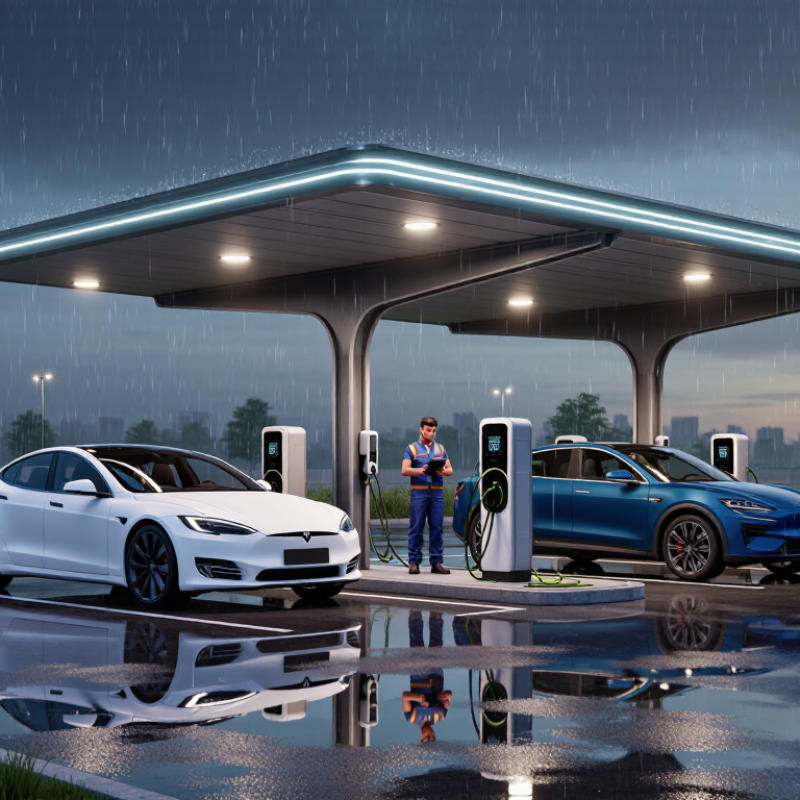
Picture a rainy evening, a low battery, and two vehicles sharing a station. Can each driver start charging easily? Does the charger sustain useful power as batteries warm or fill? Can local technicians resolve faults quickly? Those answers reveal more than a headline specification. Compare installation requirements, expected energy demand, service response times, and expansion options. Review the assumptions behind each cost estimate.
No station is perfect. Even a careful evaluation can miss local operating realities, especially during a new site’s first months. Track performance after launch and adjust. That is part of choosing well. This guide explains how to compare equipment, suppliers, and long-term operating needs, so buyers can make a grounded decision rather than chase impressive numbers alone.
Define the Use Case: 50 kW+ DC Charging, Fleet Demand, and Daily Throughput
A 50 kW-plus DC charger suits drivers who need meaningful range during a short stop, but the rating alone does not define a good fit.
Check the vehicles’ maximum DC charging rates and typical arrival battery levels. A car limited to 70 kW will not use a 150 kW charger at full power. Charging speed also tapers as the battery fills. That matters.
For a fleet, map real demand by shift: how many vehicles return together, how long they stay, and when they must leave. A delivery van parked for 30 minutes has different needs from a vehicle waiting overnight. Estimate energy use from logged routes, not just the number of vehicles. Then assess whether several chargers can share available site power without slowing departures. Grid capacity can be the constraint, even when the chargers look sufficient on paper.
Daily throughput means energy delivered across the full operating day, not a charger’s peak output. Record arrival times, session lengths, and kilowatt-hours delivered during busy periods. A charger that handles one vehicle quickly may serve fewer vehicles than expected if queues form at shift change. Walk the site, too: cable reach, turning space, weather exposure, and parking patterns affect daily use. Some estimates will be wrong. Recheck them against a few weeks of operating data before fixing the final equipment mix.
Match Charger Output to Vehicle Curves: 150–350 kW and 400/800 V
A station’s headline rating is only part of the decision. A 350 kW dispenser cannot make every vehicle charge at 350 kW. Most batteries accept peak power only within a certain state-of-charge and temperature range, then taper as they fill. Check the vehicle’s charging curve, not just its maximum figure. Real charging sessions vary.
For a 150 kW vehicle, a 350 kW unit may offer little time savings unless the site serves other vehicles with higher charging limits. Voltage matters too. Many vehicles use 400 V systems; newer models may use 800 V. At the same power, higher voltage generally means lower current, but the charger must support the vehicle’s voltage range. Verify output voltage and cable current ratings in the equipment specifications. Do not assume every 800 V station will deliver its full rating to every 400 V car.
Consider a vehicle arriving at 15% charge on a cold morning. Its battery may initially accept less power, even beside a high-output charger. Shared power between stalls can also reduce the available output. Compare expected charging curves with actual site conditions, including typical arrival charge and simultaneous use. One assumption can still be wrong: published peak rates may not reflect daily use. That deserves a second look.
Check Connector Fit: CCS and NACS Compatibility in the 2026 Market
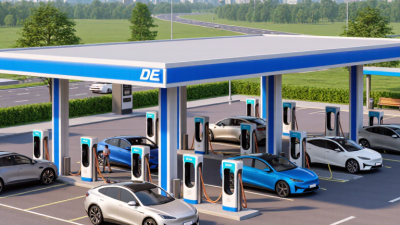
In 2026, choosing a DC fast charger means checking more than its peak kilowatt rating. Connector fit matters at the curb, especially as CCS and NACS equipment coexist across many North American routes. Confirm your vehicle’s inlet type, not just the connector shown in an app. A cable can look compatible and still require an approved adapter or a different charging site.
Verify the station’s listed connector and adapter policy before you leave. Some sites offer both connector types; others provide one, and availability can change as networks upgrade. Your vehicle may also need a software update or settings adjustment to start a session. Fit is not enough. Check charging speed too: your car’s maximum DC rate, battery temperature, and state of charge all affect power. A high-rated unit cannot force a car to charge faster. It is easy to focus on plug shape and overlook a blocked stall or short cable reach.
Tips: Save two nearby stations with the connector your car supports, then check live status before departure. If using an adapter, confirm it is approved for your vehicle and the specific fast-charging service. Keep a backup option. Small details matter.
How to Choose the Best DC Fast Charger Station in 2026
Direct connector fit: CCS1 and NACS (SAE J3400)
A direct fit means the vehicle inlet and charger plug use the same connector type. A mismatched pair does not connect directly; an approved adapter may work only when supported by both the vehicle and charger. Check compatibility before charging.
Assess Site Readiness: Utility Capacity and NEVI’s 97% Uptime Requirement
Before choosing a DC fast-charging site, request a written load assessment from the serving utility. Confirm three-phase service, transformer headroom, feeder limits, and upgrade timelines—not merely the distance to power lines. NREL’s 2023 National Charging Network analysis estimated that the United States could need about 182,000 public DC fast-charging ports by 2030. That scale makes early interconnection planning essential. Distance is not capacity.
NEVI requires each charging port to meet a 97% uptime standard. A site with weak utility service can struggle to meet it, especially when equipment faults or peak demand limit charging. Ask the utility about redundancy and planned outages, then check whether the design allows technicians to isolate one faulty dispenser without disabling others. A spreadsheet can still miss a transformer already committed to another project, so confirm assumptions directly with utility engineers.
Tips: Get written confirmation of service capacity and upgrade dates before signing a site agreement. Include network monitoring, maintenance access, and spare-part plans in the operating design. Record the uptime calculation method and review port-level performance monthly.
Compare Lifecycle Costs: Energy, Maintenance, OCPP 2.0.1, and ISO 15118
A DC fast charger’s purchase price is only the beginning. Compare energy costs over its expected service life, using local electricity rates and realistic charging demand. A station that runs near capacity may spread fixed costs across many charging sessions. A quieter site may not. Check peak demand charges, too. A few high-power sessions during an expensive evening period can change the calculation. Measure energy delivered at the vehicle, not just energy drawn from the grid. Conversion losses matter. Small differences compound.
Maintenance deserves the same scrutiny. Ask for service intervals, spare-part availability, remote diagnostics, and expected repair times. Inspect practical wear points: connector cables, cooling fans, filters, and screens. OCPP 2.0.1 can support richer device management and smart charging, but actual features depend on the charger and backend implementation. Test them together before committing. ISO 15118 can enable features such as Plug & Charge when the vehicle, charger, and payment setup support them. Do not assume compatibility from a checklist alone. Try it with vehicles in your intended fleet. No forecast gets every winter right, so leave room for changing utilization, energy prices, and maintenance needs.


 Phone
 Send Email
 whatsapp
 Facebook
 Youtube