Leave Your Message

How to Choose a Solar Powered EV Charging Station?

Choosing a Solar Powered Ev Charging Station is not just a matter of picking the highest charging speed. The right system should match your vehicle, daily driving distance, available roof or ground space, and local sunlight. A home charger used for a 30-mile commute has different needs from a workplace station serving several cars.

International Energy Agency Executive Director Fatih Birol has described solar as “the new king of electricity markets around the world.” That wider energy shift makes solar charging worth considering, but the details matter. A station’s real-world performance depends on panel output, charger capacity, battery storage, and whether the vehicle can charge when sunlight is available. A sunny afternoon helps. A shaded carport, winter weather, or evening charging can change the picture.

Look closely at the equipment. Check connector compatibility, weather protection, monitoring features, and the installer’s experience with both solar and EV systems. Ask for an estimate based on your actual energy use, not an idealized sunny day. If you plan to add a second vehicle later, leave room for expansion.

The numbers can surprise you. A larger battery is not always the better choice, and a tidy payback estimate may overlook cloudy weeks or changing routines. That deserves a second look. This guide explains the key choices, practical trade-offs, and questions to ask before investing in a Solar Powered Ev Charging Station.
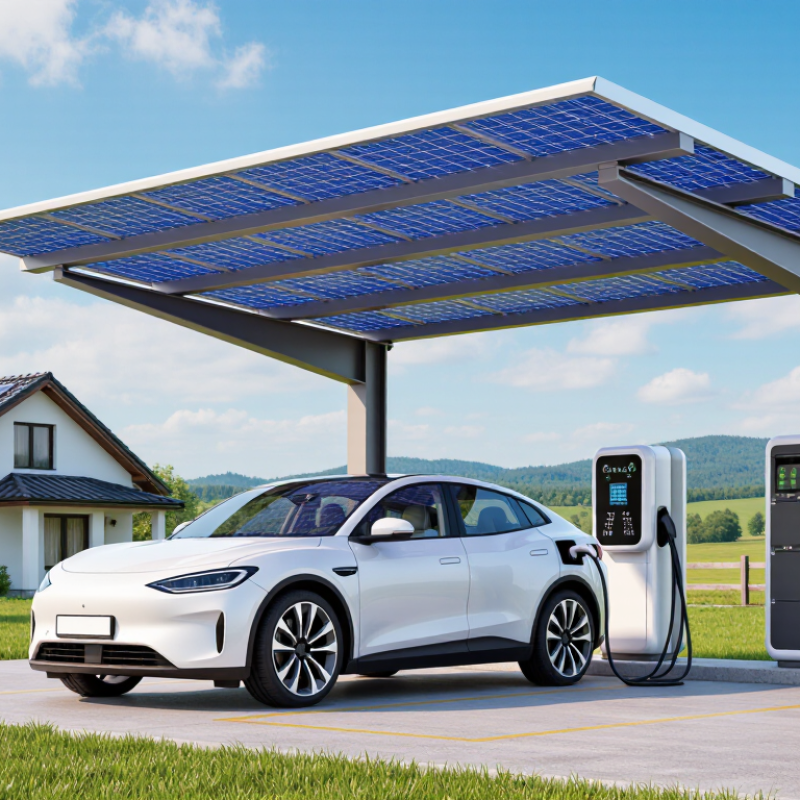
How to Choose a Solar Powered EV Charging Station?

Assess Your EV Charging Needs and Available Solar Resources

How to Choose a Solar Powered EV Charging Station?

Assess Your EV Charging Needs and Available Solar Resources

Start by measuring your EV’s usual weekly driving and when it sits at home. Check its energy consumption, often listed in kilowatt-hours per 100 miles, and estimate the charging energy your typical week requires. Small details matter. A car parked at home during sunny hours can use solar power more directly than one plugged in late at night. Note your charging schedule, too.

Next, review your solar resource across the year, not just on a bright afternoon. Roof direction, nearby trees, seasonal shade, and local weather all affect production. Cloudy weeks happen. Compare estimated solar output with your EV’s charging demand, while allowing for household use that draws from the same system. It is tempting to size everything around the sunniest month; that can make the numbers look better than everyday reality. If your solar output rarely matches your charging hours, ask a qualified installer about system capacity, charger settings, and whether storage makes practical sense for your usage. Estimates are useful, but real production and driving habits may differ.
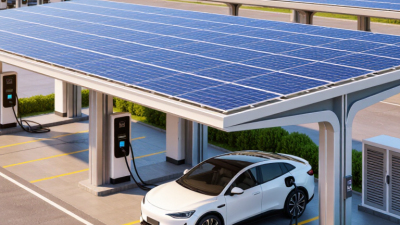
Choose a Solar Charging System Configuration

How to Choose a Solar Powered EV Charging Station?
Choose a Solar Charging System Configuration

Choose the configuration around when your car is parked and when sunlight is available. A grid-connected system with smart charging can send surplus rooftop solar to the vehicle, then draw from the grid when clouds pass. This avoids sizing panels for every worst-case day. The IEA’s Global EV Outlook 2024 reported nearly 14 million electric car sales in 2023, about 18% of global car sales. Charging demand is no longer a niche planning detail.

Direct solar charging can work for daytime charging, but output rises and falls with weather. A hybrid system adds grid support and lets the charger follow household solar production. For example, if a car sits in the driveway from 9 a.m. to 3 p.m., daytime charging may use more solar than an evening-only schedule. Check roof shade, panel orientation, charger power, and the home’s existing electrical load. NREL’s PVWatts tool estimates solar production using location and system details; use it to compare realistic designs, not as a guarantee.

Add a battery only when its use case is clear, such as regular evening charging or backup needs. Battery capacity, conversion losses, and cost can change the economics. Bigger is not automatically better. Review at least a year of utility bills and typical driving distance, then model seasonal output. One weak point in many plans is assuming annual solar generation will match charging needs hour by hour. It often will not.

Compare Chargers, Solar Panels, and Energy Storage

Compare the charger, solar array, and battery as one system, not as separate purchases. Check the EV’s maximum AC charging rate and the station’s output. A higher-rated charger cannot make a car accept power faster. Then compare that demand with your midday solar surplus. For example, a 7 kW charger may draw more than a small rooftop array produces on a cloudy afternoon. Some systems reduce charging power when sunlight falls, limiting grid use. Verify how smoothly that control works, not just whether it appears on a specification sheet.

Solar panels produce energy during the day, while an EV may be parked at home only in the evening. A home battery can shift some solar energy into later charging, but it adds cost and loses energy during storage. Compare usable capacity, continuous output, and round-trip efficiency—not just headline capacity. Also consider whether the battery must serve household loads during an outage. Real use is messy. Seasonal shade, cold weather, and changing driving schedules can weaken neat payback estimates. Treat them as estimates, not promises.

Tips: Collect a month of electricity data and note your usual plug-in hours. Ask for an estimate based on your roof direction and local weather. Leave room for future needs, but do not buy storage just because it sounds independent.

How to Choose a Solar-Powered EV Charging Station?

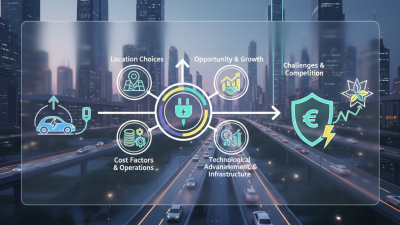
Compare estimated daily solar production with EV charging needs and usable battery storage.

Illustrative planning scenario, not a universal system specification: a 7.2 kW Level 2 charger running for 4 hours delivers 28.8 kWh; a 6 kW solar array at 4 peak sun hours with 80% system efficiency produces about 19.2 kWh; and a battery provides 10 kWh of usable storage. Actual results depend on driving needs, local sunlight, system losses, and battery settings. Match the charger, solar array, and storage to your daily energy use.

Check Site Suitability, Installation, and Local Requirements

Begin with the parking space, not the equipment. Watch how shadows move across the roof or carport during the day. A nearby tree may block afternoon sun, even when the site looks bright at noon. Check the usable roof area, its condition, and the distance to the vehicle. Longer cable runs or underground trenching can add cost. Small details matter.

Estimate how much energy your vehicle needs and compare it with the solar system’s likely daily output. Output changes with season, weather, and shading. It may not cover every charge. An installer can assess the electrical panel, available capacity, and whether battery storage or grid connection makes sense. Ask for the assumptions behind the estimate. They are easy to overlook.

Before installation, check local permit rules, building restrictions, utility connection procedures, and any requirements for parking structures. These vary by location. Confirm who handles inspections and approvals before work begins. A qualified electrical professional should specify suitable wiring, protective devices, and weather-rated equipment. Keep access clear for maintenance and emergency shutoff. Plans can change. A site visit may reveal drainage, access, or structural issues that drawings missed.

Evaluate Costs, Performance, and Ongoing Maintenance

A solar-powered EV charging station should be judged by its full installed and operating cost, not panel price alone. Request itemized estimates for panels, inverter, charger, mounting, electrical work, and any battery storage. Costs can surprise. Batteries can raise upfront costs sharply, so compare that expense with your charging needs and local sunlight. A household driving 40 miles daily may need a different setup than a shared workplace serving several cars. Ask for expected seasonal output, charging speed, and backup behavior during cloudy periods. Check charger output against your vehicle’s onboard charging limit; extra capacity may bring little benefit. Solar production changes by hour.

Maintenance deserves equal attention. Dust, pollen, or fallen leaves can reduce panel output, especially on low-slope roofs. Budget for periodic cleaning, cable and connector inspections, and inverter or battery servicing. Follow equipment maintenance schedules and use qualified technicians for electrical checks. Track energy production monthly; a sudden dip can reveal shading, a loose connection, or equipment faults. One detail is easy to miss: service access. If the charger sits behind parked vehicles or snow piles, inspections may become slower and less consistent. Ask who handles repairs, how quickly parts are available, and whether remote monitoring has recurring fees. Estimates remain uncertain; weather and usage rarely match a neat spreadsheet.