China Top 10 DC Fast Charger Station Suppliers?
China has become a major source of electric vehicle charging equipment. Many suppliers now serve highways, commercial car parks, fleets, and residential developments. This guide introduces China’s top 10 DC fast charger station suppliers and explains how they differ.
The selection considers charging power, connector standards, software functions, safety controls, production capacity, and after-sales support. It also reviews practical details, such as installation guidance, spare-part access, warranty terms, and response times. A reliable supplier should provide clear test records and stable performance under repeated charging cycles. Field evidence matters. Product brochures alone cannot prove long-term reliability.
Some suppliers focus on compact 30 kW units for urban locations. Others produce 180 kW or higher systems for highway service areas. Compatibility may involve CCS, CHAdeMO, or GB/T requirements, depending on the target market. OCPP support can also simplify network management and remote monitoring. However, supplier rankings are not permanent. A company with strong export experience may still have limited local service coverage. Numbers can mislead.
This overview aims to help buyers compare manufacturers with greater confidence. It emphasizes documented experience, engineering capability, manufacturing quality, and customer support. Readers should verify certifications, factory claims, delivery records, and local compliance independently. Pricing deserves attention, but the cheapest offer may create higher maintenance costs later. That gap matters. Careful evaluation remains essential before selecting a DC Fast Charger station supplier for a real project.
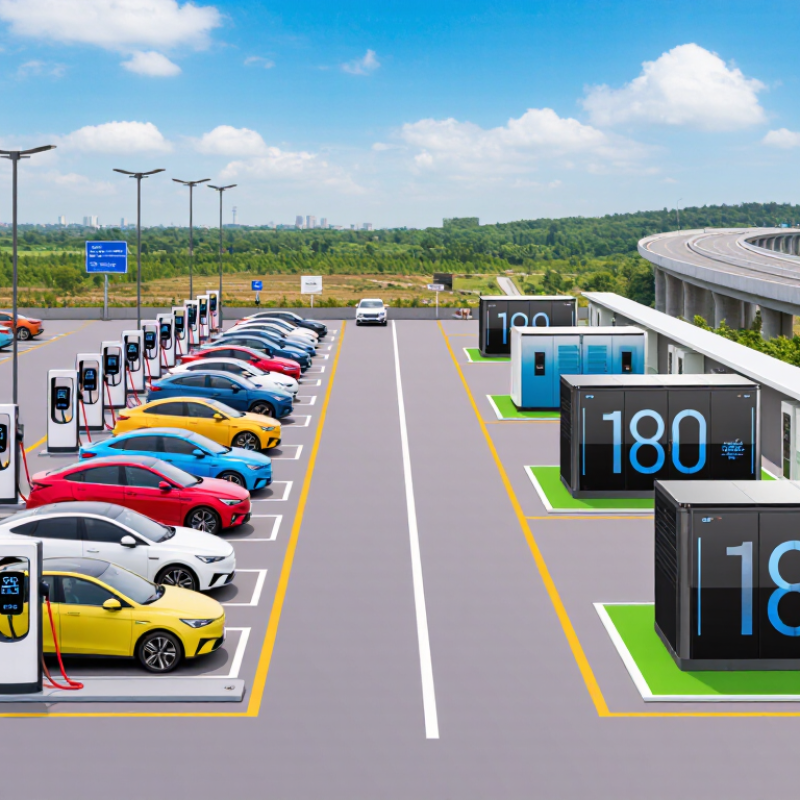
What Defines a Leading DC Fast Charger Station Supplier?
A leading DC fast charger station supplier is defined by more than a high-power nameplate.
The IEA’s Global EV Outlook 2024 reports nearly four million public charging points worldwide by the end of 2023. More than 1.3 million were added that year. This growth exposes weak equipment quickly. A supplier must provide stable output, accurate billing, and dependable remote monitoring.
Uptime matters most.
Field operators should examine charger availability, repair response, and spare-parts coverage. A 350 kW charger can still disappoint if its cooling system derates during a hot afternoon. Reliable suppliers publish test conditions, not only peak ratings. They also support open communication standards, cybersecurity updates, and payment integration. The U.S. Department of Energy’s National Renewable Energy Laboratory highlights interoperability and network reliability as key factors for public charging performance.
Installation quality deserves equal attention. Suppliers should offer load studies, cable-length guidance, and protection against water, dust, and temperature extremes. Certifications from recognized testing bodies add useful evidence. However, certification alone is not proof of field success. Operators should request multi-year failure data and service records.
That evidence is often missing. It should not be ignored.
Total cost also includes electricity losses, software fees, maintenance visits, and downtime. A slightly cheaper charger may become expensive beside a busy highway. Leading suppliers therefore combine engineering depth, transparent data, local technical support, and practical experience across different sites.
Market Overview of China’s DC Fast Charging Industry
China’s DC fast charging industry is expanding with unusual speed. The China Electric Vehicle Charging Infrastructure Promotion Alliance reported over 12.8 million charging facilities nationwide by the end of 2024. Public chargers represented roughly 3.6 million units, with DC equipment forming a growing share.
The International Energy Agency’s Global EV Outlook 2024 noted that China held about 60% of global public charging points in 2023. It also led fast-charging deployment, supported by dense highways and strong electric vehicle adoption. In busy urban stations, a vehicle may connect for 20 to 40 minutes. However, utilization remains uneven. Coastal cities often experience queues, while some inland sites operate below capacity. This gap deserves more attention.
Suppliers must therefore compete on more than rated power. Buyers should examine thermal management, connector durability, payment compatibility, remote diagnostics, and maintenance response time. China’s national standards provide a useful baseline, but field conditions still expose weaknesses. Rain, dust, winter temperatures, and unstable grid capacity can reduce practical performance. The market is advanced, yet not flawless.
Tips: Compare measured charging output with advertised power. Request failure-rate data, service records, and testing results from independent laboratories. Check whether a supplier can support software updates and spare parts for several years. Do not judge equipment by cabinet appearance alone. A quiet station is not always an efficient one.
Profiles of China’s Top 10 DC Fast Charger Suppliers
China’s top 10 DC fast charger suppliers show how quickly charging hardware is becoming more specialized. Their profiles differ by power range, installation setting, software support, and service coverage. Some focus on 30–60 kW units for urban parking areas. Others build 120–480 kW systems for highways, logistics yards, and electric bus depots.
Several suppliers emphasize modular power cabinets. This design can keep a station operating when one module needs maintenance. Others use liquid-cooled charging cables, which reduce heat during repeated high-power sessions. A few concentrate on compact wall-mounted units for commercial buildings. Their equipment often supports remote monitoring, load balancing, RFID access, and common communication protocols. These details matter more than impressive peak power alone.
Field selection requires practical checks. Engineers should inspect connector durability, cable reach, weather protection, and emergency-stop access. A supplier may advertise high efficiency, yet local grid limits can reduce actual output. Software quality also varies. A clear dashboard is useful, but unstable firmware can delay fleet operations. My review of these ten profiles would consider factory testing, certification records, warranty terms, spare-part availability, and response times. Some suppliers offer strong hardware but limited overseas service. That weakness is easy to overlook. Real projects need installation guidance, maintenance training, and reliable replacement parts after the launch ceremony ends.
China’s Public Charging Infrastructure: AC vs. DC Chargers
Number of publicly accessible charging points in China at the end of 2024
China had approximately 2.309 million public AC charging points and 1.275 million public DC charging points at the end of 2024. These market-wide figures provide context for the DC fast-charging supplier landscape; they are not a ranking of individual suppliers.
Source: China Electric Vehicle Charging Infrastructure Promotion Alliance (EVCIPA), December 2024 data. Figures are rounded to millions.
How to Choose the Right Chinese DC Fast Charger Supplier
Choosing among China’s leading DC fast-charger suppliers is less about brochure power ratings than proven site performance. The International Energy Agency’s Global EV Outlook 2024 reports that global public fast-charging points grew by 55% in 2023. That expansion makes uptime, compatibility, and maintenance support important purchasing criteria. Growth alone proves little.
Request independent test reports for rated output, connector temperature, protection functions, and performance under sustained load. Check whether the supplier can share references from sites with similar climates and grid conditions. Ask how quickly replacement modules and technical support can reach your location. A charger that delivers its advertised power for ten minutes may behave differently during a busy afternoon. Test it.
Compare total ownership costs, not just the equipment quote. Installation requirements, software fees, spare parts, and warranty exclusions can change the real price. Confirm the supplier’s communication protocols work with your charging management system, and document acceptance tests before shipment. A polished factory visit is useful, but it cannot replace field data. Some buyers overlook service details; they are easy to miss, and costly later.


 Phone
Phone Send Email
 whatsapp
 Facebook
 Youtube